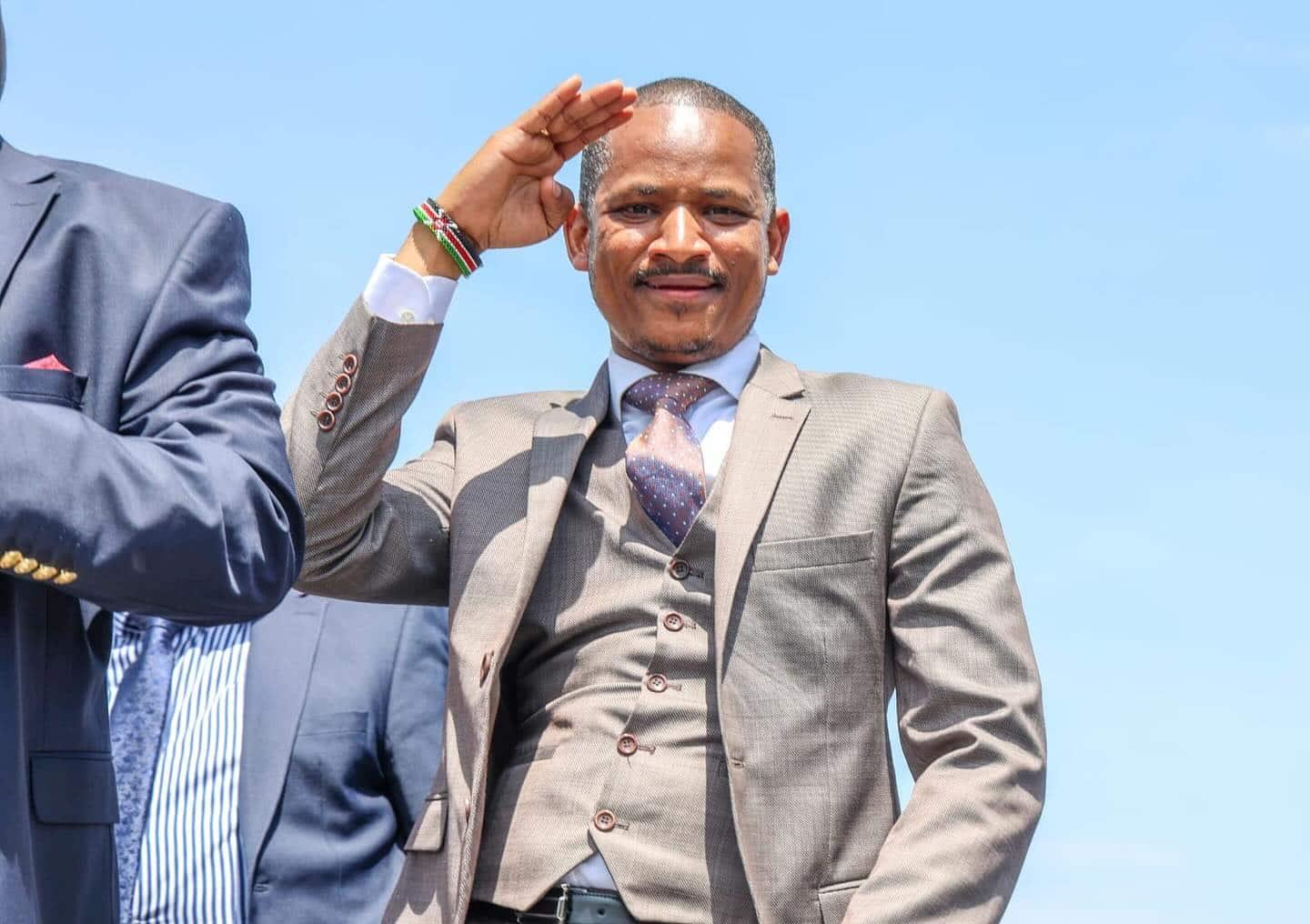
Africa-Press – Kenya. Embakasi East MP Babu Owino has declared himself the “king of protests”, claiming no protest has ever taken place in Nairobi without his involvement.
He described protests as a catalyst for change in Kenya’s politics and credited sustained pressure for shaping major reforms.
“Of course I am the king of maandamano. There is no protest that has happened here in Nairobi that I have not organised. This means I am always at the forefront of protests,” Babu said.
The MP said protests have historically played a critical role in challenging systems of oppression and pushing for political change in Kenya and globally.
Babu cited Kenya’s transition to multiparty democracy in the early 1990s as an example of reforms achieved through sustained public demonstrations and pressure from citizens and political activists.
He said the 2010 Constitution was enacted as a result of demonstrations.
According to him, protests have also influenced political outcomes in recent years, including the appointment of opposition figures to leadership positions.
“Protests drove colonisers away, multipartism was brought about through protests, and some of the ODM cabinet secretaries were put in office after we held protests,” he said.
Babu said that whenever they feel the government is not leading the country in the right direction, they will resort to demonstrations, which he described as a right that cannot be taken away from them.
Kenya has a long history of demonstrations, particularly during the struggle for political pluralism, when opposition leaders and civil society groups organised rallies to demand constitutional reforms.
These efforts eventually led to the repeal of Section 2A of the Constitution in 1991, restoring multiparty politics.
In recent years, protests have remained a key feature of Kenya’s political environment, with opposition leaders and activists organising demonstrations to raise concerns over governance, economic challenges, and public policy.
Babu says demonstrations provide citizens with a platform to express their views and hold leaders accountable, while critics have raised concerns over disruptions to business, transport, and daily activities, especially in major urban centres such as Nairobi.
Babu Owino, who is serving his second term as MP, has been among the leaders who regularly participate in protests and mobilise supporters.
His remarks come amid ongoing debate over the role and impact of protests in influencing political decisions and public policy in Kenya.