Africa-Press – Kenya. The Selection Panel for Appointment of Commissioners of the IEBC has embarked on a rigorous process of filling four vacant positions of commissioners at the electoral agency.
The Elizabeth Muli-chaired panel is keen to get candidates who will inspire public confidence in the country’s electoral system.
IEBC’s integrity was dented by the Supreme Court’s nullification of the August 8, 2017 presidential election results and Opposition’s boycott of the October 26, 2017 repeat polls.
The Opposition led by ODM leader Raila Odinga had demanded a new team of commissioners in order to participate in the repeat poll.
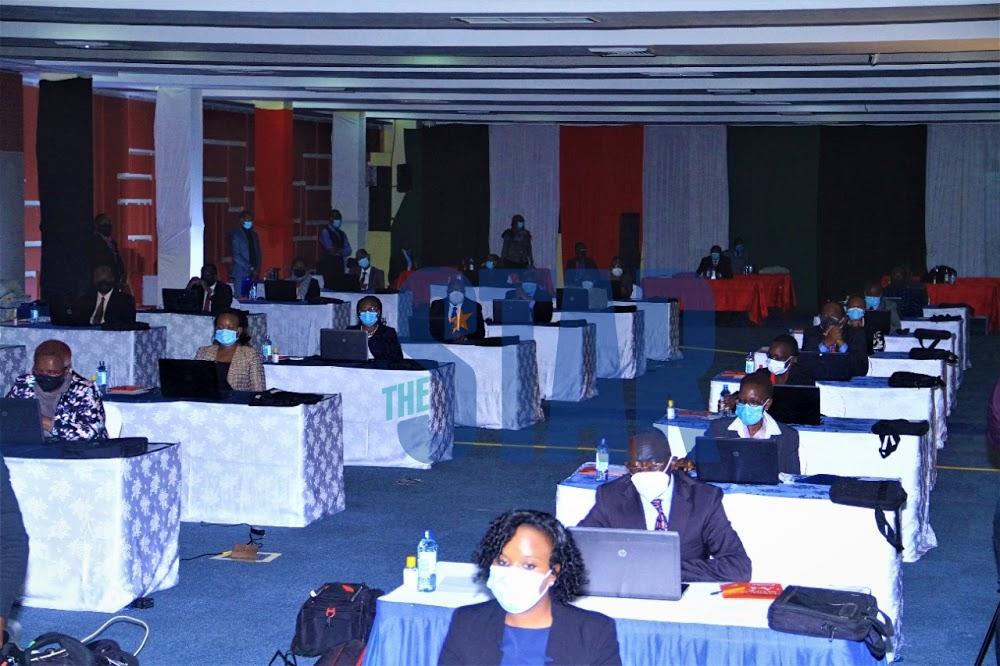
On Wednesday, all the 36 shortlisted applicants gathered at the Kenyatta International Convention Centre and undertook a psychometric test, which was followed by a case study.
The four positions were left vacant following the exit of Roselyne Akombe, Paul Kurgat, Connie Maina and Margaret Mwachanya after the 2017 General Election.
The 36 applicants were picked from a pool of over 600 Kenyans who had applied to fill positions left.
The psychometric test ran for two hours while the case study lasted one hour.
Psychometric assessment is a standardised, validated test that enables the measurement of aspects of an individual such as their ability, behavioural traits, interests and certain attitudes.
The tests have been used the world over as best practice in adding to the robustness of a selection process.
“The selection panel shall be using an assessment that evaluates cognitive skills of the individual, behavioural preferences and motivational interests. We shall also be assessing levels of emotional intelligence which is a key component of leadership,” Muli said before the start of the exercise.
With her were panelists James Achoka (vice-chairperson), Gideon Solonka, Elizabeth Odundo Meyo, Rev. Fr. Joseph Ngumbi Mutie, Faridun S. Abdalla and Morris Kimuli.
Muli noted that the psychometric assessments “are only a part of the selection process and not an end in themselves”.
“They provide information about a candidate that allows for a more objective and rich review process during the selection process,” she added.
All the applicants will proceed to the oral interviews which shall be held between July 7 and 22 earlier notified and published.
The interviews will be conducted in public in line with the First Schedule to the Independent Electoral and Boundaries Commission Act, 2011.
Those shortlisted include former National Police service Commissioner Abdalla Mohamed (Nairobi), former Judges and Magistrates Vetting Board vice-chairperson Roseline Doreen Adhiambo Odede (Siaya) and former Kenya National Commission on Human Rights (KNCHR) chairperson Kagwiria Mbogori (Meru).
Former KNCHR chairperson Florence Simbiri-Jaoko (Nairobi), Koki Muli and former NCIC commissioner Joseph Gitile Naituli (Meru) are also on the shortlist.
The Kriegler Report recommended that a functional electoral body be constituted at least a year before the election.
With barely 13 months to go, the window for picking the four commissioners is quickly closing.
The law requires that candidates for the positions of commissioner at the body be vetted by a multi-agency panel made up of representatives from Parliament, the Law Society of Kenya and religious organisations.
President Uhuru Kenyatta signed into law the Independent Electoral and Boundaries Commission (Amendment) Bill No. 3 of 2019 on October 28, 2020.
The amended IEBC law establishes a selection panel to oversee the filling up of vacant positions at the Commission and future appointments to the electoral agency.
Uhuru declared vacant the four positions on April 14, paving way for fresh appointments.
Three of the four commissioners resigned in 2018 saying they had no confidence in the IEBC chairman Wafula Chebukati.
Then vice chair, Nkatha, and Mwachanya and Kurgat said external players had encroached on the commission’s independence.
Akombe quit days to the repeat presidential poll citing threats to her life.
Their resignation meant that Chebukati was left with only two commissioners, Abdi Yakub Guliye and Boya Molu.