Africa-Press – Kenya. E-mobility stakeholders are urging the government to urgently champion standardised charging and battery-swapping infrastructure, warning that fragmented systems could slow Kenya’s fast-growing electric mobility sector despite rising adoption and supportive green policies.
The players pointed out that Kenya has emerged as a regional leader in electric motorcycle uptake, particularly among boda boda riders, but the lack of interoperability across charging and battery-swapping stations remains one of the biggest bottlenecks to scaling the sector nationwide.
Asset financing firm Watu Credit’s Commercial Manager Eric Tsui, told the Star that Kenya has made notable progress, with an estimated 5,000 electric motorcycles on the road in 2024 — a figure expected to double or triple this year.
He attributed the growth to lower operating costs, favourable government incentives, and improved financing models.
“Electric bikes save riders about 30 to 40 per cent on fuel compared to internal combustion engine bikes, and maintenance costs are significantly lower because there are fewer moving parts,” Tsui said. “That translates directly into more money in a rider’s pocket.”
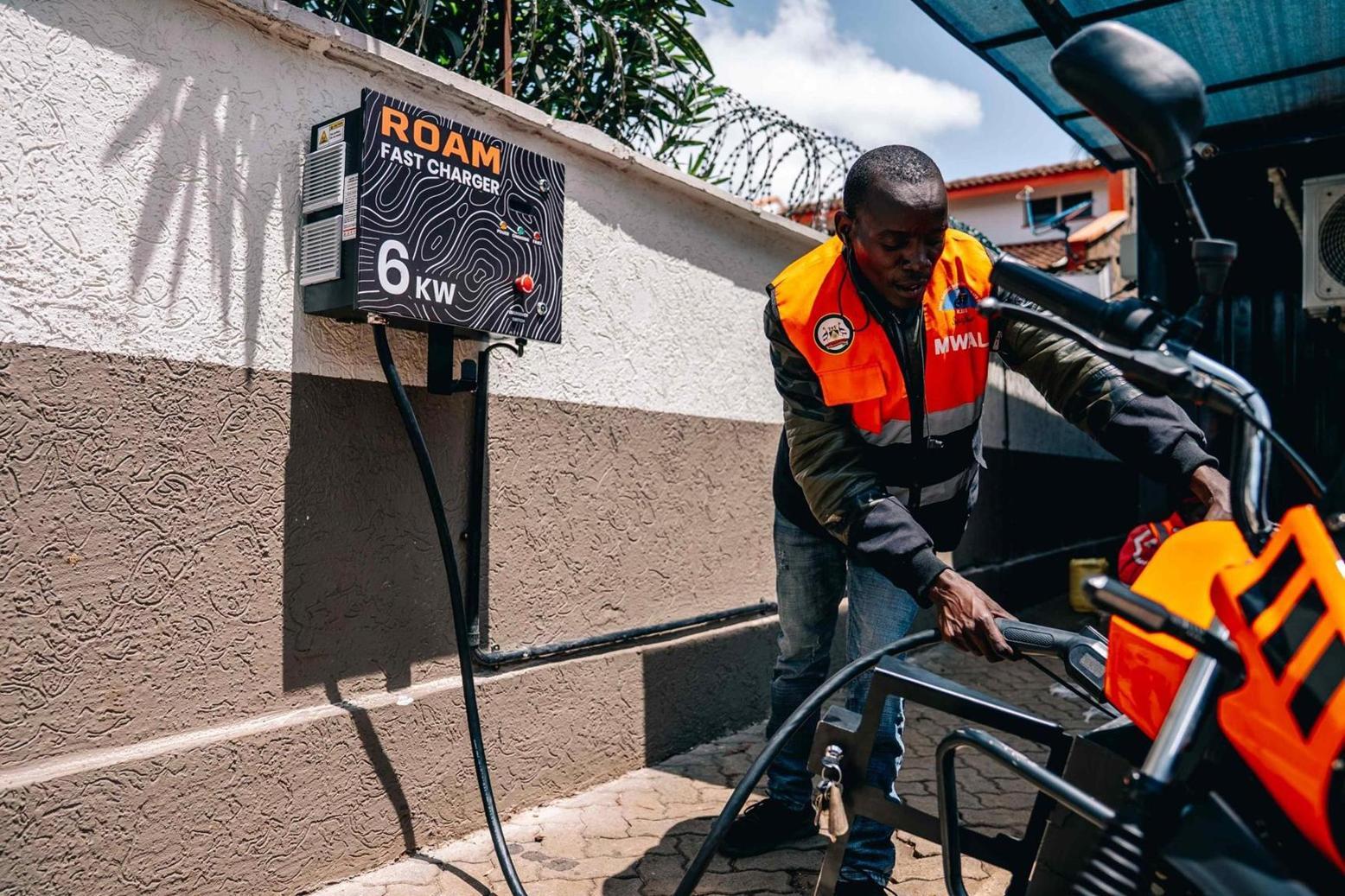
However, Tsui warned that the rapid expansion of charging and swapping stations by different companies risks creating a fragmented ecosystem unless standards are agreed upon.
“From a financing and consumer perspective, the worst-case scenario is having many swap stations that cannot serve all riders. We need interoperability so that batteries can be charged or swapped at any station, regardless of the operator,” he said.
Different battery sizes, connectors and software systems have continuously complicated infrastructure rollout.
“At the moment, every player has its own battery and charging requirements. Without standardisation, expansion becomes expensive and inefficient, and those costs eventually find their way to the rider,” he said.
Kenya currently benefits from duty and tax exemptions on electric motorcycles and batteries, as well as special electricity tariffs from Kenya Power to support electric vehicle charging.
The stakeholders argue that the next logical step is regulatory leadership to guide common charging and battery standards.
Tsui said a unified approach could dramatically expand usable infrastructure overnight.
“If you combine the swap networks of leading players, you are talking about more than 600 stations across the country. Interoperability would immediately improve rider confidence and accelerate adoption in towns beyond Nairobi and Mombasa,” he said.
The lack of standard charging infrastructure is also affecting uptake in smaller towns.
While companies such as Spiro and ArcRide have expanded to regions like Nakuru and western Kenya, growth remains uneven due to limited and incompatible charging networks.
Despite these challenges, Kenya’s largely green electricity mix and improving grid reliability give the country a competitive advantage.
ArcRide head of operations and projects at, Judith Otieng, noted that the firm is further reducing dependence on the grid by solarising its charging hubs, which store and charge batteries using renewable energy during the day.
“Solarisation lowers long-term energy costs and supports sustainability, but the upfront investment is high. That’s why policy support is critical — we want to avoid passing extra costs to riders,” Judith said
Stakeholders also highlighted battery-as-a-service models as both an environmental and economic solution. Under this model, companies retain ownership of batteries, monitor their performance through digital systems, and manage recycling and second-life use, reducing pollution risks.
“Every electric bike saves about two tonnes of carbon emissions per year,” Tsui said. “But proper battery management is essential to ensure we don’t create a new environmental problem in the future.”
Beyond environmental benefits, the sector is already creating jobs. ArcRide alone has more than 3,000 electric bikes on the road, supporting thousands of riders, mechanics, technicians and dealers.