What You Need to Know
As Kenya approaches the June budget, experts indicate that no major tax increases are expected despite rising public debt. Policymakers are likely to prioritize politically safe fiscal choices to attract voters ahead of the 2027 General Election. The government aims to enhance revenue collection through administrative measures rather than introducing new taxes, reflecting a cautious approach to an
Africa-Press – Kenya. Kenyans could be spared extra tax burdens in the June budget despite mounting public debt, with experts saying policy makers hope to ride on the Finance Bill to attract votes for 2027.
Tax experts point out that as policymakers lean toward politically safer fiscal choices ahead of the 2027 General Election, going slow on taxes will rank among the cards.
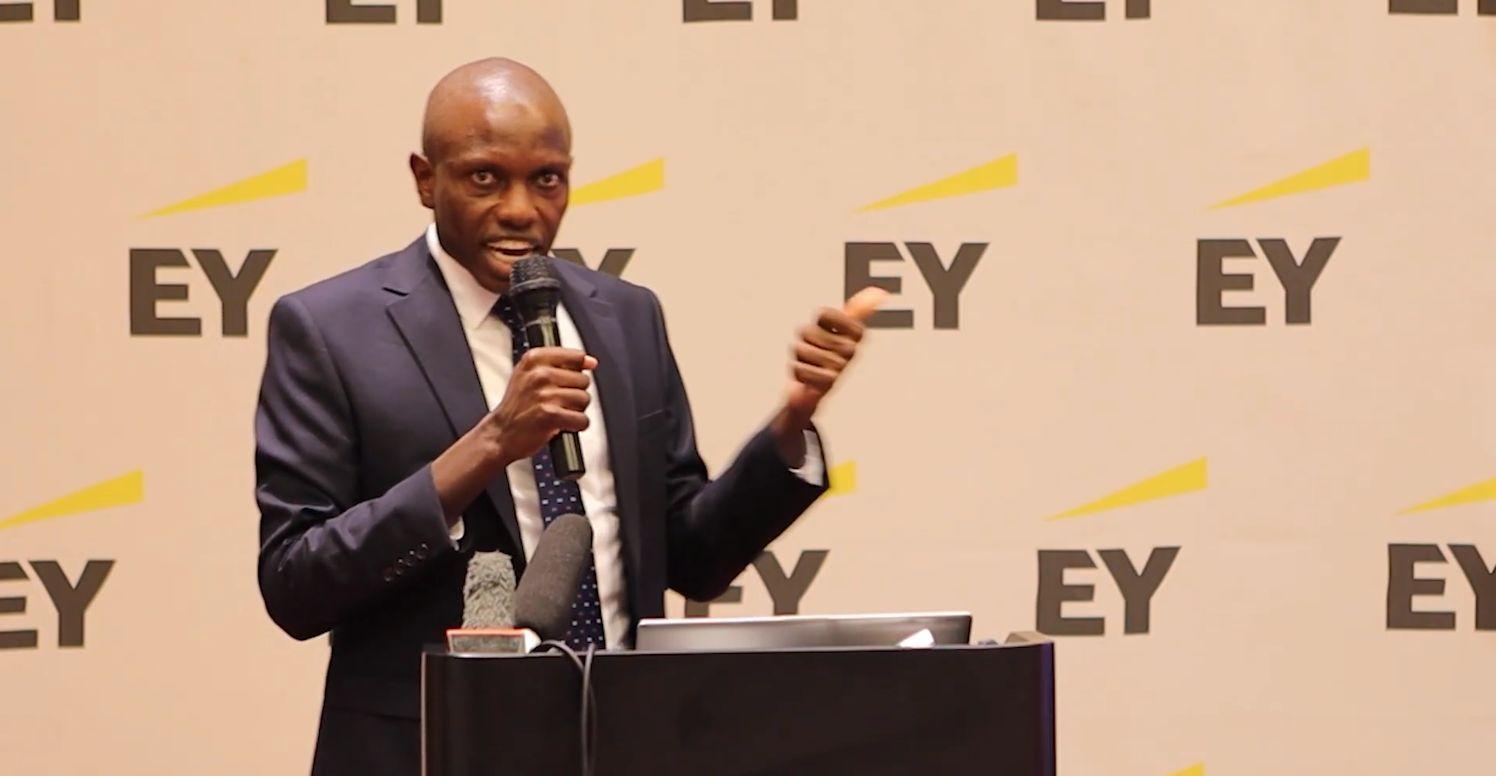
According to Ernst and Young Kenya associate tax director Robert Maina, the government is increasingly shifting focus from raising taxes to tightening revenue collection and managing expenditure moves seen as more palatable to voters.
“On the revenue side, the systems are largely in place. With tools like e-TIMS and improved tax administration, the government can collect what it needs without necessarily increasing taxes,” Maina said.
The remarks point to a growing strategy within government to avoid introducing new taxes, instead relying on administrative measures such as digital tax systems and broadening the tax base.
This comes after strong public resistance to aggressive tax proposals in recent years, which analysts say has made authorities more cautious as the country approaches an election cycle.
According to Maina the failure to align regulations with the tax policy has seen most measures based on the goodwill of the government of the day and the pressures they are facing.
“So even if you have a policy that says I should only revise my tax laws every five years, but I’m facing a very tough budgetary constraint, it is unlikely that people will actually observe that. And that is the pressure we see the government facing,” he added
The experts argued that raising taxes further could strain households already grappling with a high cost of living, making restraint a politically strategic decision.
Despite this shift, Kenya’s debt burden continues to loom large, hovering near 68 per cent of GDP, well above the recommended 55 per cent threshold.
Analysts warn that without higher revenues, the government risks increasing borrowing to plug budget deficits, especially as expenditure continues to rise.
“There is a real danger that we keep borrowing to finance gaps because revenue targets are often overestimated and rarely achieved,” said Maina.
EY’s partner and tax lead for East Africa Francis Kamau identified government spending as the primary risk to fiscal stability rather than taxation.
He pointed out that inefficiencies, corruption, and misallocation of resources, with questions on whether public funds are directed toward productive sectors.
“The biggest worry is how the money is used. Are we building public goods, or are we losing resources through wastage and corruption?” Kamau posed.
Data shared during the discussion shows recurrent expenditure continues to dominate the budget, often crowding out development spending, which constitutionally should account for at least 30 percent but consistently falls short.
The agriculture sector despite contributing significantly to the economy, remains underfunded, receiving about 3.4 per cent of the budget.
Experts say this misalignment raises concerns about the government’s commitment to economic transformation through key productive sectors.
“Unfortunately, we are now coming to the last year, 2026-2027 Median Income Revenue Strategy, this is what triggered what we had in 2004, the chaos that we had in 2024, the demonstration and everything else,” he noted.
With the 2027 elections on the horizon, experts believe fiscal policy will increasingly reflect political realities.
Governments typically avoid unpopular measures such as tax hikes during election cycles, opting instead for less visible adjustments like reducing tax incentives, improving compliance, and enhancing enforcement.
“There will likely be a focus on administrative measures rather than increasing tax rates. The government is aware of the economic pressure on citizens,” Kamau noted.
“The opportunity lies in sealing leakages, improving accountability, and ensuring every shilling collected delivers value to the public.”
Kenya’s fiscal policy has historically been influenced by political cycles, particularly as elections approach. In recent years, public resistance to tax hikes has prompted the government to consider alternative revenue strategies, such as improving tax administration and compliance. This shift comes amid rising public debt, which poses significant challenges to fiscal stability and economic growth. The focus on managing expenditure and enhancing accountability is seen as crucial for addressing the country’s budgetary constraints and ensuring effective use of public resources.