
The Ministry of Health has warned of a potential disease outbreak across the country amid ongoing May-April-May rains in several regions.
In a statement on Sunday, March 7, Public Health Principal Secretary Mary Muthoni said that the continued flooding by the rains could lead to contamination of water sources, increased breeding of disease vectors such as mosquitoes, displacement of communities, and disruptions to sanitation systems
Muthoni noted that these factors create an ideal environment for diseases, including cholera, typhoid, malaria, dengue, and other mosquito-borne diseases.
Respiratory diseases are also expected to increase due to cold and damp conditions, as well as other flood-related injuries such as drowning, trauma, and snake bites. The rains are also expected to lead to poor sanitation and waste accumulation.
“While the rains are important for agriculture and water resources, they may also increase the risk of certain public health threats,” Muthoni stated.
“The public is advised to remain vigilant for the following health risks that may increase during the rainy season,” she added.
Members of the public have been urged to take precautionary measures, including drinking boiled or chlorinated water, washing hands regularly, and handling food safely.
The Ministry has further urged Kenyans to ensure that they sleep under insecticide-treated nets, draining stagnant water around homes, and using repellents where necessary.
Muthoni has further urged Kenyans to refrain from walking or driving through flooded areas, ensuring proper sanitation and waste disposal ad seek immediate medical attention if they experience symptoms such as severe diarrhoea, vomiting, fever, or difficulty breathing.
On the other hand, county health teams have been urged to enhance surveillance for epidemic-prone diseases and ensure health facilities are prepared to manage potential outbreaks.
“The Ministry of Health, in collaboration with county governments and partners, has strengthened disease surveillance, emergency preparedness, and rapid response mechanisms to detect and respond to any public health threats that may arise during the rainy season,” Muthoni stated.
“The Ministry calls upon communities, local leaders, and all stakeholders to remain vigilant and cooperate with health authorities by reporting unusual disease occurrences and adhering to public health advisories,” she added.
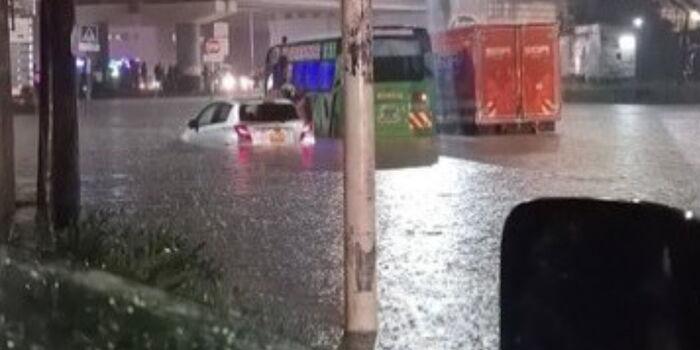
The advisory comes at a time when several parts of Kenya are grappling with flooding caused by the ongoing heavy rains, which have led to widespread destruction of property and loss of life, especially in Nairobi.
In a statement on Saturday, March 7, President William Ruto directed the immediate deployment of the Kenya Defence Forces (KDF) and a multiagency emergency response unit to accelerate rescue and relief operations following the devastating floods affecting parts of the country.
The Head of State noted that the emergency response operation will be spearheaded by the Ministry of Interior, working alongside the military and other disaster management agencies.
According to Ruto, the team’s main role will include coordinating rescue efforts, supporting affected communities, and ensuring that those in danger are immediately moved to safer locations to avert further crisis.