
What You Need to Know
Recent floods in Kenya have resulted in at least 112 fatalities, prompting the National Police Service (NPS) to issue a safety advisory. As heavy rains continue, Kenyans are urged to exercise caution during the Easter holiday, particularly while traveling. The NPS emphasizes the importance of vigilance to prevent further loss of life and has provided emergency contact channels for reporting flood-
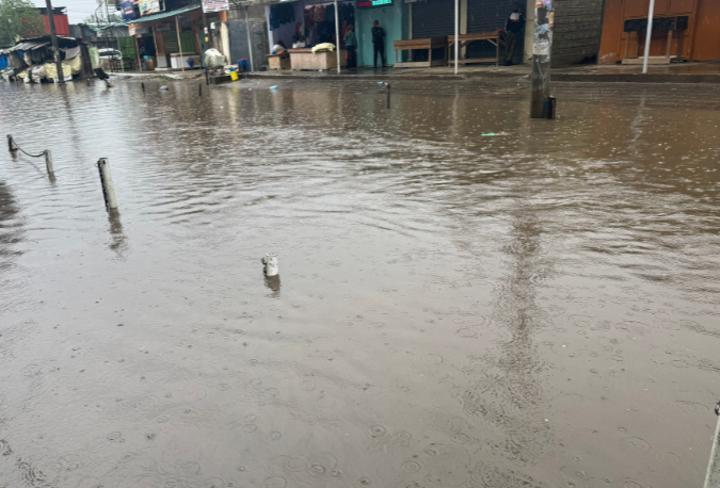
Africa-Press – Kenya. At least 112 people have died in recent floods that followed days of heavy rain across the country, the National Police Service (NPS) said in its latest update on April 3, 2026.
In its nationwide safety advisory, the authorities have urged Kenyans to exercise caution during the ongoing Easter holiday period, highlighting the heightened risks associated with travel and outdoor activities.The police emphasised that vigilance remains critical in preventing further loss of life.
“With 112 lives lost due to the rains as of 3rd April 2026, the National Police Service appeals to all Kenyans to prioritise safety, particularly given the combination of adverse weather conditions and increased movement of people across the country during the holiday period,” the advisory stated.
Motorists are advised to drive carefully, observe speed limits, maintain safe distances, avoid flooded roads, and ensure their vehicles are in good mechanical condition.
Pedestrians are also encouraged to remain alert, particularly in areas prone to flooding or with limited visibility.
The advisory comes as rainfall continues to impact several regions across the country, causing road closures, waterlogging, and damage to drainage systems.
The advisory said the police are working to restore affected infrastructure and ensure safe passage for travellers.
“As operations continue to restore damaged infrastructure, including roads and drainage systems, the public is urged to cooperate with authorities, observe all safety advisories, and avoid restricted or high-risk areas,” it further reads.
The National Police Service also provided multiple channels for reporting emergencies.
Members of the public can call the emergency lines 999 or 911, report incidents via the toll-free line 0800 722 203 (#FichuaKwaDCI), or use WhatsApp at 0709 570 000.
These measures are aimed at ensuring a timely response to flood-related incidents and to facilitate rescue and relief operations.
The advisory comes amid the government’s ambitious Sh47.2 billion Flood Resilience Masterplan aimed at addressing persistent flooding challenges in Nairobi.
Prime Cabinet Secretary Musalia Mudavadi presented the long-term strategy, developed under the Nairobi Rising Programme, to Parliament.
He said the plan seeks to deliver a coordinated and climate-resilient transformation of the city’s urban systems.
Mudavadi told the National Assembly that the plan is designed to improve water drainage, flood control and climate-resilient infrastructure through a shift in how stormwater is managed.
According to the PCS, the strategy is anchored on a “Sponge City” design philosophy, an approach that prioritises absorption, retention and controlled reuse of stormwater instead of rapid drainage, which has historically worsened flooding in urban areas.
“The strategy is structured in three progressive phases to ensure both immediate response and long-term sustainability,” Mudavadi said.
Kenya has faced persistent flooding challenges, particularly during the rainy seasons, which have been exacerbated by climate change and urbanization. In response, the government has initiated the Sh47.2 billion Flood Resilience Masterplan, aimed at improving infrastructure and flood management in Nairobi. This plan, presented by Prime Cabinet Secretary Musalia Mudavadi, focuses on a ‘Sponge City’ design to enhance stormwater management and reduce flooding risks in urban areas. The strategy is structured to ensure both immediate and long-term solutions to flooding issues.