What You Need to Know
Kenyan lawmakers have expressed serious concerns regarding the rise of fraudulent disability claims aimed at securing state jobs and benefits. During a session with Labour and Social Protection CS Alfred Mutua, MPs highlighted the exploitation of weak oversight systems, which allow individuals to falsely claim disabilities, potentially sidelining those in genuine need. The ministry is working on a
Africa-Press – Kenya. Lawmakers and senior government officials have raised concerns over what they describe as a growing trend of Kenyans allegedly faking disabilities to secure state jobs, political nominations and access to taxpayer-funded benefits.
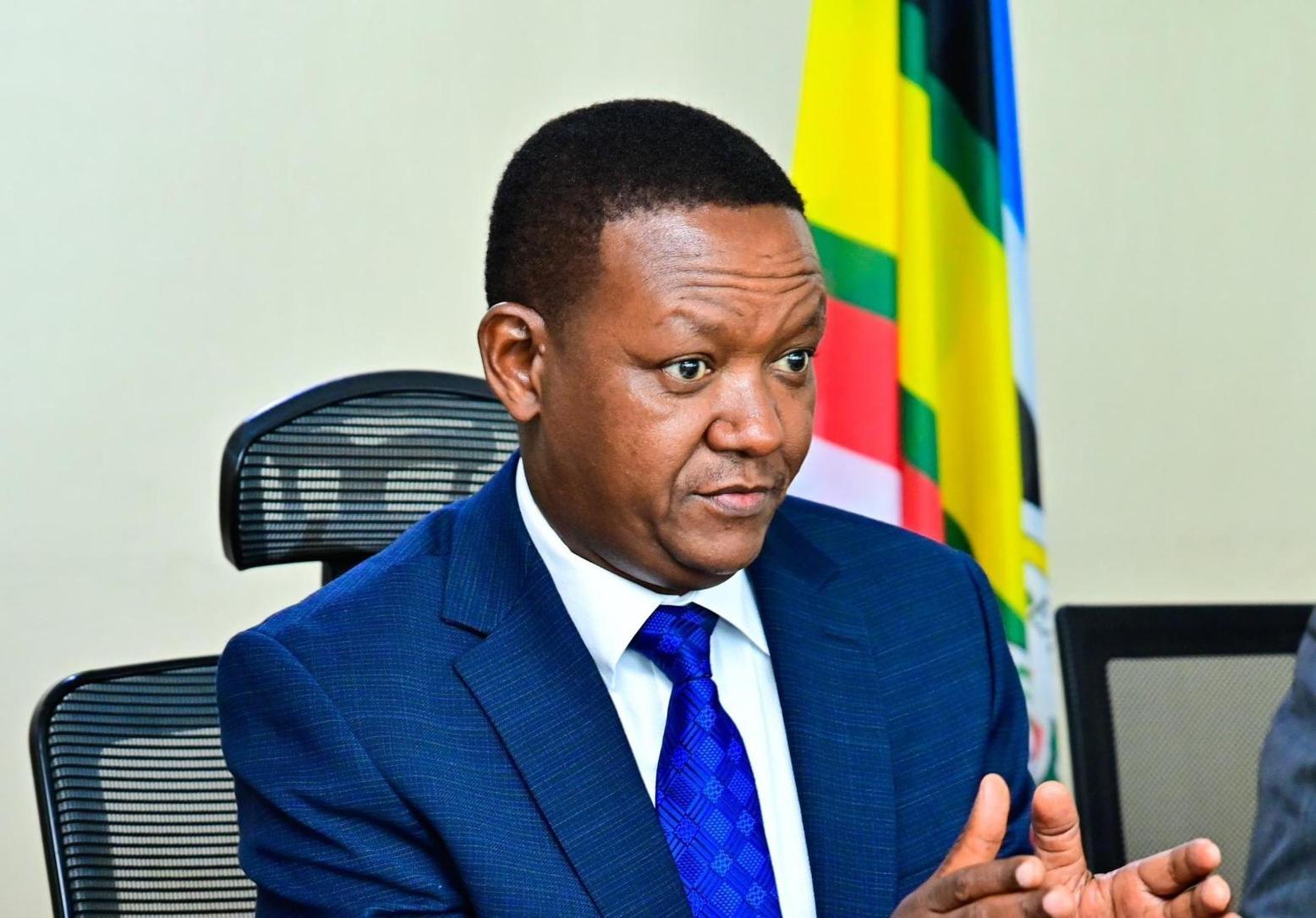
The claims emerged during a tense session of the Delegated Legislation Committee, which met with Labour and Social Protection Cabinet Secretary Alfred Mutua.
Members of Parliament sitting in the committee, chaired by Ainabkoi MP Samuel Chepkonga, questioned CS Mutua over fears that weak systems were being exploited by people with money, influence or connections.
They said weak oversight mechanisms were allowing some applicants to abuse disability certification, potentially locking out genuinely vulnerable Kenyans while straining public resources.
“We have seen genuine people, and then there are those who are superficial. Some wealthy beneficiaries use disability papers to jump queues for state opportunities,” said Kiambu Town MP Waithaka Machua.
The Kiambu lawmaker further alleged that an individual had claimed disability status to qualify for nomination to the Nairobi County Assembly, only to leave office afterward.
The committee was also told that some applicants have been securing disability status for minor physical conditions while continuing to live comfortably and compete for benefits meant for those in genuine need.
The concerns touch on Kenya’s affirmative action and welfare systems, where persons living with disabilities are entitled to special hiring consideration, tax relief, social support and political representation.
Committee members sought clarity on whether all persons with disabilities would automatically qualify as needy under the proposed Social Protection General Regulations, 2026, warning that such an approach could lead to abuse.
CS Mutua acknowledged the concerns, saying the ministry was aware of existing loopholes and was working on tighter operational procedures to ensure support reaches deserving citizens.
“We need clear bounds and boundaries so that the system is not misused. Disability on its own does not mean vulnerability. We must assess the individual’s overall circumstances, including income and household conditions, to ensure that support and opportunities reach those who truly need it,” said Mutua.
The CS defended the broader regulations as necessary to modernise Kenya’s social protection framework, but conceded that screening mechanisms must be strengthened to prevent fraud.
He said government inefficiencies, rather than lack of funds, were the main reason retirees often wait months or even years for pension payments.
He added that reforms at the National Social Security Fund had already reduced processing times from several months to about one month, with a target of seven days.
“We are not a poor country. We just have poor capabilities of doing things,” Mutua said.
He argued that delayed pensions should not be used as justification for drawing money from social welfare programmes, insisting that each fund must serve its intended purpose.
Lawmakers, however, pushed back, saying many pensioners suffer depression, poverty and in some cases death while waiting for benefits earned over decades.
Mutua further told MPs that fully supporting all needy Kenyans would require about Sh41 billion annually, while current available funding stands at Sh29 billion.
He said that even after removing duplicate and questionable beneficiaries from existing registers, the ministry still requires Sh34.4 billion to meet demand.
“That shortfall means stricter vetting is inevitable. I have to go back and knock out some more people who are not really needy,” Mutua told MPs.
He added that the regulations were critical not only for governance but also for unlocking donor and development financing to expand social protection coverage.
Mutua also announced a digitisation drive aimed at reducing fraud and leakages in cash transfer programmes.
He said payments that were previously processed through banks and post offices are now being channelled directly to beneficiaries through Safaricom’s M-PESA platform.
The ministry is also linking death registration systems to welfare databases so that once a death certificate is issued, ghost beneficiaries can be automatically removed.
Officials say the reforms could save billions of shillings previously lost through fraudulent or outdated payrolls.
In Kenya, the issue of disability fraud has gained attention as the government seeks to improve social protection systems. The affirmative action policies aim to support individuals with disabilities, granting them access to job opportunities and benefits. However, the rise in fraudulent claims has raised alarms about the integrity of these systems and the need for stricter regulations to ensure that resources are allocated to those who truly require assistance. The government is now focusing on reforming these processes to prevent abuse and ensure that support reaches the most vulnerable citizens.