What You Need to Know
Members of the Kenyan Parliament have expressed concerns regarding the high number of political appointees to ambassadorial positions, advocating for a proposed law that would limit non-diplomats to 30 percent of such roles. During a vetting session for a nominee to the Vatican, MPs questioned the candidate’s qualifications and the implications of appointing individuals without formal diplomatic经验
Africa-Press – Kenya. Members of Parliament (MPs) have raised concerns over the high number of political appointees to ambassadorial positions as opposed to career diplomats.
Members of the National Assembly’s Defence, Intelligence and Foreign Relations Committee, said the tend is worrying even as they rallied behind a proposed law seeking to limit non-diplomats to just 30 percent.
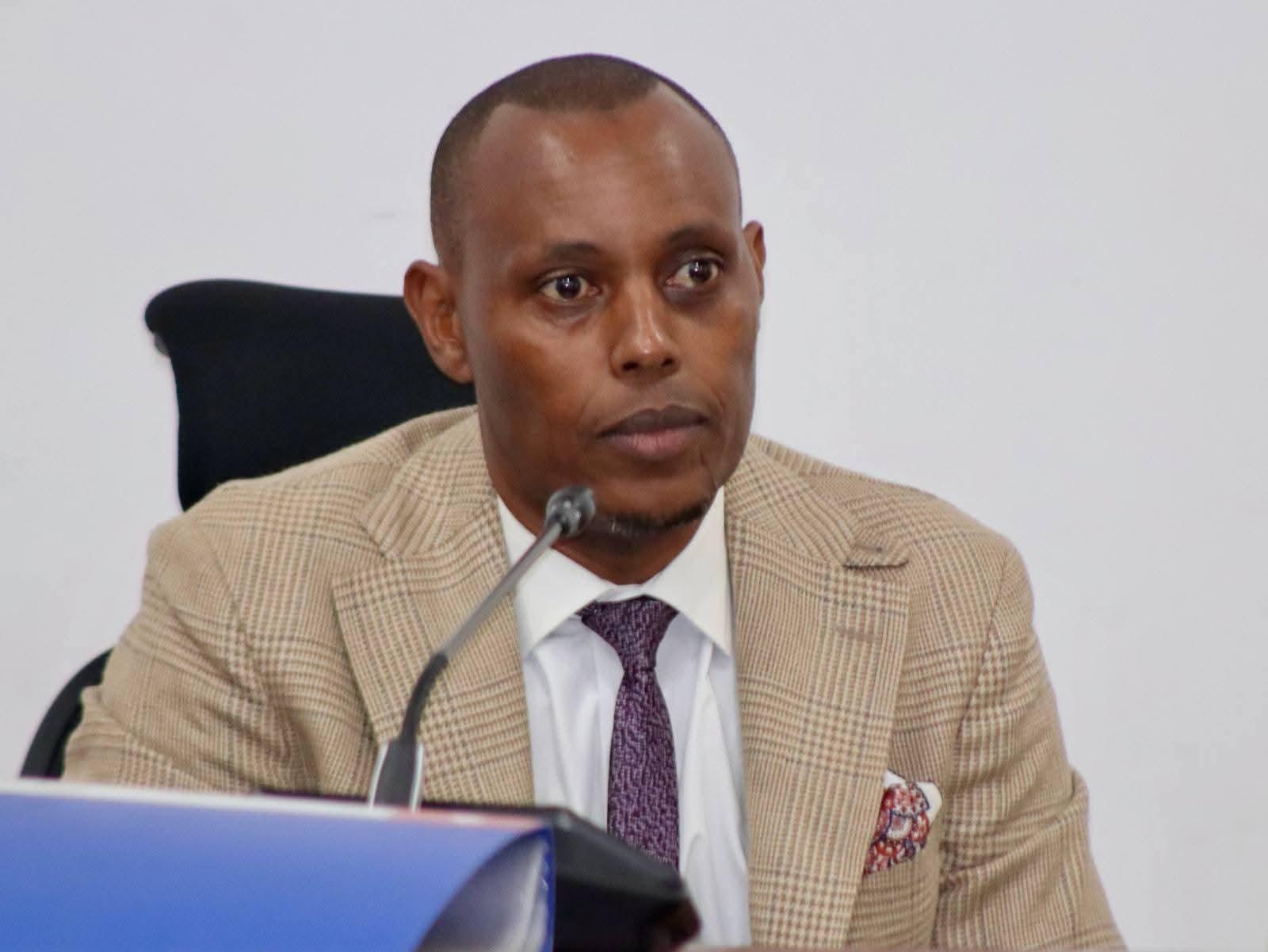
The MPs led by committee chairman Nelson Koech spoke while vetting Dr. Julius Murori Mbijiwe, who has been nominated to serve as Kenya’s Ambassador to the Vatican (The Holy See).
They referenced to a proposed policy that seeks to allocate 70 per cent of diplomatic positions to career diplomats and 30 per cent to individuals from other professional backgrounds, as they questioned the nominee’s credentials.
The legislators raised concerns over his lack of formal diplomatic experience, particularly at a time when career diplomats have long awaited such appointments as Koech questioned the nominee on his suitability for the role.
Dr. Mbijiwe currently serves as Chief of Staff in the Meru County Government, a position he has held since April 2025. He previously represented his ward as a Member of County Assembly (MCA) in the Meru County Assembly from 2013 to 2022.
“There is a proposed law before the National Assembly on a 70:30 ratio in diplomatic appointments, whereby 70 per cent of diplomats are drawn from diplomatic roles and 30 per cent from other fields. Do you support this proposition because, as we are talking now, you are employed as the Chief of Staff in Meru County, yet there are career diplomats who have been waiting for a long time for an opportunity to serve?” Koech asked.
In his response, Dr. Mbijiwe defended the inclusion of professionals from diverse fields in diplomatic roles.
“I am aware of the Bill that is in process; however, I find it prudent that appointment of Ambassadors be across the board, not necessarily from diplomats alone. Experience from other fields, including politics, also contributes significantly to diplomacy. I would support the idea of keeping it open because all these other fields are important for service,” he said.
The MPs also pressed the nominee on how he would manage operations at the mission, which is expected to be established for the first time at the Holy See, amid concerns over limited budgetary allocations and staffing challenges.
“This Committee has consistently highlighted systemic challenges affecting Kenya’s missions abroad, including understaffing, constrained budgetary allocations, and operational inefficiencies. What governance frameworks, financial controls, and performance management systems will you establish to ensure efficient mission operations?” Gillgil MP Martha Wangari asked.
Dr. Mbijiwe acknowledged the financial constraints, stating that he would adopt a lean staffing model to reduce costs.
“Resources are never enough, and I will take measures to ensure that I work with a small number of officers who will handle multiple roles so that we reduce staff numbers and avoid overspending,” he responded.
They further questioned how the nominee would align the mission with Kenya’s foreign policy priorities, particularly economic diplomacy, given that the Holy See is primarily a spiritual authority with limited commercial engagement.
“Our foreign policy is anchored on several pillars, including economic diplomacy. The Holy See is largely non-commercial. How do you intend to advance this pillar in such a mission?” Sabot MP Caleb Amisi asked.
In response, Dr. Mbijiwe emphasized the need to understand the unique nature of the Holy See and explore opportunities within sectors such as education, health, and peacebuilding.
“It is true that the Holy See is not primarily focused on economic trade but on education, health, and peacekeeping. I will study the country and its operations, and work closely with Kenya’s Ministry of Foreign Affairs to identify any possible economic opportunities, without compromising the mission and values of the host state,” he said.
In his closing remarks, the nominee underscored the importance of establishing a standalone embassy in Vatican City to enhance operational efficiency and oversight.
He also outlined plans to strengthen Kenya’s engagement in education and health initiatives, while ensuring prudent use of public resources and fostering stronger diplomatic relations between Kenya and the Holy See.
The Committee shall be considering the suitability of the nominee before tabling a report with its recommendations before the National Assembly for debate.
In Kenya, the appointment of ambassadors has traditionally been a contentious issue, often reflecting political affiliations rather than diplomatic expertise. The proposed legislation aims to address this imbalance by ensuring that a majority of diplomatic positions are filled by career diplomats, thereby enhancing the professionalism and effectiveness of Kenya’s foreign service. This move comes amidst ongoing debates about the qualifications required for such critical roles and the need for a more structured approach to diplomatic appointments.