What You Need to Know
The Ministry of Education in Kenya has labeled a letter claiming teachers are not entitled to extra pay for exam duties as fake. Education Cabinet Secretary Julius Ogamba urged teachers to disregard the misleading information, emphasizing that the ministry is working to resolve payment delays for contracted examiners. The issue has intensified amid demands for compensation for the 2025 KCSE exams.
Africa-Press – Kenya. The Ministry of Education has dismissed as fake a letter purporting to inform teachers contracted to supervise and mark national examinations and assessments that they are not entitled to separate compensation distinct from their monthly pay.
The letter claimed that invigilation, supervision and marking of student work are an integral part of teachers’ professional duties and responsibilities, already covered under their remuneration.
As such, it stated that “separate payment for these examination-related duties is not a requirement”, arguing that the work is “an extension of professional service” which teachers are expected to undertake as part of their commitment to the education system and their students.
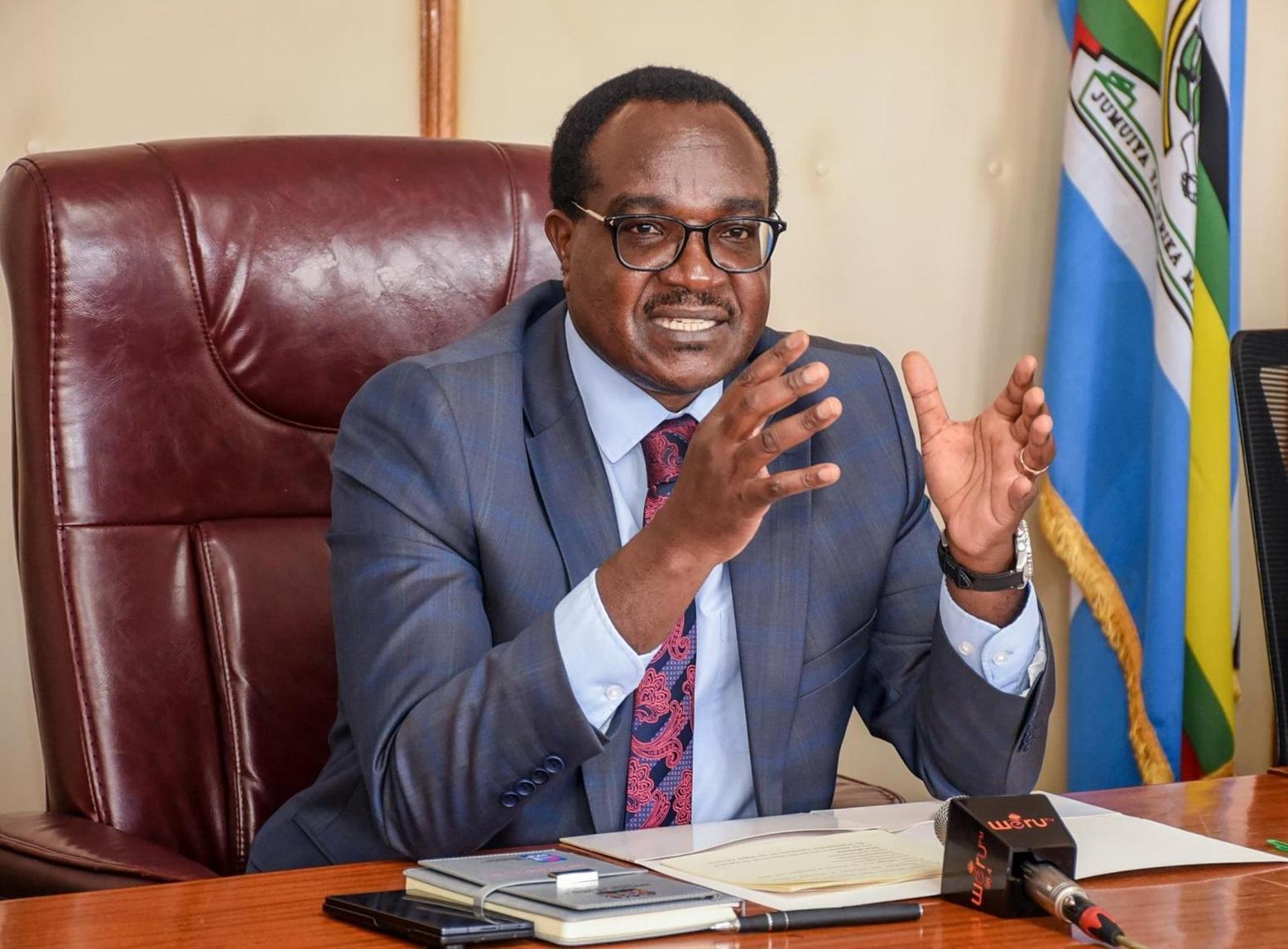
Education Cabinet Secretary Julius Ogamba asked teachers to disregard the statement, terming it false and misleading.
“This is fake information intended to mislead the public and should be treated with the utmost contempt,” he said.
The statement surfaced at a time when teachers contracted to administer and mark the 2025 KCSE examinations, as well as KPSEA and KJSEA assessments, have intensified demands for payment.
The concerns were further inflamed by another fake communication circulated on Monday and attributed to Kenya National Examinations Council (KNEC) chief executive officer David Njengere, which claimed the council was prioritising staff salaries and loan obligations with the limited funds available.
Njengere acknowledged that the council owes examiners but dismissed the letter as misleading, citing a February 12 communication from Ogamba indicating that the ministry was working with the National Treasury to settle the outstanding allowances owed to teachers and other professionals contracted to oversee the exams.
“The delays in disbursement of allowances have arisen from budgetary and cash flow constraints currently affecting the release of funds. We wish to assure all affected professionals that payment remains a priority,” Ogamba said.
KNEC contracted more than 32,000 examiners and 22,247 security officers for the 2025 Kenya Certificate of Secondary Education (KCSE) examinations.
The exercise also involved 10,765 centre managers, 12,126 supervisors and 54,782 invigilators.
For the Primary and Junior School assessments (KPSEA/KJSEA), the management team was larger, comprising 24,213 centre managers, 26,479 supervisors and 125,492 invigilators.
The council also engaged 2,692 drivers to support logistics, mainly ferrying security personnel and examination materials to insecure and hard-to-reach areas.
A total of 32,558 examiners were engaged to mark the KCSE examinations. KNEC was allocated Sh5.9 billion in the 2025–26 budget for the administration of the 2025 national examinations.
“The ministry, in collaboration with the National Treasury, is actively working to resolve the matter and expedite the release of the requisite funds within the shortest time possible,” Ogamba said in the February communication.
“Moving forward, we commit to safeguard timely payment to our contracted professionals. Further updates will be communicated as appropriate,” he added.
In Kenya, the management of national examinations has been a contentious issue, particularly regarding the compensation of teachers involved in the process. The Kenya National Examinations Council (KNEC) oversees the administration of these exams, engaging thousands of professionals each year. However, budgetary constraints often lead to delays in payments, causing frustration among educators who feel their contributions are undervalued. The recent circulation of fake communications has further complicated the situation, prompting officials to clarify the ministry’s position on examiner remuneration.