What You Need to Know
Politicians in Kenya will face significantly higher costs for using music during campaign events due to a new tariff structure. The revised fees, effective from January 1, 2026, will increase expenses for candidates across all elective positions, while also enhancing earnings for artists. The changes aim to streamline royalty collections and ensure musicians benefit directly from their work during
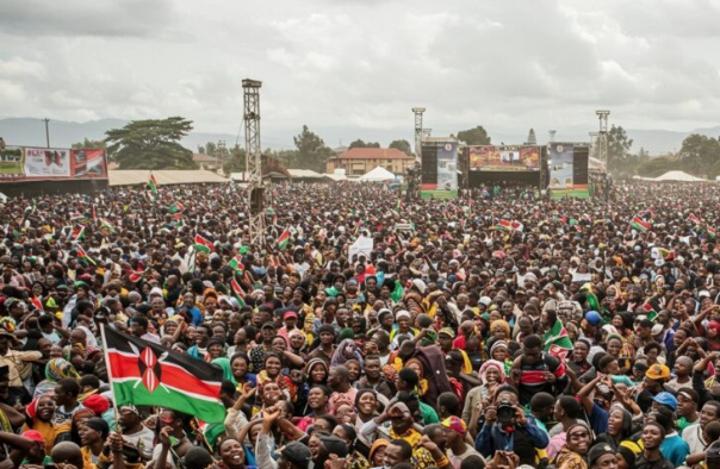
Africa-Press – Kenya. A past election campaign rally/FILEPoliticians planning rallies, launches and other campaign events will now incur significantly higher costs for using music following the introduction of a revised tariff structure that raises licensing fees across all elective positions and political activities.
The newly approved Consolidated Music and Audio-Visual Works Tariff, covering the period from January 1, 2026, to December 31, 2028, signals a shift that is set to make campaign seasons more expensive for candidates while boosting earnings for artistes.
Under the new framework, political events, including campaigns, launch parties, and the unveiling of candidates and manifestos, will attract fees of up to Sh500,000.
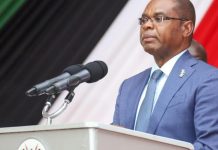
The tariffs were approved by Youth Affairs, Creative Economy and Sports Cabinet Secretary Salim Mvurya through a gazette notice.
“In exercise of the powers conferred by section 46A of the Copyright Act, the Cabinet Secretary for Youth Affairs, Creative Economy and Sports approves the consolidated music and audio visual tariffs set out in the Schedule and revokes the consolidated music tariffs issued under Legal Notice No. 84 of 2023,” the notice reads.
Presidential candidates will now pay Sh500,000 each, up from Sh400,000 under the 2023 framework.
Gubernatorial candidates will part with Sh200,000, reflecting a Sh50,000 increase, while senatorial candidates will pay Sh150,000, up from Sh100,000.
Fees for Members of Parliament and women representatives have doubled, with the new rate capped at Sh100,000.
The revised tariffs, contained in a legal notice dated January 29, 2026, are exclusive of taxes.
Political parties will continue to pay a flat annual fee of Sh600,000 to use music at rallies, launches and other campaign activities.
However, those incorporating concerts and roadshows will incur an additional Sh50,000 per day for each event, pushing overall costs even higher.
Invoices issued under the framework must be settled within 30 days, except for daily activities such as roadshows and promotional events, which require immediate payment.
“Failure to pay an invoice upon the lapse of the 30 days shall attract a penalty of 5 per cent per month compounded for the period the invoice remains unpaid,” Mvurya warned.
Licences issued under the structure will remain valid for one year from the date of issuance.
The revised tariffs are expected to significantly boost royalties collected by authorised Collective Management Organisations (CMO) as campaign activities intensify.
These include the Music Copyright Society of Kenya, which represents composers, authors and publishers; the Kenya Association of Music Producers, representing producers and label owners; and the Performers Rights Society of Kenya, which represents singers and musicians.
Royalties are collected from broadcasters, entertainment venues and other public spaces through the eCitizen platform, following a directive aimed at streamlining the process and eliminating intermediaries.
Musicians are expected to receive 70 per cent of the collected royalties directly. The potential scale of collections is substantial.
For instance, if only two candidates contest the gubernatorial seat in each county, monthly invoice collections could reach Sh18.8 million, excluding additional earnings from daily campaign activities such as roadshows.
Beyond politics, the revised tariff structure extends to multiple sectors. Discotheques, nightclubs, casinos, hotels, lodges, bars, restaurants and cafes will pay up to 60 per cent of their Single Business Permit for the use of audio-visual works.
Commercial vehicles, including matatus and taxis, will pay a flat rate alongside additional charges ranging from Sh4,000 to Sh6,000 depending on seating capacity.
Supermarkets in cities will pay up to Sh200,000, while large shopping malls exceeding 15,000 square feet will pay Sh300,000.
International airports in Nairobi will be charged Sh500,000, with those in other cities paying Sh400,000.
Other airports, airstrips, railway stations and bus stations will also attract Sh300,000, Sh200,000, Sh100,000 and Sh50,000 respectively.
The revised structure marks a notable recalibration of how music is monetised in public and commercial spaces, positioning artistes to benefit more directly from the widespread use of their work, particularly during politically charged campaign periods.
The introduction of revised music licensing fees in Kenya reflects a growing recognition of the value of artistic work, particularly during politically charged periods. Historically, musicians have struggled to receive fair compensation for the use of their work, especially in public events like political rallies. This new tariff structure aims to address these issues by ensuring that artists receive a more substantial share of royalties collected from various sectors, including political campaigns.