Africa-Press – Kenya. President William Ruto has announced that the Cabinet has approved the National Policy on Ethnic Minorities, Indigenous and Marginalised Communities.
The President described it as a major step toward fulfilling constitutional protections for vulnerable groups.
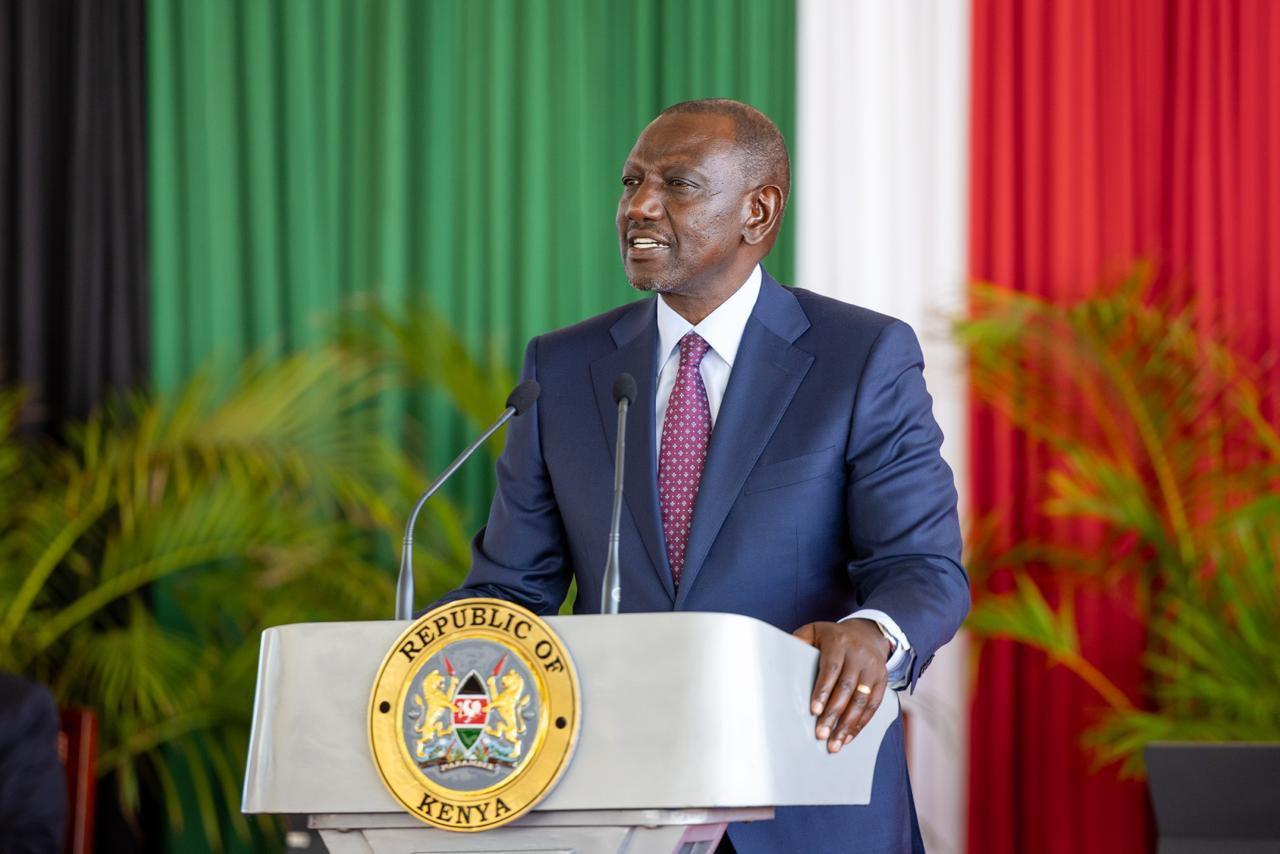
Speaking during the International Minorities Rights Day on Thursday, President Ruto said the policy provides a comprehensive roadmap for the full implementation of Article 56 of the Constitution, which guarantees affirmative action for minorities and marginalised communities.
“Today, I’m pleased to announce that the Cabinet has approved the National Policy on Ethnic Minorities, Indigenous, and Marginalised Communities. I will launch this transformative blueprint, which provides a comprehensive roadmap for the full realisation of Article 56 of the Constitution,” Ruto said.
“This policy is the product of extensive nationwide consultations with communities, civil societies, county governments and experts. It responds directly to the challenges acknowledged in this forum two years ago that established the institutional architecture we committed to building.”
He noted that the policy is the outcome of extensive nationwide consultations involving affected communities, civil society organisations, county governments, and technical experts.
According to the President, it responds directly to gaps and challenges identified during a similar forum held two years ago and delivers on commitments to build the necessary institutional framework.
Ruto said the policy establishes a Minority and Marginalised Communities Directorate as a central coordinating unit and proposes the creation of a National Council for Ethnic Minorities, Indigenous and Marginalised Communities through legislation.
On Thursday, Ruto hosted 5,000 delegates from marginalised and minority groups in an event marking the International Day for Minority Rights.
The event was part of President Ruto’s policy of mainstreaming minorities, in line with UN requirements for the day, which was established in 1992.The day, marked on 18 December, was established by the United Nations to promote and protect the rights of persons belonging to national, ethnic, religious, and linguistic minorities.Among the communities represented were the Ndorobo, Ogiek, Dasenach, Njemps, Walwana, Rendille, Burji, El Molo, Sakuye, Suba, Kuria, Makonde, Shona, Nubians, among others.Article 56 of the Constitution mandates the State to put in place affirmative action programmes designed to ensure that minorities and marginalised groups participate in and are represented in governance and other spheres of life.
Minorities are also to be provided with special opportunities in educational and economic fields, as well as special opportunities for access to employment.
The State is further required to help them develop their cultural values, languages, and practices, and to ensure reasonable access to water, health services, and infrastructure.
Many marginalised groups in Kenya, however, continue to face systemic discrimination, socio-economic exclusion, inadequate representation in governance, and limited access to essential services.
In counties such as Turkana and Mandera, for example, the net enrolment rate for primary schools is just 43 per cent, compared to a national average of 91 per cent, according to the Kenya National Bureau of Statistics (KNBS, 2022).