What You Need to Know
During his state visit to Italy, President William Ruto engaged Kenyans in the diaspora by referencing the viral phrase “pawa,” drawing laughter and applause. He used humor to highlight serious energy policy goals, emphasizing the need for increased electricity generation as part of Kenya’s development agenda while strengthening ties with Italian leaders and investors.
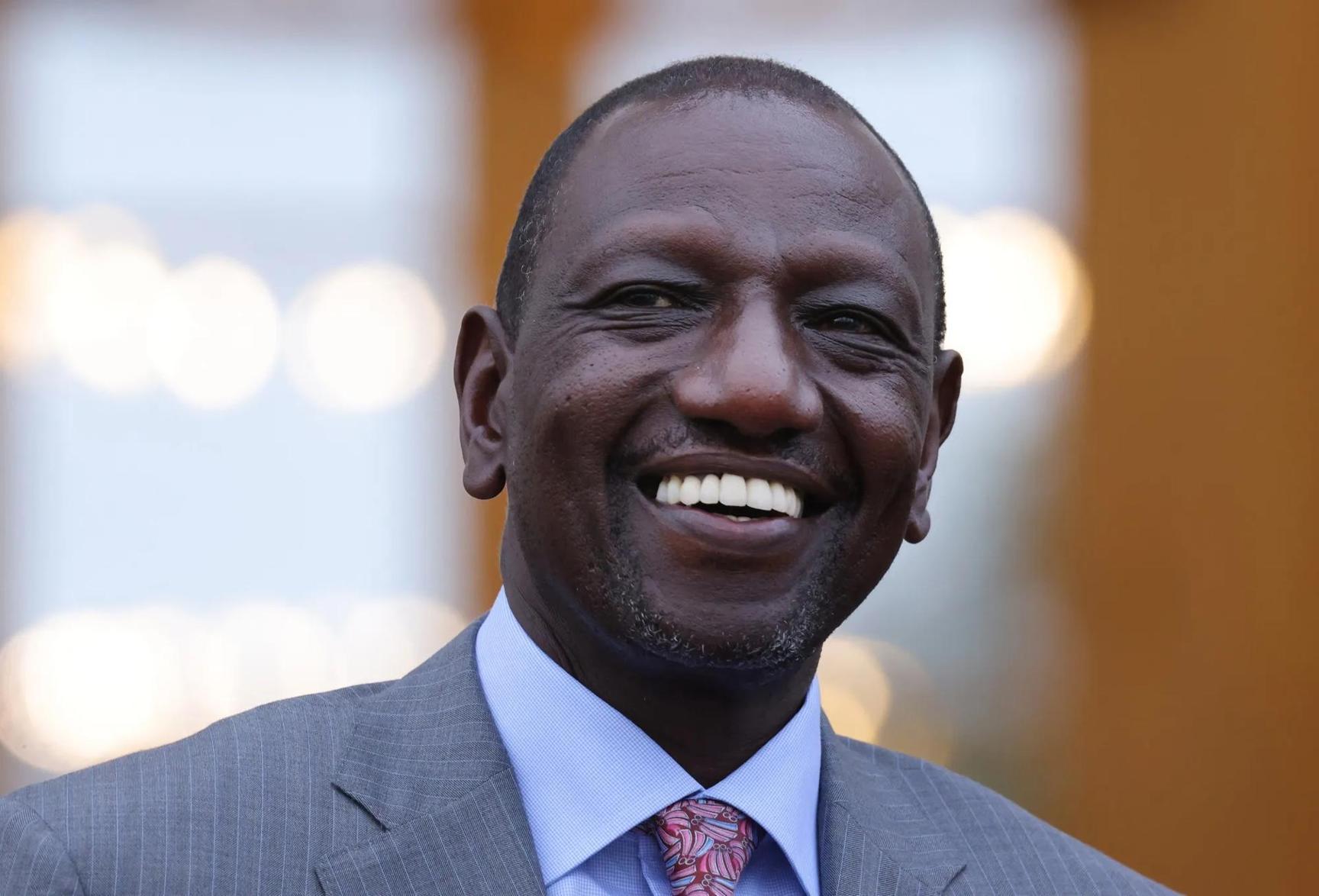
Africa-Press – Kenya. President William Ruto turned a familiar Kenyan phrase into a moment of connection with the diaspora during his ongoing State Visit to Italy, drawing laughter and applause as he referenced the now-viral “pawa” phrase.
Speaking to Kenyans living in Italy, Ruto playfully asked: “Have you heard about power?”; a line that immediately sparked laughter from the crowd, many of whom responded in unison, clearly recognising the reference.
The “pawa” phrase has in recent weeks gained traction online and in political circles after ODM party leader Oburu Oginga used it in a public address.
Since then, it has evolved into a meme widely shared by Kenyans, often used humorously to describe influence, authority, or political energy.
Ruto leaned into the moment, acknowledging its popularity before linking it to a more serious theme — energy and development.
“You have heard my friend saying we cannot stay without power,” he said, prompting another round of laughter as the audience related to the now-familiar phrase.
But the president quickly shifted tone, using the humour to underline a policy message.
“That is why we must generate at least 10,000 megabytes of energy,” he added, drawing attention to the government’s focus on expanding electricity generation and energy access.
The remarks came as part of his engagement with the Kenyan diaspora during a three-day State Visit to Italy, where he is holding high-level talks and seeking investment opportunities.
The remark underscored the government’s broader push to expand energy capacity as part of its development agenda, positioning a reliable power supply as key to industrialisation and investment.
During the visit, Ruto has been meeting Italian leaders and investors to strengthen bilateral ties, with a focus on trade, infrastructure, and strategic partnerships.
He is also engaging Kenyans living abroad to discuss their role in national development and recognise their contribution to the economy.
For many in the room, the moment captured a blend of home and abroad, a Kenyan leader speaking in a foreign capital, yet referencing conversations, jokes, and realities that resonate back home.
The laughter that followed his remarks was not just about the joke itself but also the recognition it carried.
Kenya’s diaspora plays a crucial role in the country’s economy, contributing significantly through remittances and investments. The government has increasingly sought to engage Kenyans abroad, recognizing their potential to support national development. President Ruto’s visit to Italy is part of a broader strategy to strengthen bilateral relations and attract foreign investment, particularly in energy and infrastructure sectors. The use of humor in political discourse has become a popular tool for leaders to connect with citizens, both at home and abroad.