What You Need to Know
The Treasury of Kenya has called on citizens to submit their proposals for the 2026/27 budget ahead of its presentation on June 11. This initiative aims to gather public input on economic policies, tax measures, and spending priorities to support inclusive growth and the Bottom-Up Economic Transformation Agenda. The deadline for submissions is May 8, 2026.
Africa-Press – Kenya. The Treasury has invited Kenyans to submit their views, proposals, and innovative ideas to help shape the 2026/27 financial year Budget Statement ahead of its presentation to Parliament on June 11, this year.
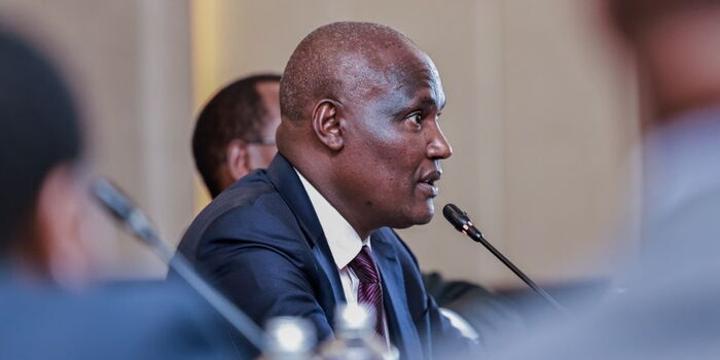
CC John Mbadi, in a notice issued on Wednesday, said the government is seeking broad public participation on economic policy, expenditure priorities, and tax measures aimed at supporting inclusive growth and the Bottom-Up Economic Transformation Agenda (BETA).
Among the measures that the Treasury now wants Kenyans to propose are practical interventions on reducing the cost of living, enhancing food security, and expanding opportunities for youth and women.
Additionally, in line with key infrastructural projects that President William Ruto has in the pipeline, the Treasury has also asked Kenyans to propose ideas for strengthening human capital, improving infrastructure, and promoting macroeconomic stability.
Further, the Treasury also wants ideas on boosting domestic revenue collection, widening the tax base, improving compliance, and ensuring prudent fiscal management while minimising pressure on households and businesses.
“In this respect, please share specific or general tips for the FY 2026/27 Budget Statement to the email [email protected] with a copy to [email protected]. Please share your tips or suggestions with the National Treasury by the close of business on 8th May, 2026,” Mbadi said in his notice.
The consultation comes as the Treasury finalises key fiscal policy decisions that will feed into the upcoming Finance Bill 2026, which will guide taxation and spending priorities for the next financial year.
For a better part of the last quarter of 2025, there have been proposals by both President William Ruto and CS Mbadi on proposals to make changes to taxation policies, among them a significant reduction in pay-as-you-earn taxes (PAYE).
However, despite earlier indications that the same would be done through legislative amendments, Mbadi told the National Assembly’s Budget and Appropriations Committee on March 31 that the government had dropped plans to table a standalone Tax Laws (Amendment) Bill, opting instead to merge all tax proposals into the Finance Bill 2026.
He explained that the decision was driven by tight timelines ahead of the Finance Bill, saying a separate bill would have been impractical so close to the main budget legislation process.
The move effectively consolidated tax proposals expected to raise about Ksh57 billion into a single legislative framework under the Finance Bill.
Some of the earlier proposals had included adjustments to PAYE bands, including a 0 per cent rate for incomes up to Ksh30,000 and revised taxation for higher income brackets, sparking debate among financial analysts and stakeholders.
Kenya’s budgetary process has increasingly emphasized public participation, reflecting a commitment to inclusive governance. The Treasury’s invitation for ideas aligns with the government’s broader economic strategy, which seeks to address pressing issues such as the cost of living and youth unemployment. This approach aims to ensure that the budget reflects the needs and priorities of all Kenyans, fostering a sense of ownership and accountability in fiscal management. Historically, budget consultations have evolved to incorporate diverse stakeholder perspectives, enhancing transparency and responsiveness in government spending.