
What You Need to Know
Kenya has adopted a Government-to-Government (G-to-G) fuel import model to address fuel shortages and stabilize prices. Government spokesperson Isaac Mwaura highlighted that this shift was a response to the 2022 fuel crisis, which included volatile prices and a shortage of US dollars. The G-to-G model allows direct procurement from major oil producers, ensuring a more reliable fuel supply and cost
Africa-Press – Kenya. Government Spokesperson Isaac Mwaura has explained why Kenya adopted the Government-to-Government (G-to-G) fuel import model, linking the shift to the severe fuel crisis the country faced in 2022.
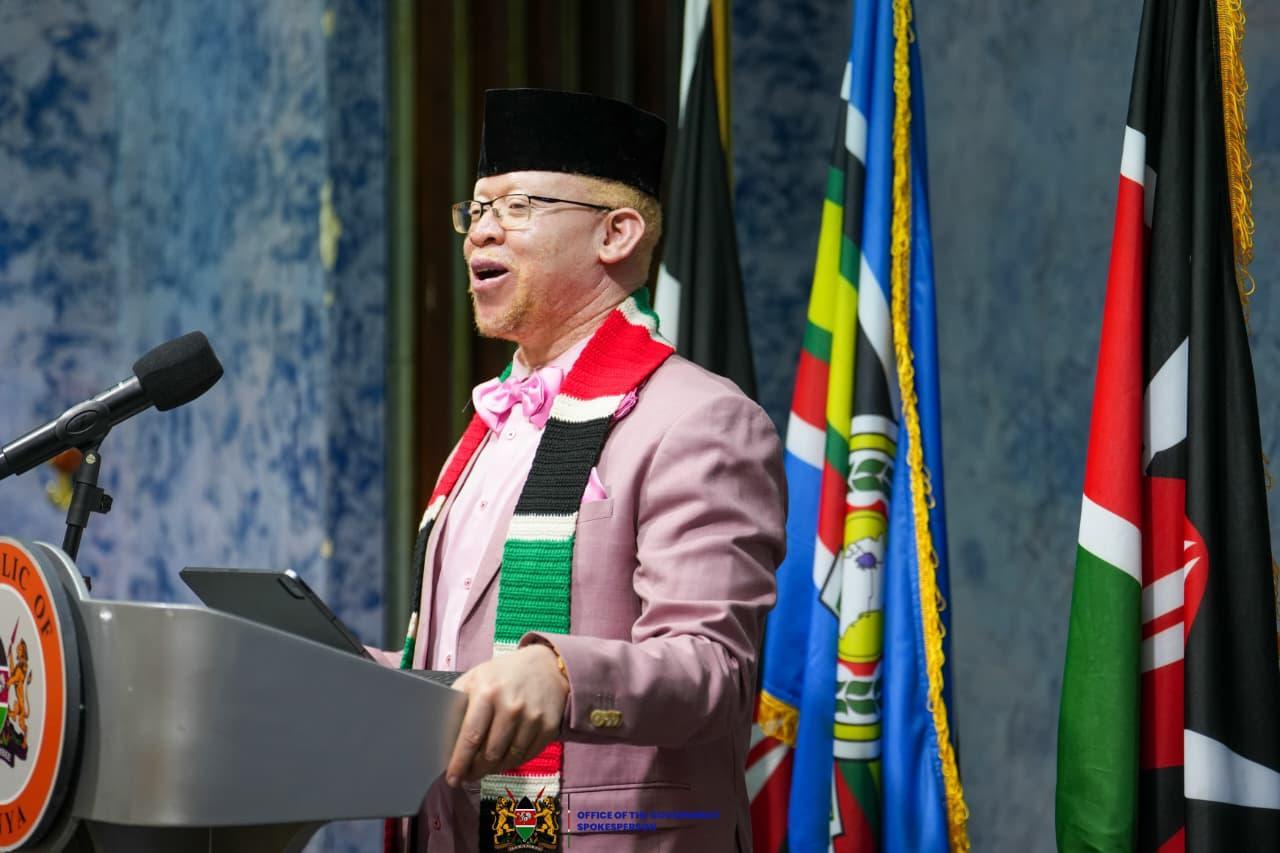
Speaking on Thursday at Harambee Annex in Nairobi, Mwaura said the policy change was a direct response to widespread fuel shortages, volatile pump prices, and a crippling shortage of US dollars that had disrupted imports at the time.
According to Mwaura, the previous system of spot buying had exposed the country to manipulation by some market players, resulting in artificial shortages and increased demand for foreign currency.
“The government adopted the G-to-G fuel import model as a direct response to the crisis it inherited in 2022,” Mwaura said.
“At the time, Kenya was grappling with fuel shortages, volatile prices, and a severe shortage of US dollars needed for imports. The spot buying system allowed manipulation, creating artificial shortages and driving up demand for foreign exchange.”
Under the G-to-G arrangement, Kenya procures fuel directly from major international oil producers, including Saudi Aramco, Abu Dhabi National Oil Company (ADNOC), and Emirates National Oil Company (ENOC), effectively eliminating intermediaries in the supply chain.
Mwaura said this model enables the government to negotiate prices in advance and plan shipments in a structured manner, ensuring a more stable and predictable fuel supply.
“This approach allows the government to negotiate prices in advance and schedule imports in a structured manner, ultimately bringing stability, predictability, and better planning to Kenya’s fuel supply chain,” he said.
He noted that since its introduction, the G-to-G programme has delivered a steady and reliable supply of fuel across the country, with other nations now looking to Kenya’s model as a benchmark.
Mwaura added that the system has eliminated artificial shortages and reduced pressure on the US dollar by ending speculative spot purchases that previously strained the foreign exchange market.
“These improvements have contributed to a stronger Kenyan shilling, lower inflation, and increased foreign exchange reserves,” he said.
“As a result, claims suggesting the G-to-G arrangement has not benefited Kenyans are misleading.”
The spokesperson also addressed concerns surrounding the controversial MV Paloma fuel shipment. He said the government deliberately excluded the cargo from pricing calculations to shield consumers from higher costs.
“Under the G-to-G framework, fuel prices have generally been secured at significantly lower rates. The MV Paloma shipment was an outlier and was excluded from pricing computations to protect consumers,” Mwaura said.
Beyond explaining the shift to G-to-G imports, Mwaura outlined a series of measures the government has implemented to cushion Kenyans from rising global fuel prices.
He said the state has intervened to prevent diesel prices from exceeding Sh230 per litre, amid sustained pressure in international oil markets.
“We have stepped in to ensure that diesel prices do not go beyond Sh230 per litre,” he said.
Among the key interventions, Mwaura cited the deployment of a Sh6.2 billion stabilisation fund through the Petroleum Development Levy to absorb part of the cost increases.
He also pointed to the recent reduction of Value Added Tax (VAT) on petroleum products from 16 per cent to 8 per cent, which has directly lowered pump prices for both petrol and diesel.
“In addition, the Government has temporarily reduced VAT from 16 per cent to 8 per cent, a move that has directly lowered pump prices,” he said.
Mwaura further confirmed that a fuel subsidy remains in place to moderate prices, even as the government balances the need to maintain critical revenue streams.
He defended the continued application of fuel levies, noting that they play a crucial role in financing infrastructure projects, particularly road development, which in turn reduces long-term transport costs.
“While fuel levies remain in place, they are critical for funding infrastructure development, including road projects that ultimately reduce transport costs and support economic growth,” he said.
The G-to-G fuel import model has been a central pillar of the government’s strategy to stabilise the energy sector, especially at a time when global oil prices and exchange rate pressures continue to influence local pump prices.
Mwaura maintained that the policy shift has helped Kenya transition from a period of supply uncertainty to a more stable and predictable fuel regime.
He reiterated that the government remains committed to shielding consumers from external shocks while ensuring sustainable management of the country’s fuel supply chain.
“The Government remains committed to protecting consumers while ensuring stability in fuel supply,” Mwaura said.
As global energy markets remain volatile, the success of the G-to-G model and the effectiveness of ongoing interventions are likely to remain under close scrutiny from both consumers and industry stakeholders.
In 2022, Kenya faced a significant fuel crisis characterized by shortages and fluctuating prices, largely due to a reliance on spot buying, which left the market vulnerable to manipulation. The government’s response was to implement a G-to-G fuel import model, allowing direct procurement from international oil producers, thereby stabilizing the supply chain and reducing the impact of speculative trading on fuel prices. This strategic shift aimed to enhance the predictability and reliability of fuel availability in the country.