What You Need to Know
The Ministry of Law and Justice in Lesotho has announced plans to expand food production in correctional institutions, requiring 700 hectares of land for the 2026/2027 financial year. Minister Richard Ramoeletsi presented a budget request of M398,278,445 to support this initiative, which aims to cultivate maize, beans, and sorghum to address food shortages. The budget will also cover uniforms and
Africa-Press – Lesotho. The Ministry of Law and Justice says it requires at least 700 hectares of land to increase food production in correctional institutions during the 2026/2027 financial year.
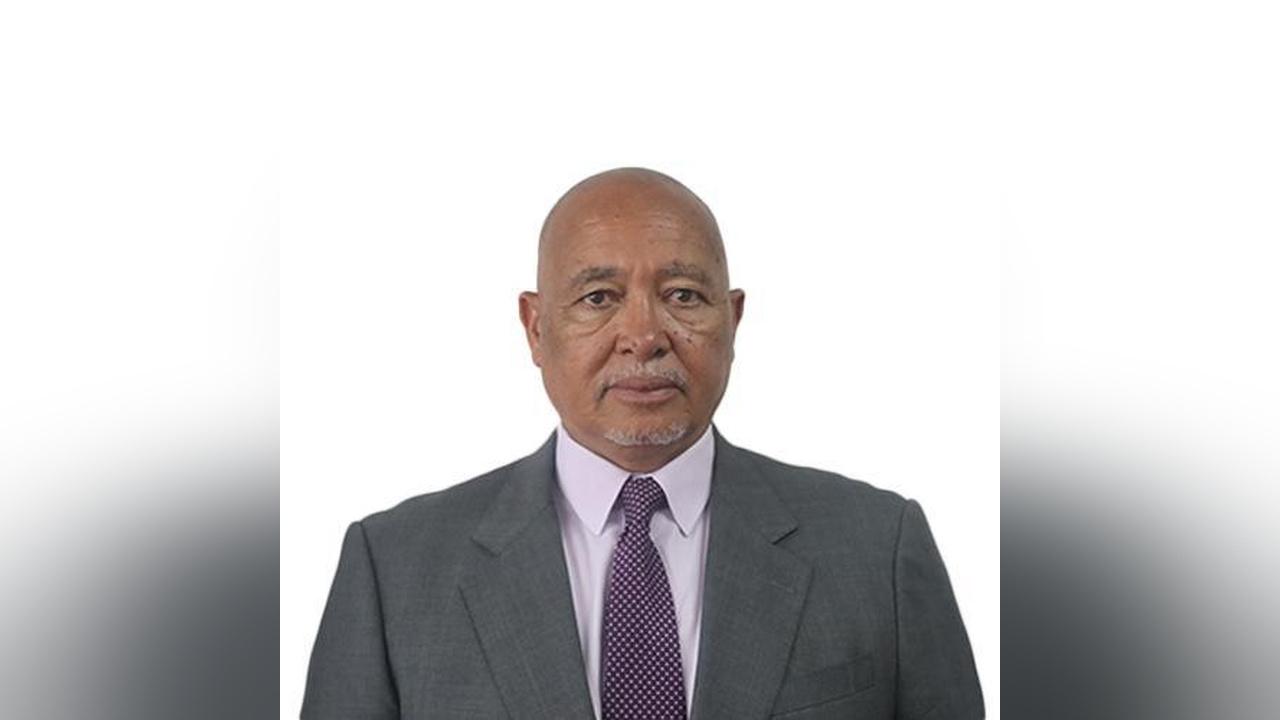
Presenting his ministry’s budget before the Committee of Supply in the National Assembly, Minister of Law and Justice, Mr. Richard Ramoeletsi, requested a recurrent budget of M398,278,445 to support its operations.
Mr. Ramoeletsi indicated that the ministry previously cultivated only 300 hectares of maize in Peka, Ha Makhoathi and Maphutseng through block farming. He noted the need to expand production to include maize, beans and sorghum in order to address persistent food shortages reported in correctional facilities.
He also highlighted ongoing challenges regarding uniforms for inmates and Lesotho Correctional Service (LCS) officers even though about 700 uniforms have been produced, more are still needed. He explained that the uniforms are made by inmates under skills transfer programme.
In addition, the minister said the ministry plans to procure more blankets and mattresses for inmates and undertake rehabilitation of correctional institutions in Teyateyaneng, Qacha’s Nek, Quthing, Mokhotlong and Botha-Bothe.
Mr. Ramoeletsi noted that the requested budget will cover compensation of employees, transport, operational costs and other expenses across the ministry’s 12 departments.
Meanwhile, Members of Parliament approved the request, allocating the full amount of M398,278,445 to the ministry.
Lesotho’s correctional institutions have faced ongoing challenges related to food production and inmate welfare. Historically, these facilities have struggled with food shortages, prompting the government to seek solutions through agricultural initiatives. The Ministry of Law and Justice is now focusing on expanding land use for crop cultivation to improve self-sufficiency and enhance the living conditions of inmates. This move reflects a broader commitment to reforming the correctional system and addressing the needs of both inmates and staff.