Africa-Press – Lesotho. The Confederation of African Football (CAF) is under intensifying pressure following controversy surrounding the 2025 Africa Cup of Nations (AFCON) final, with fresh scrutiny directed at its leadership and refereeing structures.
At the centre of the storm is CAF president Patrice Motsepe and the organisation’s referees’ chief Olivier Safari, amid allegations that could have far-reaching implications for officiating integrity across African football.
Claims have emerged that Safari intervened during the AFCON final to prevent the match referee from issuing yellow cards at a critical moment in the game.
If substantiated, the alleged directive would represent a serious breach of refereeing independence and raise fundamental questions about governance within CAF.
The controversy has unsettled fans, football officials and analysts, fuelling debate over transparency and accountability in the continental body.
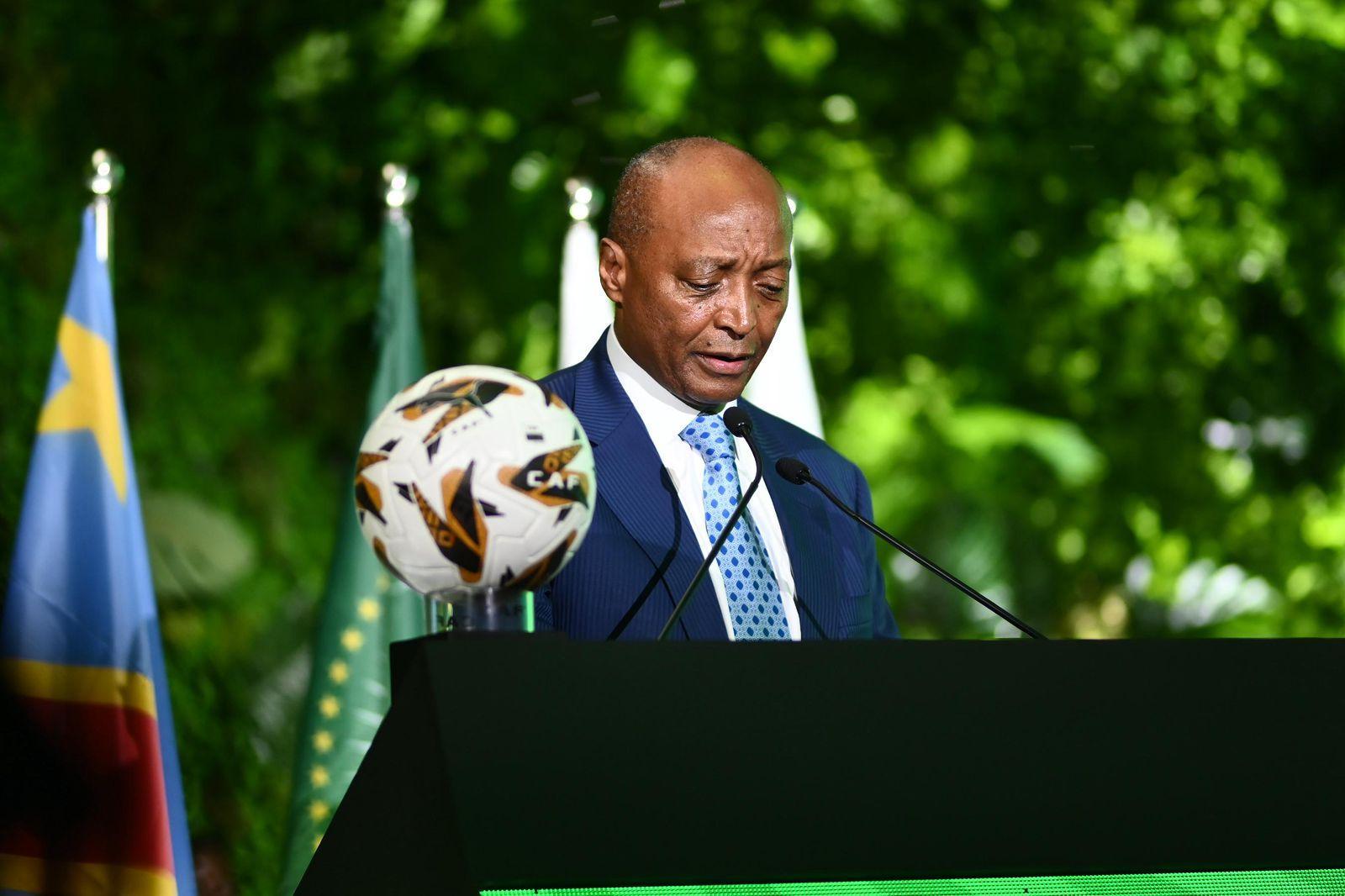
Speaking in Dakar, Motsepe declined to directly address the allegations, instead deferring to CAF’s administrative leadership in remarks that have drawn criticism.
“Mr Secretary General, please answer this question… throw yourself into the fire. Did you hear the question?” he said when pressed by journalists.
CAF Secretary-General Samson Adamu confirmed that the matter remains under review, but stopped short of outlining any timeline for a decision.
“Yes, your question concerns whether CAF will suspend or take any action against Olivier Safari. As the president indicated, CAF is following due process until a final decision is reached,” Adamu said. “At this stage, no decision has been taken.”
The dispute stems from a dramatic and chaotic AFCON final between Morocco and Senegal.
Senegal initially appeared to have secured a 1-0 victory after extra time, with midfielder Pape Alassane Gueye scoring what seemed to be the decisive goal.
However, the match descended into controversy following a late incident in which Senegal’s players briefly walked off the pitch in protest after Morocco were awarded a penalty.
The stoppage disrupted the flow of the game before play eventually resumed under referee Jean-Jacques Ndala. Morocco failed to convert the penalty before Gueye’s goal.
In a dramatic reversal two months later, CAF’s Appeals Board annulled the result and awarded Morocco a 3-0 victory, stripping Senegal of the title — a decision that has since intensified scrutiny of both officiating decisions and CAF’s internal processes.
Central to Morocco’s successful appeal were reports that Safari acknowledged “institutional instructions” had been issued during the stoppage, allegedly directing the referee not to caution Senegal’s players to ensure the match could continue.
The fallout has cast a long shadow over the credibility of the tournament and raised broader concerns about the independence of match officials within CAF competitions.
Senegal has since escalated the dispute to the Court of Arbitration for Sport, moving the matter beyond CAF’s jurisdiction and into the global legal arena.
As the case unfolds, pressure continues to mount on CAF to deliver a transparent and credible resolution to a controversy that threatens to undermine confidence in African football’s governing structures.