Africa-Press – Lesotho. Following the announcement by the Minister of Finance and Development Planning, Dr. Rets’elisitsoe Matlanyane, of a salary increment for chiefs in the 2026/27 budget speech on Wednesday, reactions from Qacha’s Nek chiefs have been mixed.
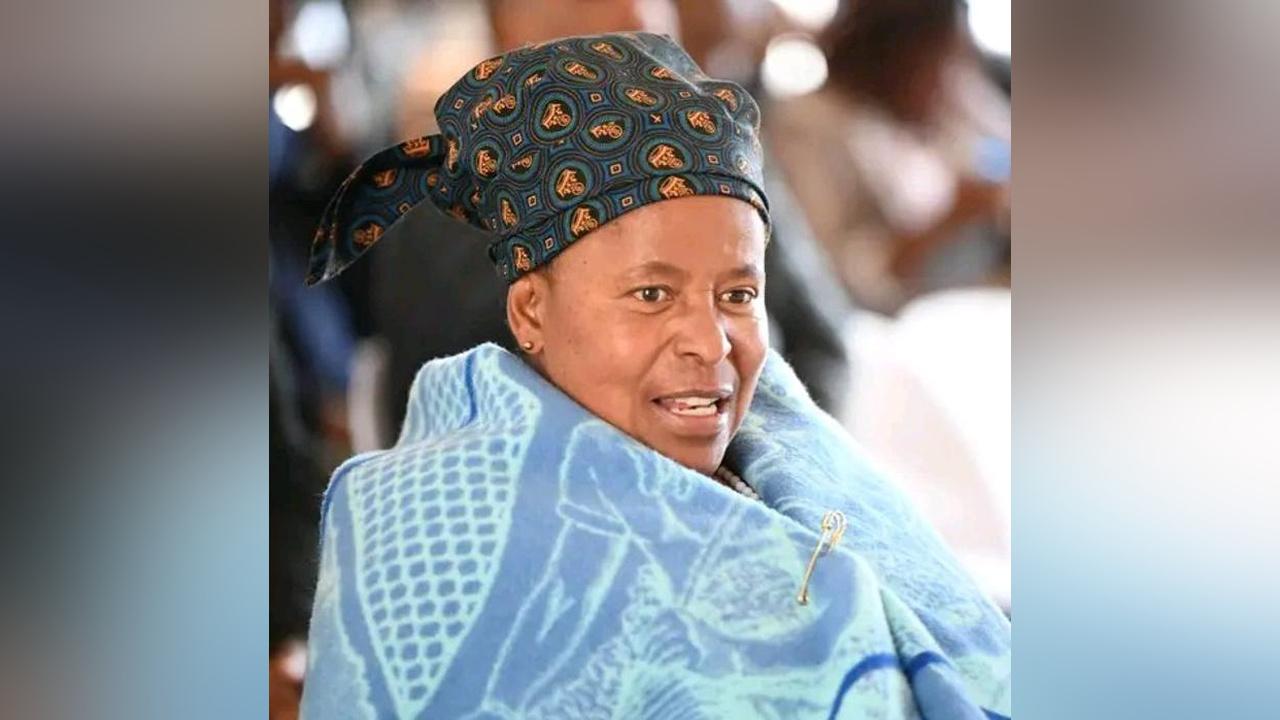
In an interview with the Agency on Friday, Ha Mpiti Chieftainess ’Malets’ela Mpiti expressed excitement, calling the move “long overdue.”
“We are thankful because we work tirelessly, often through sleepless nights, and for years we have been neglected,” she said, adding, “we are looking forward to the new financial year.”
She, however, hopes that those earning less than M2,000 will receive at least M4,000.
Chief Makoko Makoae of Patlong, Ha Sekake, echoed similar sentiments. “We are very happy as chiefs because this salary increment addresses our long-standing concerns. We felt neglected even though we serve the public at night, prevent criminal activities, and at times risk our lives intervening in disputes. All the chiefs I spoke with share this satisfaction.”
Yet, Chief Makoae believes the adjustment could go further, suggesting that the lowest-ranking headman earn M6,000 while the highest chief receives M25,000, reflecting the demands and responsibilities of their roles.
“But what has been done is better than nothing, and we understand that ‘khomo ha likae batho re bangata’,” he added.
Ha-Mosuoe Chieftainess ’Malireko Sehahle expressed cautious optimism. “It’s long overdue, and I will believe it when I see it,” she said, noting that while the proposed increment is still insufficient in today’s expensive economy, it is “better than nothing.”
She added that the M3,000 proposed for a headman still falls short of current demands but is an improvement from the previous M1,600.
Ha Mapote Chief Lets’abisa Moorosi described the increment as a “huge achievement,” highlighting the challenges chiefs face while working in often harsh and hostile environments.
“We don’t even get paid much to make this treatment at least worth it. The increment would provide some comfort,” he said, noting that his current salary of M1,900 should ideally rise to M4,000 for it to make a meaningful difference.
Currently, ungazetted headmen, numbering 2,166, earn M1,699 per month, with the proposed allowance being M3,124. Chief II, totaling 560 chiefs, currently earns M2,036, with the proposed increase to M3,712.
Chief I, numbering 268, earns M3,844, with a proposed new salary of M5,210, while area chiefs, 307 in total, will move from M4,545 to M8,153 per month. These categories align with civil service grades: the first two equivalent to Grade B, the third to Grade C, and the fourth to Grade D.
While the increment marks a long-awaited recognition of chiefs’ contributions, many leaders maintain that the adjustment is just a first step. The hope remains that future revisions will better reflect the challenges, responsibilities, and risks they face in serving their communities.