
By Motheba Tsunyane
MASERU – The Manager of Fresh Edge Farm, Mr. Liphoto Liphoto, says although he was previously unaware of the African Continental Free Trade Area (AfCFTA), he is eager to explore opportunities to export fresh vegetables under the agreement.
The African Continental Free Trade Area (AfCFTA) is a landmark economic initiative aimed at integrating African economies to boost intra-African trade, enhance economic growth and promote sustainable development. The agreement was adopted in March 2018 and entered into force on May 30, 2019. It seeks to establish a single market for goods and services, facilitate the movement of persons and lay the foundation for a future continental customs union.
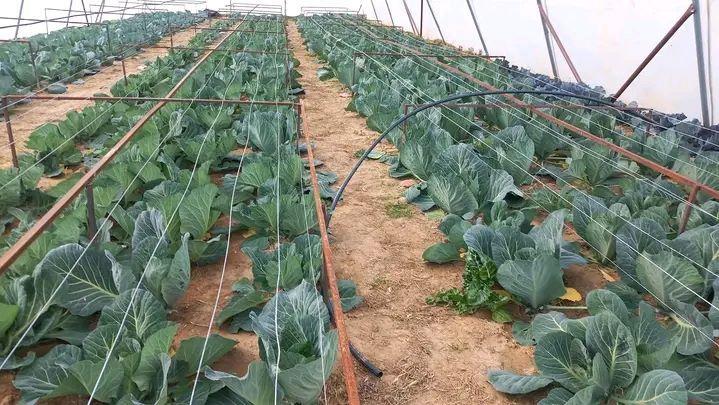
Mr. Liphoto said his farm, which commenced operations in 2024, employs 23 workers and produces vegetables such as cabbage, tomatoes and green peppers. The farm supplies major retailers including Shoprite and Pick n Pay, as well as street vendors, locally owned supermarkets, individual customers and schools.
He noted that small-scale farmers require government support to benefit from initiatives such as the AfCFTA, which he believes could stimulate growth for both local enterprises and the broader economy.
Moreover, Local Economist Mr. Moeti Mothibeli observed that Lesotho has traditionally focused on markets outside Africa, particularly in the United States and Europe, and has therefore not fully tapped into opportunities within the continent. He said a deliberate shift towards African markets would enable the country to identify products in demand across various countries and produce them competitively.
“For Lesotho to benefit from the AfCFTA, it must identify products it can produce more cheaply than other countries and export them competitively,” he said. “Trading within Africa could significantly reduce transport costs compared to exporting to Europe. For instance, transporting goods to Namibia would take only a few days.”
He explained that a free trade area implies the removal of tariffs among participating countries, making exports more affordable. Mr. Mothibeli further urged Lesotho to diversify its economy beyond textiles, highlighting wool as a high-quality and competitively priced product that could find markets within Africa.
He also stressed the need for the country to assess its comparative advantages and move away from reliance on traditional trade partners in Europe. Trading with neighbouring countries such as Eswatini, he said, would be more cost-effective as transactions are conducted in Rands, which circulate directly within the Southern African region.
On one hand, Ministry of Trade official Mr. Mpeshe Selebalo said the AfCFTA presents significant potential for Lesotho, particularly given its small domestic market. He said the agreement opens access to a continental market of more than 1.3 billion people and could enhance domestic revenue generation while addressing development financing needs.
“The AfCFTA can improve productivity in key sectors identified in Lesotho’s National Strategic Development Plan II, including agriculture, textiles and light manufacturing, where women and youth are actively involved,” he said.
Mr. Selebalo added that while the AfCFTA offers vast opportunities, fully capitalising on them requires a competitive and export-oriented private sector supported by access to finance, skills development and innovation. He acknowledged existing challenges, including limited understanding of trade rules and standards, but said the ministry has begun conducting sensitisation workshops for the private sector.
On the other hand, Afri-Expo Textiles Managing Director Mr. Teboho Kobeli expressed strong support for the AfCFTA, noting that the textile industry has potential to transform Lesotho’s economy. However, he cited limited financial support and inadequate understanding of the industry among Basotho as key constraints.
He said the Republic of South Africa presents an immediate and accessible market for local producers, including home-based entrepreneurs, and called for structured dialogue between traders and government ministries to improve awareness and participation in free trade initiatives.
Furthermore, the United Nations Development Programme (UNDP) has also underscored the transformative potential of the AfCFTA for Lesotho. According to the agency, strengthening industrial clusters and supporting micro, small and medium enterprises (MSMEs) could enhance competitiveness in the textile sub-sector and expand access to regional markets.
The World Bank estimates that full implementation of the AfCFTA could increase intra-African foreign direct investment by 68 percent and external investment by 122 percent, with Least Developed Countries such as Lesotho standing to benefit from job creation and industrial modernisation.
Meanwhile as of September 2024, all 54 African Union member states had signed the AfCFTA agreement, with 47 having ratified it, signalling broad continental commitment to economic integration.
While challenges remain, including limited resources and infrastructure constraints, stakeholders agree that the AfCFTA presents a strategic opportunity for Lesotho to diversify its exports, strengthen regional value chains and reposition its economy towards sustainable and inclusive growth.
Reports show that the African Continental Free Trade Area agreement had the potential to lift 30-million people out of extreme poverty and that it was expected to boost Africa’s income by $450-billlion by 2035, while adding about $76-billion to the income of the rest of the world.
The AfCFTA Agreement is not just a trade agreement, it is the economic and social cornerstone of the continent awaiting to globally integrate.
Ends/AT/ml