What You Need to Know
The Lesotho government, led by Prime Minister Ntsokoane Matekane, has announced a subsidy for fuel and essential goods to mitigate the impact of rising prices. The fuel levy will be removed for three months, with subsidies provided for petrol, paraffin, and diesel. Additionally, the list of zero-rated essential goods has been expanded to include bread, cooking oil, and fresh produce, aiming to aid
Africa-Press – Lesotho. The Right Honourable Prime Minister Ntsokoane Matekane announced that the government will subsidize fuel for all Basotho following proposed fuel hike due for commencement.
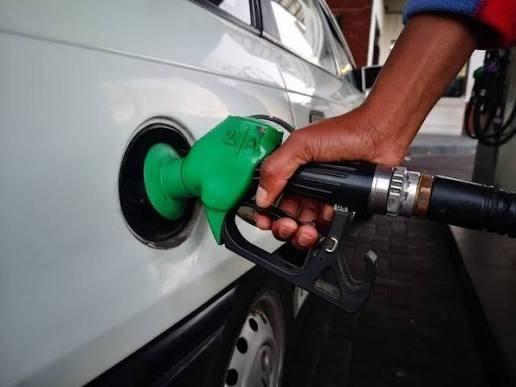
Government has moved to remove the fuel levy in full for a period of three (3) months, while continuing to closely monitor the situation. This intervention is aimed at cushioning consumers against the sharp increase in fuel prices.
The Prime Minister, clarified that the government will subsidize the nation to access fuel and paraffin, indicating that the ongoing Middle East war is the source of the struggle and the matter has affected the globe.
Meanwhile, he outlined that the price pump of petrol93 will increase by M6.70 per litre then government will give a subsidy of M2.00, hence the price will be M22.50.
He added that petrol95 will increase by M7.35 per litre while the state give a subsidy of M2.00 as well per litre to make it M23.30
Paraffin will increase by M13.00 then government will give a subsidy of M5.00 and retail at M21.30, While Diesel (50ppm) will increase by M13.10 and the state give a subsidy of M2.00 hence the price will be M30.50 per litre.
Furthermore, to offset the rising cost of living, Government has expanded the list of zero-rated (tax-free) essential goods, which now include bread, cooking oil (sunflower oil), fresh vegetables, and fresh fruits.
Lesotho has faced economic challenges exacerbated by global events, including conflicts in the Middle East that have impacted fuel prices. The government’s decision to subsidize fuel and expand essential goods aims to alleviate the financial burden on citizens. Historically, Lesotho’s economy has been vulnerable to external shocks, making such interventions critical for maintaining stability and supporting the population’s needs. The recent measures reflect a proactive approach to managing inflation and ensuring access to basic necessities.