What You Need to Know
Concerns are mounting in Lesotho over delays in appointing commissioners to the Independent Electoral Commission (IEC). The Democratic Congress (DC) and other parties warn that this vacuum threatens the electoral system’s integrity and could undermine upcoming local government elections. The situation has escalated to a constitutional crisis as the contracts of outgoing commissioners expire soon.
Africa-Press – Lesotho. Concerns over delays in the appointment of commissioners to the Independent Electoral Commission (IEC) have escalated sharply, with the Democratic Congress (DC), Lesotho’s official opposition party, joining earlier warnings by smaller parties that the vacuum threatens the constitutional functioning of the country’s electoral body.
In a strongly worded press statement issued this week, the DC said it was “profoundly concerned” by what it described as an unjustified and constitutionally troubling delay in finalising the appointment of three IEC commissioners.
“The continued failure to appoint IEC Commissioners threatens the integrity, legality and effective functioning of Lesotho’s electoral system,” the DC said.
The opposition party’s intervention follows similar concerns raised earlier by the Yean for Economic Sustainability (YES) party, which wrote to the Council of State urging it to advise His Majesty King Letsie III to proceed with the appointments in terms of section 66(4) of the Constitution.
“There is currently no legal impediment, court order or lawful restraint preventing the Council of State from proceeding to advise His Majesty the King to finalise the appointment of IEC Commissioners,” YES leader Molefi Ntsonyane said in the party’s letter.
The controversy stems from a recruitment process initiated in July 2025, when political parties registered with the IEC were invited to nominate candidates for appointment as commissioners. The Forum of Political Parties subsequently submitted five names to the Council of State, from which three commissioners are to be appointed.
The process stalled after two unsuccessful applicants, Tumisang Mosotho and Peshoane Tsikoane, challenged the selection process in court. Their application was dismissed by the Constitutional Court. Although they later indicated an intention to appeal, no application for a stay of execution or suspension of the judgment was filed.
“In law, an intention to appeal does not suspend the operation of a valid court judgment,” the DC said, arguing that the legal path for appointments has long been clear.
The matter has gained urgency as the contracts of the outgoing IEC commissioners expire at the end of December 2025, creating a leadership vacuum from 1 January 2026.
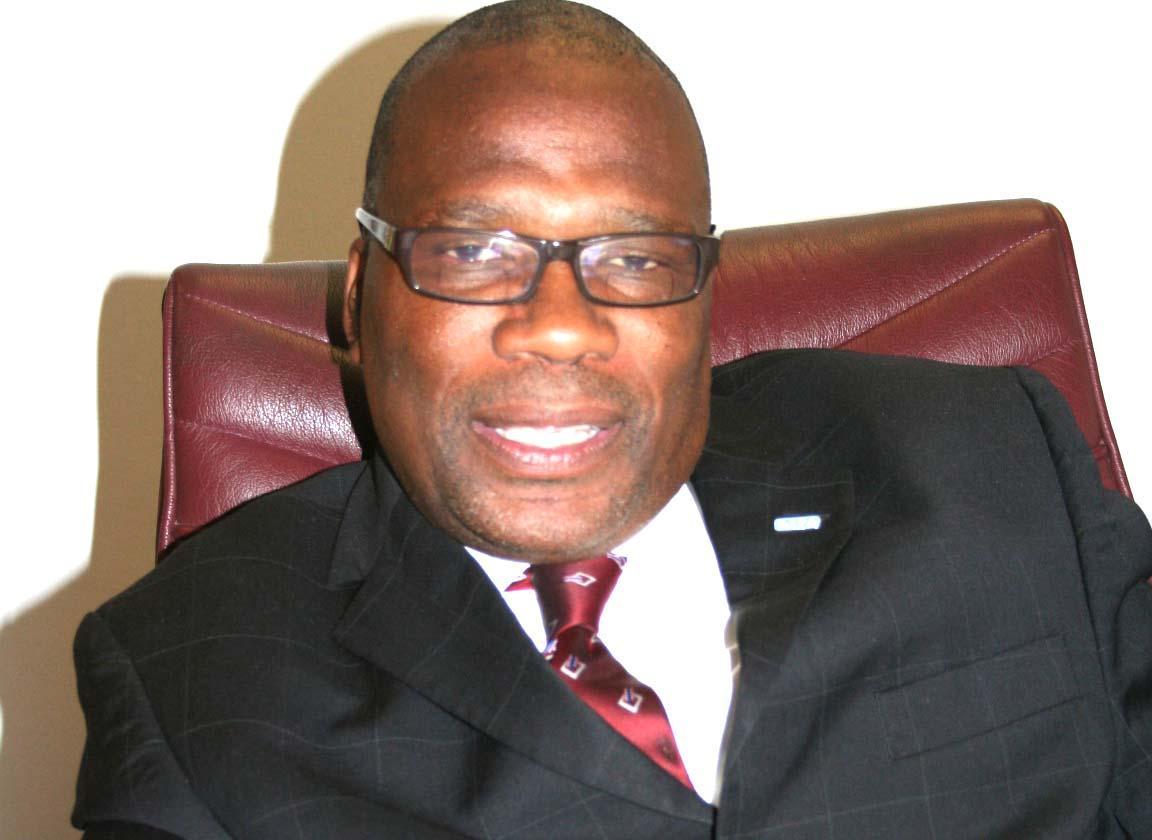
In a recent interview with the Lesotho Times, outgoing IEC chairperson Mphasa Mokhochane warned that the absence of commissioners would paralyse the Commission.
“Any absence of commissioners at the IEC is a grave mistake that should not be repeated,” Mokhochane said, cautioning that the Secretariat cannot lawfully exercise powers reserved for commissioners.
The DC echoed this concern, warning that the vacuum undermines the independence and authority of the IEC and exposes officials to legal vulnerability.
“The Constitution vests direction, control and decision-making authority of the IEC in its Commissioners, not in its Secretariat,” the DC said, adding that the situation compromises electoral preparedness, dispute resolution and institutional governance.
Both DC and YES have warned that the delay could frustrate upcoming local government by-elections in several electoral divisions where councillors have died and need to be replaced.
“This matter is of national urgency,” YES said, arguing that continued delays risk undermining constitutional governance and eroding public confidence in democratic institutions.
The DC further invoked regional and international standards, noting that African Union, SADC and United Nations principles require electoral management bodies to be independent, properly constituted at all times and operationally continuous between electoral cycles.
With pressure now coming from both minor parties and the official opposition, attention has turned to the Council of State, which has yet to publicly explain the continued delay. Efforts by the Lesotho Times to obtain comment from the Council of State were unsuccessful.
As the end of the year approaches, the growing consensus across the political spectrum is that the delay in appointing IEC commissioners has moved beyond administrative caution and now poses a serious constitutional and democratic risk.
The Independent Electoral Commission (IEC) of Lesotho plays a crucial role in overseeing the country’s electoral processes. Established to ensure free and fair elections, the IEC’s effectiveness relies heavily on the timely appointment of its commissioners. Delays in these appointments can lead to significant disruptions in the electoral cycle, affecting public trust in democratic institutions.
In recent years, Lesotho has faced political instability, often marked by disputes over electoral management and governance. The current situation reflects ongoing tensions among political parties and highlights the importance of maintaining an independent and functional electoral body to uphold the