By
Hon. Conrad Sackey
Africa-Press – Lesotho. This year marks a critical juncture for the global realisation of the right to education.
In just three weeks, we will start the final four-year countdown to 2030, when the Sustainable Development Goals (SDGs) should have been achieved. That includes SDG 4, which calls for inclusive, equitable, and quality education and lifelong learning opportunities for all.
At the heart of the commitment to lifelong learning was the recognition that free primary education alone is insufficient to prepare children to succeed in today’s world.
Early learning opportunities create vital foundations
Early childhood learning has profound long-term benefits for children’s cognitive and social development, educational attainment, health, and employment prospects. It’s also a powerful equaliser. It can narrow early achievement gaps for children from disadvantaged households and place them on a more equal footing with better-off peers.
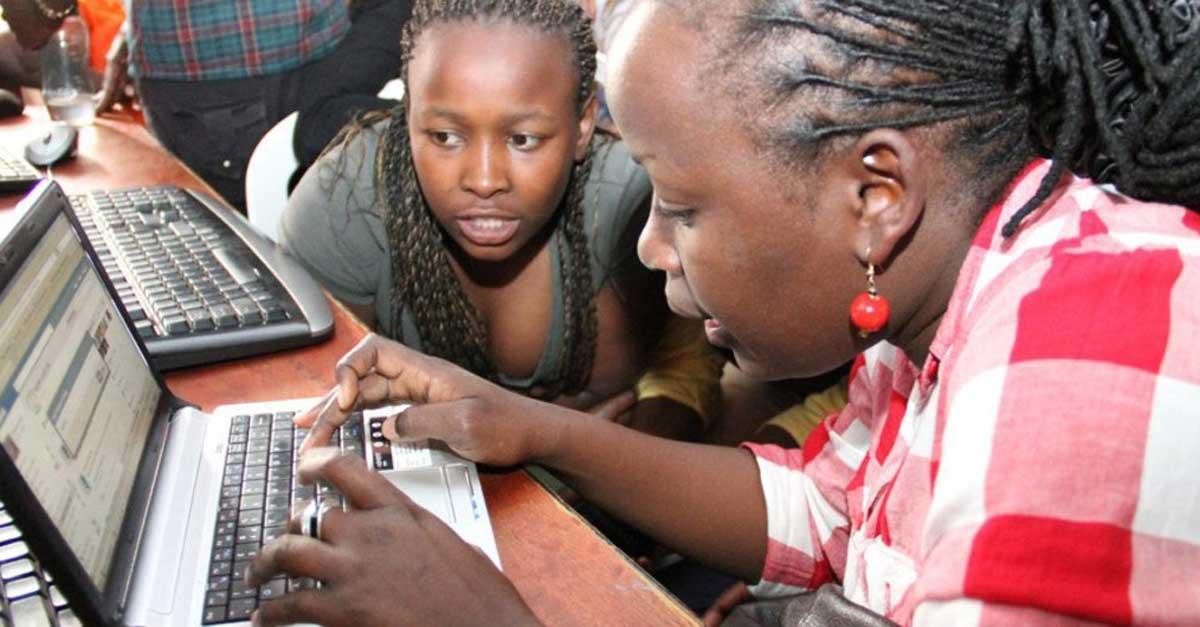
Giving children access to quality early childhood care and pre-primary education can help get them ready to learn in primary school, supporting them to acquire vital early literacy and numeracy skills.
Despite these benefits, nearly half of all children miss out on early childhood education. In low-income countries, just one in five children has access to preschool.
Secondary education is the key to unlocking more and better human capital
Secondary education is also increasingly important for success in today’s world. Children with secondary education are more likely to find work as adults, earn more, and escape or avoid poverty.
The inclusion in the SDGs of both early childhood and secondary education reflects a broad international consensus that they are essential to children’s development and national progress.
Unfortunately, this consensus is not adequately reflected in international human rights law.
Strengthening children’s right to education
Existing international law guarantees children free and compulsory primary education. However, the Convention on the Rights of the Child (CRC) says nothing explicit about early childhood education. Nor does it require states to guarantee every child free secondary education.
While the SDGs are significant political commitments, they do not have the force of law. Countries report on their progress through voluntary national reviews, with no formal mechanism for children to claim redress if governments fail to deliver, nor a plan for ensuring progress beyond the year 2030.
Better legal protection, monitoring and realisation
A strong and clear legal standard in a human rights instrument would have the force of law, be subject to independent monitoring mechanisms, and need not be limited to a specific time period.
This is why Sierra Leone, Luxembourg, and the Dominican Republic moved a resoultion at the UN Human Rights Council calling for the development of a new human rights treaty that makes early years, pre-primary, and secondary education an undeniable part of the right to education.
I am delighted that the resolution was co-sponsored by 49 additional states and that significant progress was achieved during consultations on the initiative in Geneva earlier this year.
The power of international law to effect change
I am under no illusion that a new human rights instrument will offer a panacea to the challenges many states face in delivering a quality education to children. In fact, some people argue that international law in general—and international human rights law in particular—has had its day.
It’s true that the international human rights regime faces significant challenges and serious threats. But universal human rights laws and practices still have a central part to play in defending and advancing human dignity.
International human rights law has shaped legal and public understandings of human dignity and non-discrimination, resulting in improved rights for individuals, including women, children, persons with disabilities, minorities, and other vulnerable groups. Billions of people now possess rights that protect them from practices that had long been common in many societies.
For example, in the decade following the adoption of the Optional Protocol to the Convention on the Rights of the Child on the involvement of children in armed conflict, nearly twenty countries, including Sierra Leone, adopted or amended national legislation to raise their minimum age of voluntary recruitment to at least 18.
Human rights treaties can and do influence policy and practice. They also help build political will to ensure that the rights they set out can be enjoyed in practice.
Affirming our commitment to education
As the due date of the SDGs approaches, there is still a wide gap between what we committed to and what we have achieved.
Supporting this new human rights treaty, which will make it clear that the right to education includes learning both before and beyond primary school, is an important way to commit to closing that gap.
It will also provide a much-needed signal that international cooperation to advance human rights is still viable.
So on International Human Rights Day, I urge other UN member states to join Sierra Leone and the other countries supporting an Optional Protocol on the right to education, to ensure that every child has the opportunity to receive a quality, free pre-primary and secondary education.
moderndiplomacy