What You Need to Know
The High Court of Lesotho has ruled that Justice Ts’eliso Monaphathi can continue to serve as a judge to finalize pending cases. This decision follows a challenge against the Chief Justice’s withholding of his terminal benefits. The court emphasized the importance of completing these cases, highlighting concerns over delays in justice delivery.
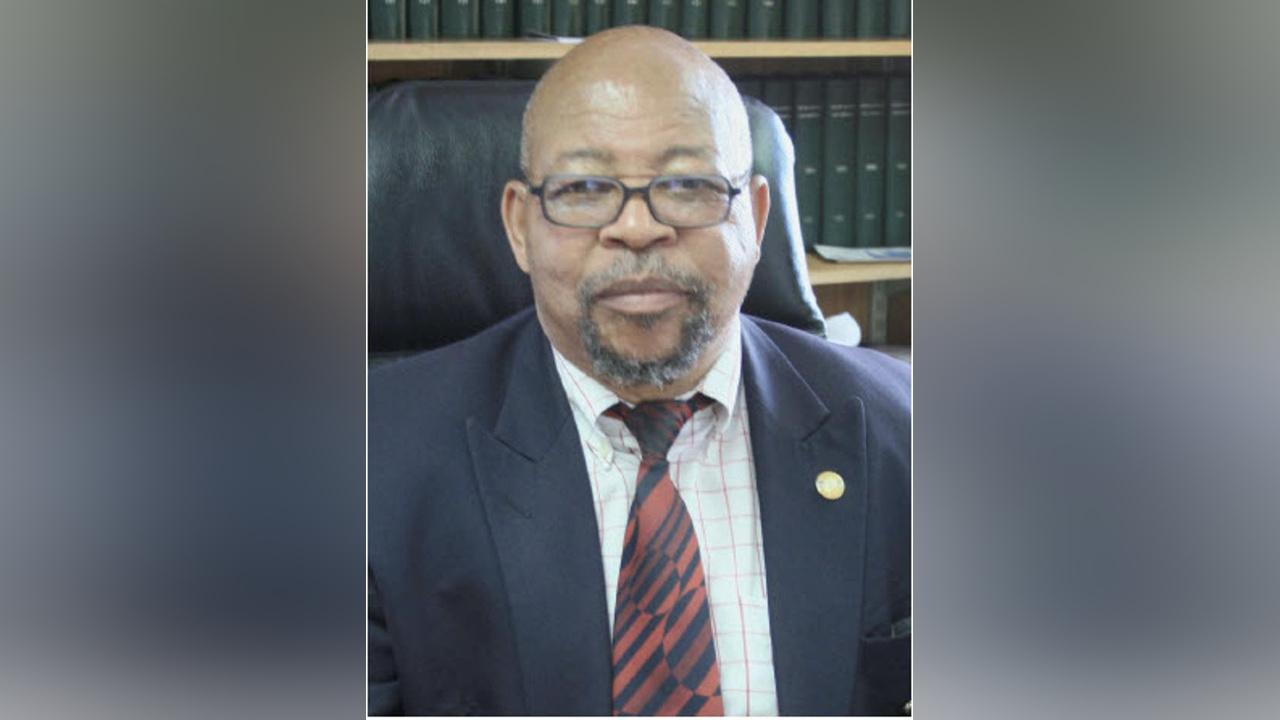
Africa-Press – Lesotho. The High Court sitting as the Constitutional Court has ordered that Justice Ts’eliso Monaphathi be afforded all the privileges of the office of a puisne judge pending completion of matters before him.
The order comes after the judge approached the court challenging a decision by the Chief Justice to withhold his terminal benefits.
The Court stated that Justice Monaphathi does not have the discretion to decide whether to continue or not. It emphasised that it is necessary that he continues to finalise his pending cases adding that he cannot access his pension before he completes them.
“Should he decide to continue as per the Constitutional imperative of section 121 (2), he should be entitled to a salary or the benefits he earned at the time when he attained the retirement age,” said the court.
According to section 121 (1) of the Constitution, ‘a person holding the office of Chief Justice and another judge of the High Court shall vacate that office when he attains the prescribed age’, which is 75 years.
Subsection 2 provides: ‘ a person holding the office of the Chief Justice or other judge of the High Court may continue in office for so long after attaining that age as may be necessary to enable him to deliver judgments or to do any other thing in relation to proceedings that were commenced before he attained that age.’
The Constitutional Court has described the case as ‘regrettable’ because litigants have waited for decades to obtain justice. It stated that the ‘notable and laudable efforts by the Chief Justice to turn around the ugly face in the High Court of the Kingdom should be supported and met with much appreciation’.
The Court remarked, “in many jurisdictions, applicants would have long been hauled before disciplinary measures and when found guilty recommended for removal as a judge.”
It pointed out that Justice Monaphathi has failed to discharge his Constitutional duties. It added that his understanding of the independence of the judiciary is misplaced. It further added that his claim that he served honourably is brazen, considering the number of cases he accumulated during his tenure as the judge.
The Court emphasised that much of the blame is attributed to the applicant. It indicated that there is no evidence of his commitment to finalise his pending cases.
” We do not believe that the applicant accumulated all these reserved judgments and part-heard matters because of a shortage of judges. His conduct could be deliberate obstructionism or sheer laxity or unjustifiable or inexplicable inaction or some ulterior motive,” the Court said.
When he motivated the application, legal representative for the applicant Advocate Mocheta Makara had stated that the courts were understaffed, judges overworked and under-resourced therefore it was difficult for the applicant to finalise all cases before him. He pointed out that the Chief Justice refused to provide the applicant with resources to continue to work as provided for under section 121 of the Constitution.
He pointed out that the applicant has reached his mandatory age of retirement therefore he deserves his benefits. He added that he has a discretion to decide whether to continue to be in office after retirement age or not.
Adv. Makara argued that the Chief Justice could have disciplined the applicant or invoked impeachment if he believed he was neglecting his duties. He pointed out that section 151 of the Constitution which talks about the power to withhold pension, was not complied with, adding that the Chief Justice has no powers to withhold the benefits of the applicant.
In opposing the application, Adv. Rudie Cronje stated that the public expects judges and courts to deliver justice. He pointed out that the applicant took an oath to serve and that he will do his work to finality.
” It can never be that a judge has the discretion to work post 75 years” he argued, adding that the applicant is duty bound to complete his work. He pointed out that the code of ethics for judges demands that judges must deliver judgments within three months. He stated that judges have to account for their work and deliver judgments.
The case was before Acting Justices Mankhambira Mkandiwire of Malawi, Sylvester Salufu Mainga of Namibia and David Mangota of Zimbabwe.
The judiciary in Lesotho has faced significant challenges, including understaffing and resource shortages, impacting the timely delivery of justice. The Constitution allows judges to continue serving past retirement age to ensure the completion of pending cases, reflecting the importance of judicial efficiency in the country. The case of Justice Monaphathi underscores ongoing tensions within the judiciary regarding accountability and the fulfillment of constitutional duties, as litigants await resolutions to long-standing legal matters.