What You Need to Know
Motorists in Maseru formed long queues at petrol stations as they rushed to purchase fuel before a midnight price hike. Many stations closed early, leading to suspicions of stockpiling by operators. The situation has raised concerns about artificial scarcity and public anger, as households stock up on essential fuels like paraffin ahead of the price increase.
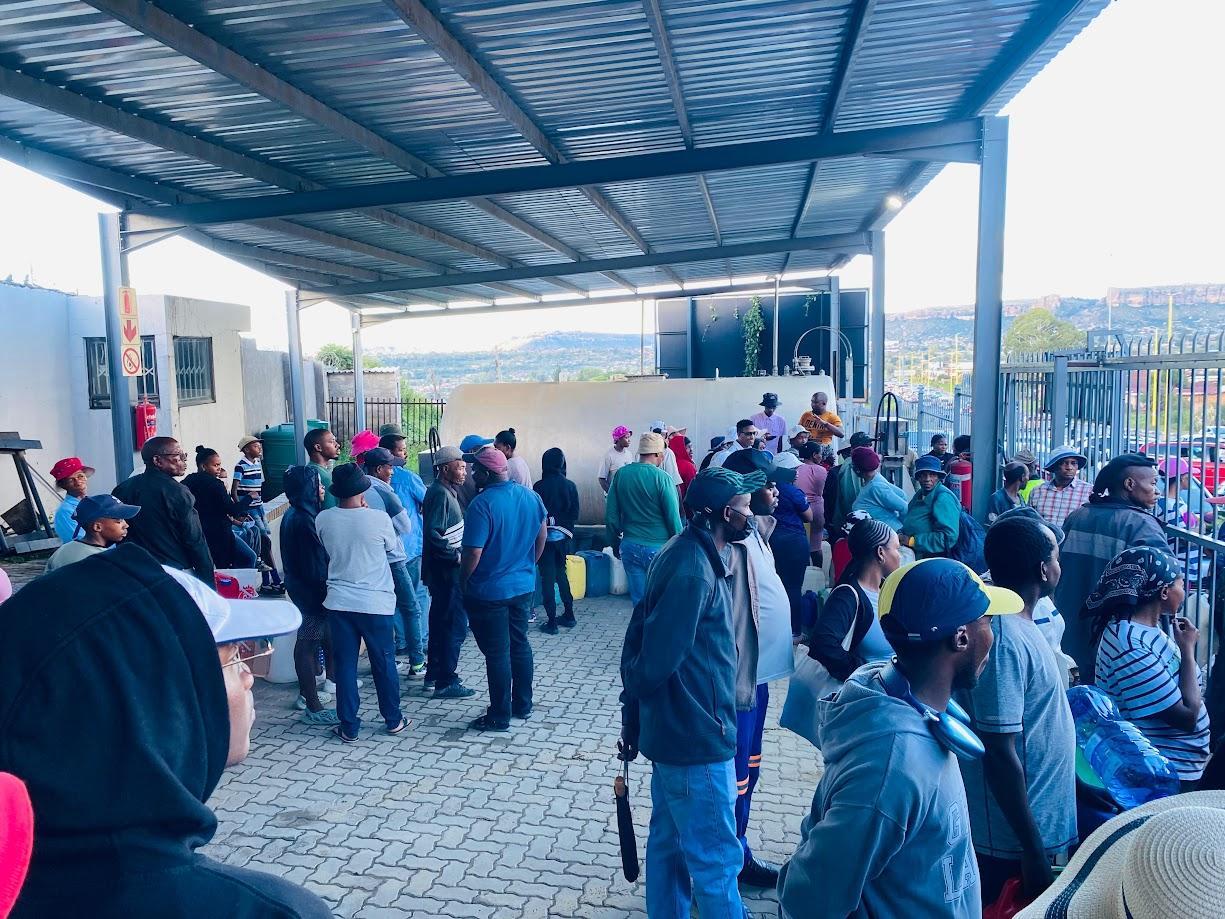
Africa-Press – Lesotho. Long queues formed at petrol stations across Maseru on Monday evening and Tuesday morning as motorists and households rushed to buy petrol and paraffin before an announced price increase takes effect on Wednesday morning.
By late evening many filling stations had abruptly closed, with attendants saying they had run out of fuel, a claim that motorists and local traders say is suspicious.
“At first there were only a few cars, then dozens. People were panic-buying,” said one commuter, Mr. Retselisitsoe Kolane who waited in a queue for nearly two hours.
“Then some stations simply shut their gates and put up a ‘no fuel’ notice. They didn’t serve anyone after that,” he said.
Witnesses at several urban and peri-urban forecourts reported similar scenes, pumps locked, station staff directing customers away, and attendants telling customers they had exhausted stocks. In at least two locations, station managers said supply problems prevented sales, in others employees declined to comment.
But motorists who remained at closed stations and nearby suppliers suspect a different motive. Traders and customers allege some operators are holding back remaining fuel until after the midnight price increase so they can restock their tanks at the current price but sell the last litres tomorrow at the higher rate.
“It looks like they are saving stock to sell at the new price. If a station sells out now and the price jumps, they can make more profit by selling the same fuel tomorrow,” said Mr. Thabo Lesoetsa, a taxi operator.
Industry sources and economists caution that while temporary supply disruptions and delivery timing can explain isolated closures, coordinated or widespread temporary shutdowns ahead of a known price rise can create artificial scarcity and push consumers into panic buying, worsening shortages and sparking public anger.
A local fuel trader, speaking on condition of anonymity, said timing of deliveries and distributors’ replenishment schedules sometimes force stations to close briefly. But I have seen stations hold back sales when price changes are coming, it happens when traders want to maximise returns,” the trader said.
The Petroleum Fund released a statement on Monday, saying it is not true that the country has run out of fuel.
Economic impact and household response paraffin, an essential household fuel used for cooking and heating, was in especially high demand, low-income households reported buying as much as they could afford, fearful of being unable to heat their homes or cook tomorrow at higher cost.
Small-scale vendors said the rush pushed up local retail prices on the informal market. Some retailers have already increased paraffin prices to M30.
Lesotho’s fuel market has faced challenges in recent years, including price fluctuations and supply disruptions. The Petroleum Fund often regulates fuel prices, which can lead to sudden increases that catch consumers off guard. Panic buying has become a common response to anticipated price hikes, reflecting the economic pressures faced by many households in the country. This behavior can exacerbate shortages and create a cycle of fear and scarcity among consumers, particularly in low-income communities.