What You Need to Know
The Ministry of Agriculture in Lesotho, in partnership with the World Food Programme, held a meeting focused on crop insurance. The initiative aims to promote smart subsidies and agricultural insurance to enhance investment in the sector. Director Mr. Thabo Sekhonyana emphasized the importance of targeted approaches to support smallholder farmers and address challenges like climate change.
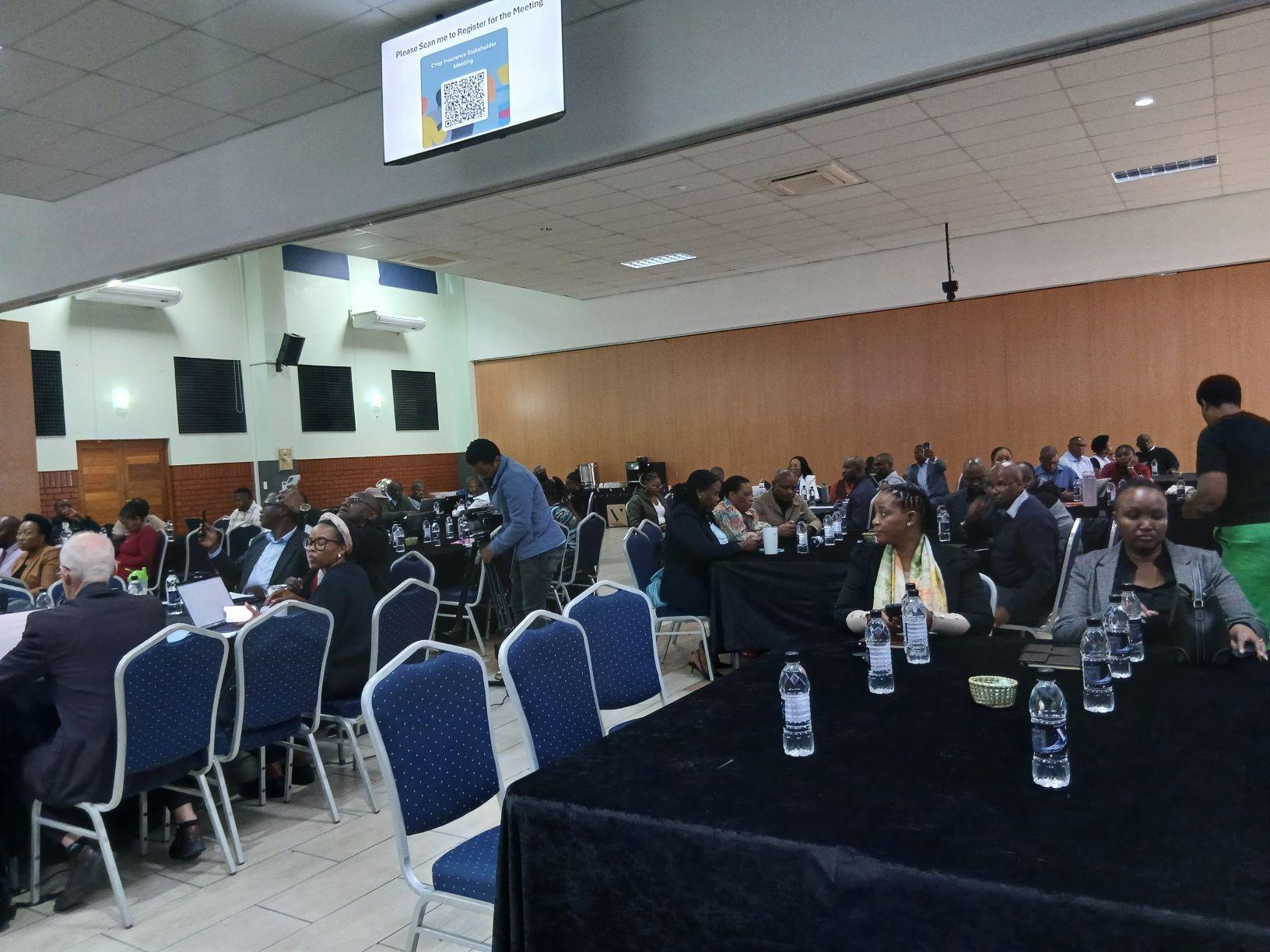
Africa-Press – Lesotho. The Ministry of Agriculture, Food Security and Nutrition, in collaboration with the World Food Programme (WFP), on Thursday hosted a stakeholders’ meeting on crop insurance aimed at promoting smart subsidies and agricultural insurance to boost agricultural investment.
Speaking at the meeting, Director of Field Services, Mr. Thabo Sekhonyana, said the initiative is a crucial step towards addressing challenges faced by farmers, particularly climate change and lack of insurance.
He explained that the smart subsidy programme will move away from a one-size-fits-all approach to a more targeted, data-driven system that improves transparency, efficiency and access to resources, especially for smallholder farmers.
Mr. Sekhonyana further highlighted that agricultural insurance will serve as a safety net to protect farmers from losses caused by natural disasters, while ongoing digital transformation in the ministry will improve service delivery.
He added that the meeting will review past farming seasons to identify gaps and gather recommendations, noting that collaboration among stakeholders is key to building a resilient and productive agricultural sector.
Head of Resilience and Smallholder Agriculture Market Support at WFP, Mrs. Nancy Chawawa, said the gathering aimed to update stakeholders on the progress of the project since August 2025, including both successes and challenges experienced during implementation
Lesotho’s agricultural sector faces significant challenges, including climate change impacts and limited access to insurance. The government has recognized the need for innovative solutions to support farmers, particularly smallholders who are most vulnerable. The introduction of crop insurance and smart subsidies represents a strategic shift towards enhancing agricultural resilience and productivity. This initiative aligns with global efforts to improve food security and adapt to changing environmental conditions, ensuring that farmers can sustain their livelihoods despite adversities.