Africa-Press – Lesotho. Stringent visa regimes across Africa, coupled with multiple layers of taxes, fees and charges continue to keep air travel beyond reach for many Africans, sector agency now says.
According to the African Civil Aviation Commission (AFCAC), these factors are derailing the Single African Air Transport Market (SAATM) and the continent’s open skies policy, with multiplier effects on trade and investment.
This is despite progress being realised on SAATM where, since early 2025, the operational footprint has continued to expand with more African city pairs now connected directly or with fewer stops.
Intra-African connectivity has increased to approximately 23 per cent, compared to about 14.5 per cent in 2018, with more than 113 new intra-African routes launched since 2022, including routes operated with fifth freedom traffic rights.
Fifth freedom traffic rights allow an airline to fly between two foreign countries, provided the flight originates or terminates in its home country.
“Despite this progress, the full potential of SAATM is not yet being realised. Structural and policy challenges continue to limit the scale and depth of liberalisation,” said Getachew Alemayehu, director of air transport for AFCAC.
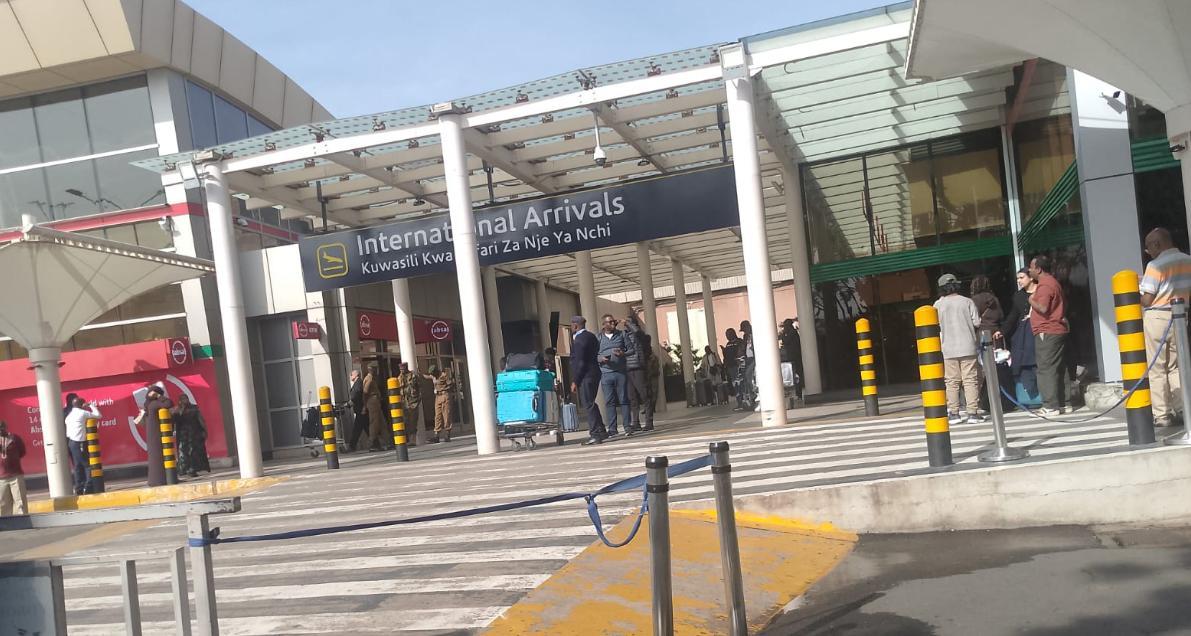
He spoke yesterday in Nairobi during the East African Business and Investment Summit in Nairobi.
Kenya is among the few African countries that have a visa-free entry regime aimed at boosting tourism, trade and regional connectivity.
On January 1, 2024, the government officially abolished visa requirements for almost all foreign visitors.
In place of traditional visas, the government introduced an Electronic Travel Authorisation (ETA) system, where visitors no longer need to apply for a visa before travelling to Kenya.
Travellers are required to obtain an ETA online before departure, mainly for security screening and data collection.
The move has eased travel to the country, boosting tourism, supporting trade and investment and advancing regional and continental integration. It has also enhanced Kenya’s competitiveness.
The visa reform aligns with Africa’s broader integration agenda, including the African Union’s free movement aspirations, the African Continental Free Trade Area (AfCFTA) and SAATM.
Even so, many bilateral air service agreements still contain restrictions inconsistent with the Yamoussoukro Decision and the SAATM framework, affecting Kenyan travellers. In Kenya, air travel also remains costly due to high industry taxes.
Former Kenya Civil Aviation Authority (KCAA) director general and Ambassador of SAATM, Captain Gilbert Kibe, called for a reduction in aviation taxes, charges and fees across the continent, with a start from trading blocs.
“The fact is Africa is yet to accept opening the skies, yet there lies a huge potential. We need to work on this as a continent for economic prosperity,” Kibe said.
The Economic Community of West African States (ECOWAS) is among those that have taken steps that have significantly air travel costs.
Alemayehu noted that advancing liberalised air transport requires coordinated action among governments, regulators, regional institutions, and the private sector.
“In this regard, AFCAC encourages the East African Community to continue strengthening regulatory harmonisation, reducing excessive taxes, fees and charges on aviation, facilitation measures and market access reforms that support seamless mobility and regional connectivity.”