What You Need to Know
The Sebitia Nutrition Club in Berea district will participate in SHEP training on January 13-14, aimed at improving agricultural production and marketing. Organized by Ms. Ntefeleng Tsolo, the training focuses on empowering members with modern farming techniques and promoting gender equality in agriculture, ultimately boosting household income.
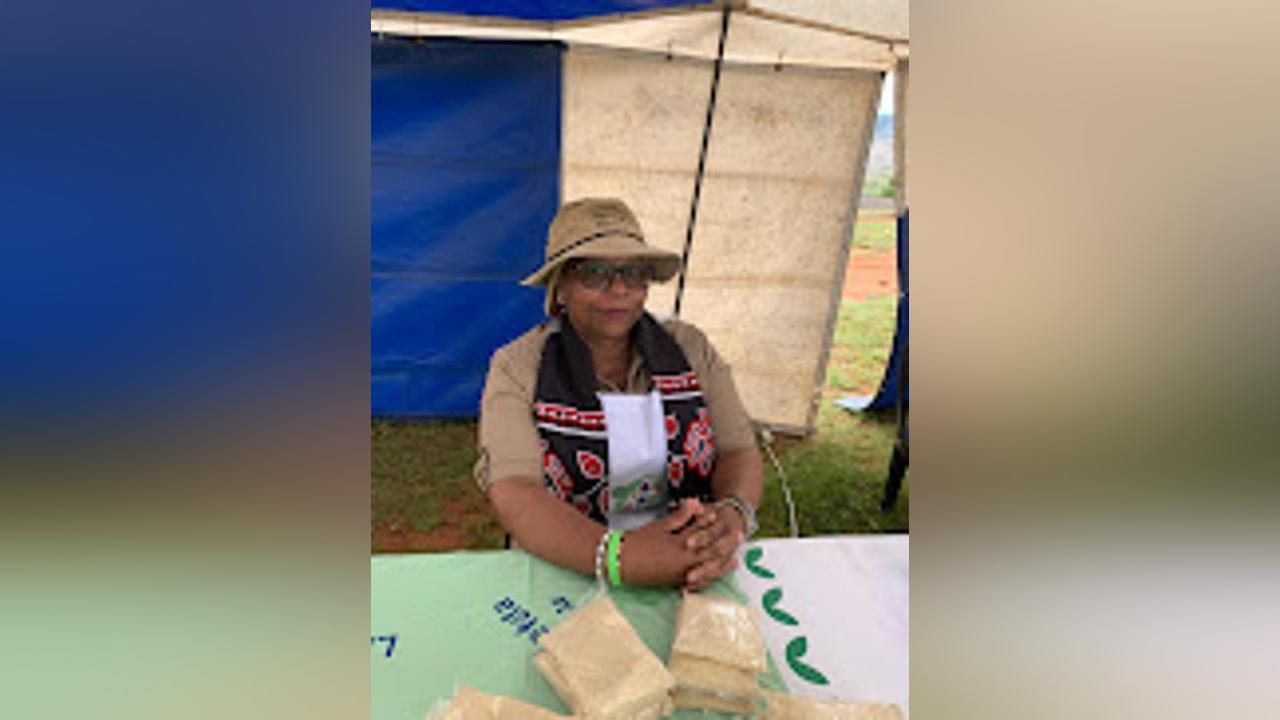
Africa-Press – Lesotho. The Sebitia Nutrition Club under Mapoteng Sun Centre in the Berea district is set to receive training on the Smallholder Horticulture Empowerment and Promotion (SHEP) approach from January 13th to 14th.
The training is organized by Area Technical Nutritionist, Ms. Ntefeleng Tsolo and supported by GEWE (Gender Equality and Women Empowerment) under SADP II at World Vision.
Its purpose is to equip the club with skills to improve production, preservation, and marketing of their agricultural produce, ultimately boosting household income.
According to Ms. Tsolo, Sebitia Nutrition Club was selected due to its consistent passion and commitment. “This club is one of the few in the district that has given back to its community by sharing knowledge and demonstrating homestead farming techniques at Sebitia Primary School during the introduction of the new school feeding menu in November,” she said.
She explained that during the demonstration, the club showcased various garden plot types including trenches, double digging, raised beds, and banana pits, with support from Rorisang Club (Nokong) and Moletsane Club (Makhoroana).
Ms. Tsolo highlighted that the training will help bridge the rural-urban gap by introducing modern agricultural methods to rural farmers. “This will empower and innovate them, ensuring they remain relevant in today’s rapidly evolving world,” she added.
Participants will also be introduced to economic concepts such as market surveys and stakeholder forums, along with psychological theories for effective activity design through home economics.
In closing, she emphasized that SHEP promotes gender equality and treats agriculture as a business, encouraging participation from both men and women in income-generating farming.
The Smallholder Horticulture Empowerment and Promotion (SHEP) approach is designed to enhance the capabilities of smallholder farmers, particularly in rural areas. By focusing on practical skills and market-oriented production, SHEP aims to improve food security and economic stability for farming communities. This initiative is part of broader efforts to empower women and promote gender equality in agriculture, recognizing the critical role women play in food production and household income generation.
In Lesotho, where agriculture is a vital part of the economy, initiatives like SHEP are essential for fostering sustainable development. By equipping farmers with modern techniques and market