What You Need to Know
The 2025–2030 Lesotho Country Strategy Paper aims to enhance industrialisation and economic growth through sustainable infrastructure development. Launched recently, it emphasizes collaboration with the African Development Bank and prioritizes energy, water, ICT, and resource mobilization, while addressing gender equality and climate resilience.
Africa-Press – Lesotho. The 2025–2030 Lesotho Country Strategy Paper (CSP) prioritises the development of sustainable and quality infrastructure to drive industrialisation and economic growth.
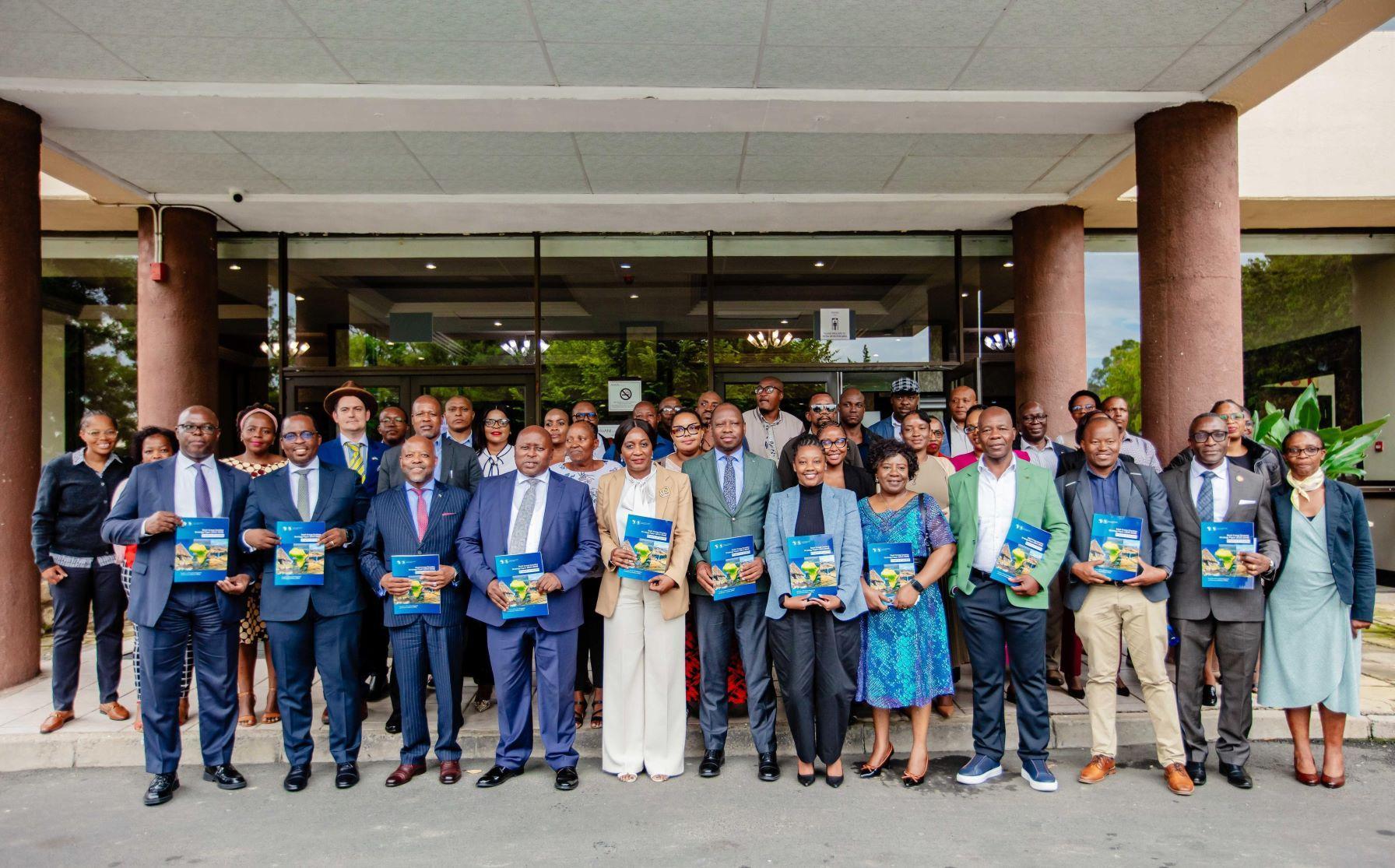
The report, launched this week, indicates that the CSP is a product of extensive consultations involving the Government of Lesotho through the Ministry of Finance and Development Planning, with support from the African Development Bank (AfDB), as well as the private sector, civil society and development partners. It aims to promote resilient and inclusive economic growth.
The strategy further outlines continued collaboration between Lesotho and the AfDB, focusing on strengthening economic development and expanding the national economy. Key priority areas include energy, water, Information and Communication Technology (ICT), and resource mobilisation. It also integrates cross-cutting issues such as gender equality, youth empowerment, climate change and resilience.
According to the document, Lesotho targets universal energy access by 2030 through expansion of transmission and distribution networks to improve reliability. The plan also aims to achieve 100 percent national electrification, up from a baseline of 52 percent recorded in 2024
Lesotho has faced various economic challenges, including high unemployment and reliance on remittances. The government has sought to diversify its economy through strategic partnerships and infrastructure development. The new Country Strategy Paper reflects a commitment to sustainable growth and aims to improve living standards by enhancing industrial capacity and energy access by 2030. This aligns with broader regional efforts to foster economic resilience and inclusivity in Southern Africa, particularly through collaboration with international development partners.