What You Need to Know
The Maseru Region Transport Operators have announced a taxi fare increase that has sparked concern among drivers and commuters in Qacha’s Nek. The local fare will rise from M13.00 to M23.00, effective May 1, 2026. Drivers fear this increase may deter passengers, particularly students, and negatively impact their businesses, given the area’s unique economic challenges.
Africa-Press – Lesotho. An announced taxi fare increase by the Maseru Region Transport Operators (MRTO) has sparked concern and mixed reactions among drivers and commuters in Qacha’s Nek, with many warning that the move could have serious economic consequences.
MRTO recently announced that local fares in Maseru will increase from M13.00 to M23.00, while long-distance fares will rise by M9.00 for every 10 kilometres. The new fares are expected to take effect on May 1, 2026.
Although the adjustment currently applies to Maseru, the association indicated that consultations are underway with other districts, including Qacha’s Nek.
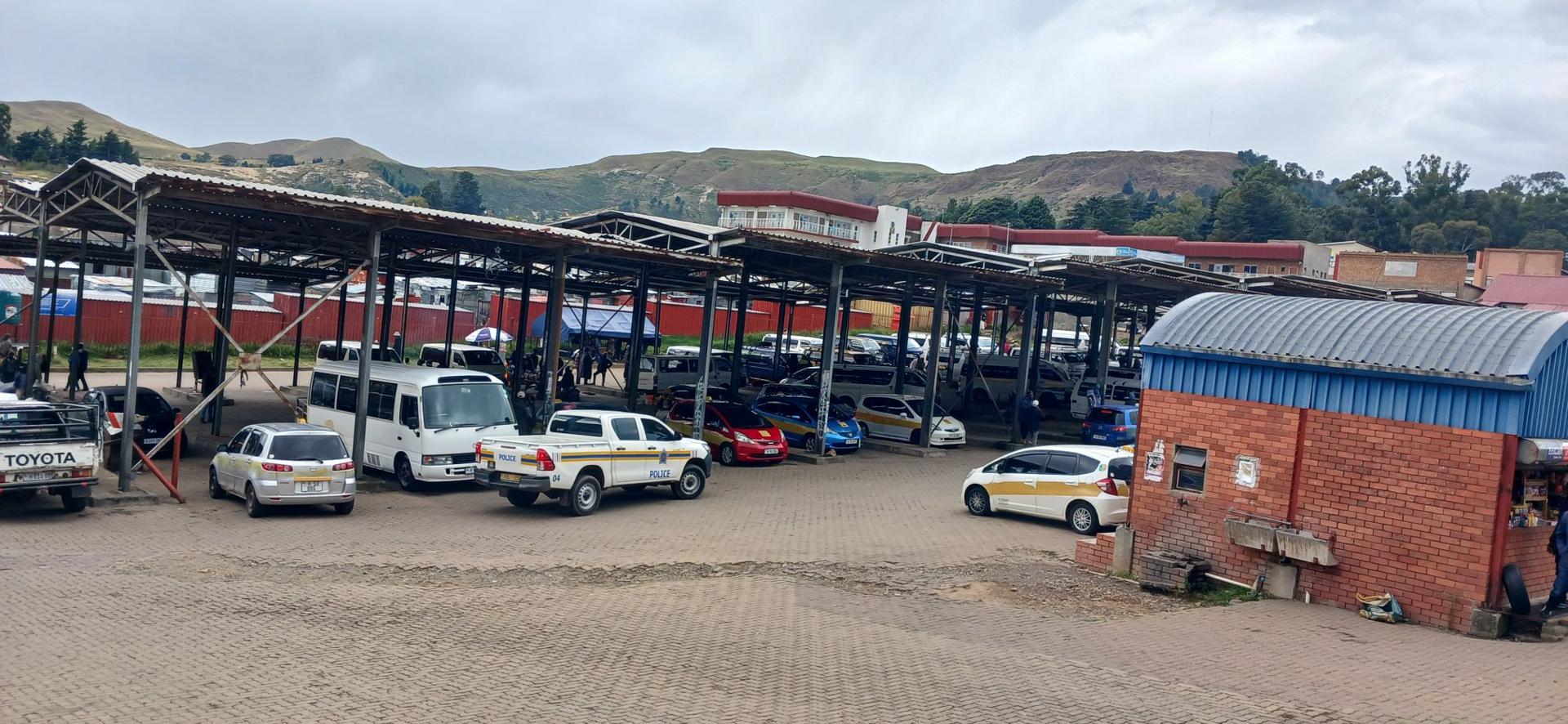
Local taxi operators in Qacha’s Nek have expressed concern that the proposed increase could negatively affect their businesses.
In an interview with LENA, 4+1 driver Mr. Ts’epo Tlokotsi said while the increase reflects the rising cost of fuel, it may place drivers in a difficult position.
“Our passengers travel short and predictable routes. Many may stop using taxis if fares increase this much,” he said.
Mr. Tlokotsi suggested that a smaller increase ranging between M15.00 and M16.00 would be more reasonable, or that fares should vary depending on distance between villages.
“We already struggled when fares increased from M8.00 to M13.00. Some passengers still do not pay the full amount. With M23.00, it will be even harder to manage,” he said.
He further noted that Qacha’s Nek has unique challenges that should be considered before implementing uniform fare adjustments.
“We do not have many businesses to rely on for regular passengers. We depend mostly on students, and many use school buses. Some areas are difficult to access due to poor road conditions, yet taxis still serve them,” he added.
In Lesotho, transportation is vital for daily commuting, especially in rural areas like Qacha’s Nek. The Maseru Region Transport Operators’ fare adjustments reflect broader economic pressures, including rising fuel costs. Historically, fare increases have often led to public outcry, as many residents rely on taxis for essential travel, making affordability a critical issue in the region’s transport dynamics. The balance between operational costs for drivers and the economic realities for passengers remains a contentious topic.