Africa-Press – Liberia. Poor people in the Liberian population risk being deprived of access to legal representation if much-needed logistical and budgetary support is not made possible, the National Association of Public Defenders of Liberia (NAPDOL) has said.
The organization urges the administration of President Joseph Nyuma Boakai to make a meaningful intervention.
NAPDOL provides legal representation for criminal defendants who cannot afford legal fees throughout the fifteen counties. It also provides legal representation to indigent criminal defendants; as well as enhancing access to justice for all individuals suspected or accused of crimes, including those arrested or detained, to protect the fundamental rights of the criminal defendant.
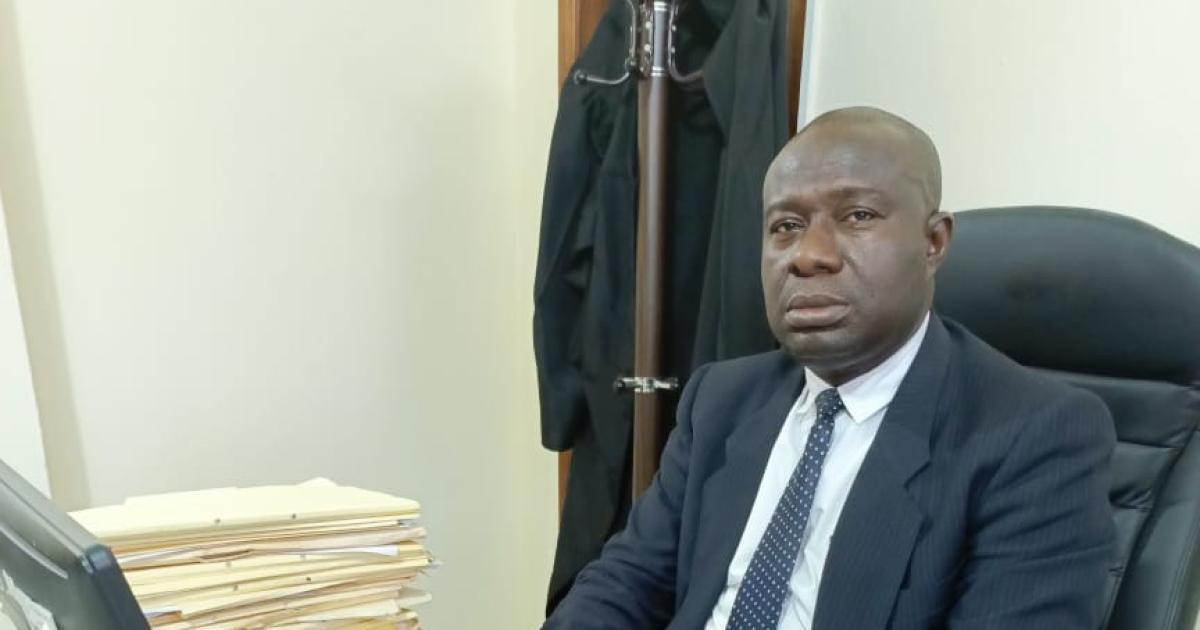
That requirement, according to Juah, has been in place since 2009, when the Supreme Court ruled that the government is required to provide attorneys for people facing felony charges who couldn’t afford counsel.
But Cllr. Bestman Darward Juah, NAPDOL’s vice president, noted that the government’s failure would be devastating, causing delays in criminal cases and longer pretrial detention for their clients.
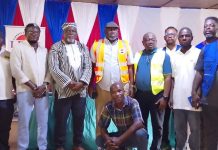
“It would decrease the quality of legal representation their offices would provide to defendants too poor to hire an attorney,” Juah disclosed on Friday, February 9, during the 6th Annual Convention of the NAPDOL, held at the Temple of Justice in Monrovia.
The convention was held under the theme, “Lawyers and Clients Relationship: The Case of Indigent Clients.”
Article 21 (c), (f), (h), and (i) of the 1986 Constitution, among others, guarantees anyone facing criminal charges the right to a speedy and public trial by an impartial jury and legal counsel.
And with its 2009 decision establishing the National Association of Public Defenders of Liberia (NAPDOL), the Supreme Court ruled that anyone charged with a serious crime had a “fundamental” right to counsel, no matter their ability to pay — but left the matter of funding up to the government, according to Juah.
Juah recounted that up to its establishment, NAPDOL strived to further enhance access to justice for poor people.
“There are challenges faced by the program, including inadequate budgetary and logistical support by the government.” Juah emphasized, “To make the program efficient and effective, I am appealing to the government for additional budgetary support for this notable program.”
Juah adds that international human rights instruments recognize that when a person’s fundamental rights to life and liberty are put at risk by the State, that person has a right to legal assistance to ensure that the State properly fulfills its obligations imposed by law, without violating the rights of the individual.
According to Juah, they direct all legal aid and access to justice functions of the Courts of Assignment on behalf of indigent party litigants seeking justice through the Judiciary Court system.
Legal aid is intended to include the concepts of legal education, access to legal information and other services provided for persons through alternative dispute resolution mechanisms, and restorative justice processes,” he noted.
As a result, he said, the Eighth UN Congress on the Prevention of Crime and the Treatment of Offenders adopted, in 1990, the UN Basic Principles on the Role of Lawyers making its first principle the following: “All persons are entitled to call upon the assistance of a lawyer of their choice to protect and establish their rights and to defend them in all stages of criminal proceedings. The Basic Principles further place responsibility upon the government and the legal profession to ensure that everyone has access to counsel, regardless of means or background, to protect the right to equality before the law.”
Reflecting on the commitment of his membership, amid limited budget appropriations, Juah publicly said, “I [would] like to applaud all public defenders throughout the country for their commitment in providing access to justice and/or legal aid to criminal defendants in Liberia through adequate legal representations.”
In 2019, Cllr. Tiawan S. Gongloe, former President of the Liberian National Bar Association (LNBA), appointed Cllr. Juah as a member of the Legal Aid Committee. While serving as a member, Juah provided pro-bono legal services to indigent party litigants at the LNBA’s Legal Aid Clinics in Montserrado and Bong Counties.
Those services were carried out in criminal and civil cases in the two counties.
As a proactive and acclaimed criminal defense lawyer, he has adequately represented and advocated for the release of over one (100) criminal defendants indicted by the Grand Jury for Montserrado County for various felonious crimes including murder, gang rape, statutory rape, rape, and aggravated assault before various criminal circuits particularly Criminal Court Assizes “B”, and “E” for Montserrado County. This was done through the filing of applicable pretrial motions and trials, respectively.
For More News And Analysis About Liberia Follow Africa-Press