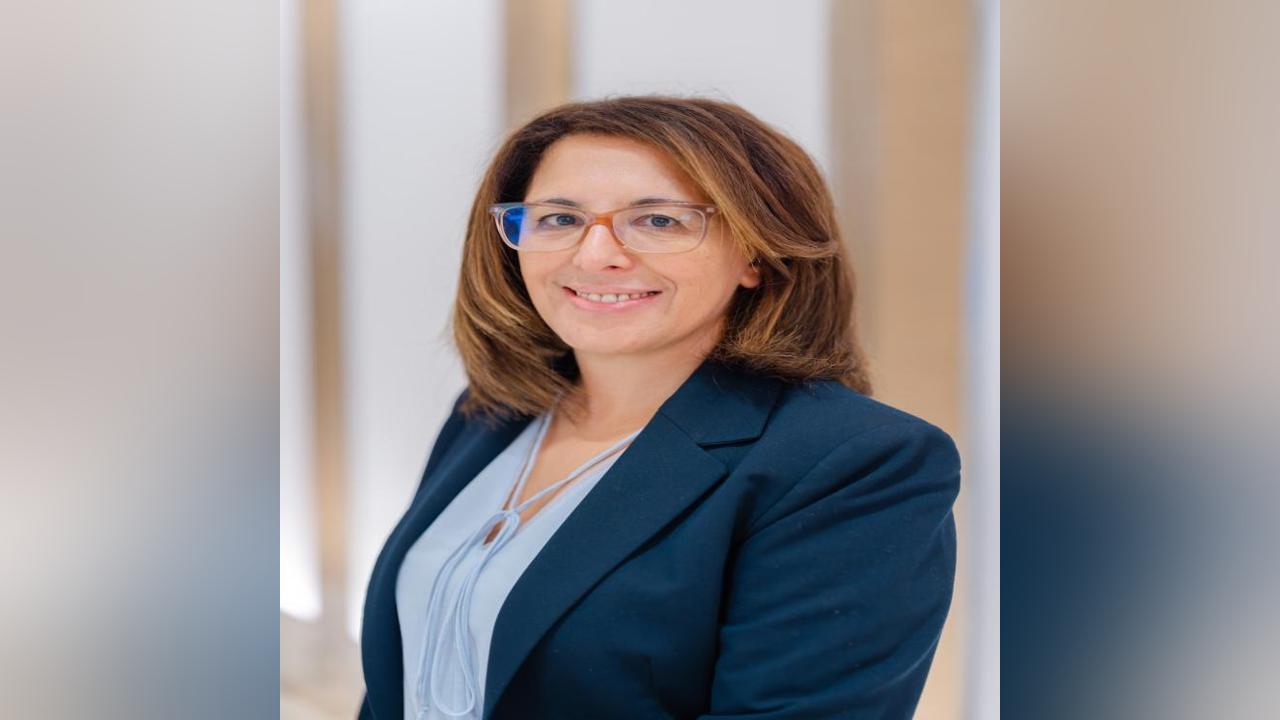
Africa-Press – Liberia. When Dr. Khaoula Belhaj-Fragnière speaks about seeds, she is not talking about something simple or ordinary. To her and to millions of farmers across the world, a seed is the first and most essential input in the food system, the foundation on which harvests rise or fall, and the silent force shaping food security, climate resilience, and rural livelihoods. In a rapidly changing world where climate threats, population growth, and food insecurity intersect, the conversation around seed systems has never been more urgent. Belhaj-Fragnière, Regulatory Affairs Manager at the International Seed Federation (ISF), brings more than three years of industry leadership and a professional background spanning plant breeding, agricultural research in the United Kingdom, government regulatory work, and private-sector experience. She delivers a clear message: “The future of agriculture, particularly in Africa, depends on quality seeds, innovation, and inclusive seed systems that empower farmers.”
Why Seed Quality Matters for a Growing and Warming World
Belhaj-Fragnière often invites readers to picture a farmer in a drought-prone region, standing in a field where “every seed counts.” For this farmer, the difference between a good harvest and total failure frequently depends on one factor: the quality of the seed planted. She underscores that seed quality is about genetic purity, physical cleanliness, strong germination, storage resilience, and freedom from seed-borne diseases and pests.
“In a world racing toward 10 billion people, the stakes have never been higher,” she explained. Farmers must be confident that seeds are true to type, free from contaminants like stones or weed seeds, capable of high germination, and robust under stress. These aspects of quality, she emphasized, determine whether farmers secure a productive harvest or face economic loss.
Why Many Low-Income Countries Still Struggle With Seed Quality
Despite this critical importance, access to quality seeds remains limited across many African countries. Belhaj-Fragnière identifies common challenges such as limited local seed production capacity, inadequate distribution systems, and low farmer awareness of improved varieties.
“Barriers include weak distribution systems, low awareness of the benefits of improved varieties, and policy and regulatory gaps that further limit access, especially for smallholder farmers,” she noted. Many seed markets are affected by outdated regulations, unclear certification processes, and weak cross-border harmonization, allowing illegal or fraudulent seeds to circulate freely.
Inside the Group of Seven (G7) – Organisation for Economic Co-operation and Development (OECD) Seed Certification Project in Africa
Copyright: Henry Joël / ISF
One of ISF’s most ambitious initiatives, she explained, is the G7–OECD Africa Seed Certification Capacity Building Project, which aims to strengthen seed certification systems across the continent.
In an exclusive Zoom interview from Switzerland with this outlet recently, Dr. Khaoula Belhaj-Fragnière highlighted how quality seeds can transform Africa’s food systems. The project supports countries in aligning with the OECD Seed Schemes, international standards that enhance seed quality assurance, market competitiveness, and regional trade.
A total of 14 African countries are officially part of the G7–OECD Africa Seed Certification Capacity Building Project: Burkina Faso, Niger, Côte d’Ivoire, Nigeria, Ethiopia, Rwanda, Ghana, Senegal, Malawi, Togo, Mali, Uganda, Mozambique, and Zimbabwe. Operational activities are currently concentrated in Ethiopia, Ghana, Senegal, Malawi, Uganda, and Mozambique. “The goal is to strengthen capacity for bringing quality seeds to the market for these 14 selected African countries,” she said. These efforts build the foundation for stronger local seed production, better regional seed trade, and reduced illegal practices.
Belhaj-Fragnière cited striking results in Tanzania and Zambia: “Tanzania saw certified seed production for maize and sorghum rise by over 900 percent, while Zambia reported a significant reduction in illegal seeds. Quality seeds allow trust and facilitate trade.”
ISF’s Global Partnerships Supporting Africa’s Seed Sector
Beyond the G7–OECD project, Belhaj-Fragnière highlighted that ISF has strengthened partnerships with global institutions such as Consultative Group on International Agricultural Research (CGIAR). The ISF–CGIAR collaboration aims to fast-track the release of CGIAR-bred varieties, support public-private partnerships, and connect research breakthroughs with seed companies so innovations reach farmers faster. “Our objective is to make affordable, quality seeds available while providing farmers with real choice,” she explained.
Plant Breeding Innovation: A Central Tool for Climate Resilience
For Khaoula, innovation in plant breeding remains essential to addressing Africa’s evolving climate challenges. She describes plant breeding as “the DNA of the seed sector.” New breeding techniques, especially genome editing, allow breeders to shorten development cycles, enhance resistance to pests and diseases, improve heat and drought tolerance, and boost productivity under stress.
“For example, we are developing genome-edited sorghum resistant to Striga, cassava resistant to brown streak disease, and climate-smart banana varieties. These innovations are critical for Africa,” she said.
However, without clear, predictable regulations, many of these innovations cannot reach farmers. “Countries like Nigeria and Kenya have led by adopting science-based frameworks that differentiate genome-edited crops from genetically modified organisms (GMOs) when no foreign deoxyribonucleic acid (DNA) remains,” she added, emphasizing the importance of regulatory certainty for private-sector investment.
The Major Gaps Limiting Seed Security in Africa
Despite progress, Africa’s seed sector still faces major gaps. Weak intellectual property protection discourages seed company investment, while the lack of harmonized seed laws across regions slows the movement of improved varieties. Belhaj-Fragnière stressed: “Bridging these gaps requires coordinated efforts among governments, seed companies, researchers, and development institutions. We need science-based regulations, intellectual property (IP) protection, and alignment with international standards like Organization for Economic Co-operation and Development, International Seed Testing Association and International Union for the Protection of New Varieties of Plants.”
What Inclusive Seed Systems Really Mean
Belhaj-Fragnière strongly advocates for inclusive seed systems, a concept often misunderstood. “Inclusive systems are about complementarity between traditional and modern seed sources. Farmers should be able to maintain traditional practices while accessing improved seeds that are available and affordable,” she explained. Such systems protect farmers’ freedom of choice while ensuring seed health, reliability, and quality.
Final Reflections: Seed Choice plus Seed Quality = Farmer Power
As the conversation drew to a close, Belhaj-Fragnière emphasized that Africa must focus on three key priorities to strengthen its seed systems: empowering farmers by ensuring access to quality seeds and genuine choice, building predictable, science-based regulatory environments that foster plant breeding innovation and attract long-term investment, and combating illegal seed practices through harmonization, enforcement, and farmer education.
“Seed choice plus seed quality is the real power for farmers. When farmers have access to the right seeds, they have power,” she concluded.
For Liberia, where seed systems remain largely informal and fragmented, the lessons are clear. Policy reform, capacity building, public-private partnerships, investment in innovation, and farmer-centered seed choices will be essential. As climate pressures intensify and food systems strain, Africa’s ability to feed itself will depend significantly on whether farmers gain access to high-quality, climate-resilient, and diverse seeds.
For More News And Analysis About Liberia Follow Africa-Press