Africa-Press – Liberia. Paynesville —As Paynesville continues to expand and modernize, the city is grappling with a growing waste crisis that sees less than half of its daily solid waste collected, Mayor Robert S. Bestman II has disclosed.
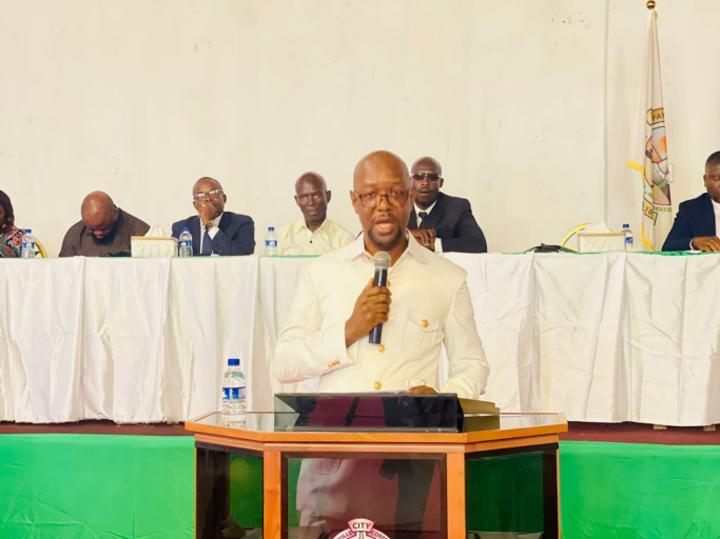
In his 2025 year-end report delivered on December 15, Mayor Bestman said Paynesville generates an estimated 600 to 800 tons of municipal solid waste daily, yet only about 40 to 45 percent is formally collected. The remainder—estimated at more than 300 tons every day—is left uncollected, clogging streets, open spaces, and waterways.
The Mayor attributed the situation to budgetary limitations, inadequate waste management infrastructure, and insufficient personnel, challenges he said continue to undermine the city’s sanitation efforts despite ongoing reforms.
“Paynesville produces a significant amount of waste, but limited funding and infrastructure continue to affect our collection capacity,” Bestman said, warning that unmanaged waste poses serious public health and environmental risks.
Data from the Paynesville City Corporation (PCC) indicate that residents generate an average of 0.42 kilograms of waste per person per day, placing sustained pressure on a system already operating beyond capacity. City officials admit that without additional equipment and increased investment, waste collection will remain a major challenge.
The sanitation crisis persists even as PCC reports progress in other areas of city governance and development. Mayor Bestman pointed to regular fumigation exercises carried out by the Environmental Department as part of efforts to reduce health risks, though he acknowledged that fumigation alone cannot compensate for large volumes of uncollected waste.
According to Mayor Bestman, beyond waste management, the city has pursued institutional and infrastructural improvements during the year. These include the ongoing construction of a new two-story City Hall aimed at easing congestion and improving service delivery, as well as the procurement of two JAC pickup vehicles to support zoning enforcement and land recovery within the municipality.
The City has also launched its first Climate Action Plan and commissioned a Heat Park at ELWA Junction, positioning Paynesville within regional climate resilience initiatives. In February, city officials participated in the African Urban Heat Summit in Freetown, engaging counterparts on urban governance and environmental sustainability.
To strengthen financial capacity, PCC automated its revenue collection system, registering more than 10,000 businesses between February and November 2025. City authorities say the reform has improved accountability and could, over time, help mobilize resources needed for sanitation and other essential services.
Mayor Bestman also highlighted education and youth-focused initiatives, including partnerships to expand STEM learning opportunities and engagement with more than 250 school administrators and teachers across the city. Support for vulnerable populations, including regular assistance to orphanages, was also cited.
However, the Mayor conceded that human resource gaps and limited funding continue to constrain service delivery across sectors, particularly waste management.
“These challenges affect how fast we can move and how much we can do,” he said, adding that additional investment in equipment, staffing, and training remains critical.
Despite the setbacks, Mayor Bestman said his administration remains committed to inclusive governance, pointing to regular engagement with city council members, community leaders, and security institutions to maintain order and public safety.
As Paynesville looks to 2026, the Mayor urged stronger collaboration with national authorities, development partners, and residents to address the city’s sanitation crisis while sustaining ongoing development efforts.
“Progress is being made,” he said, “but a cleaner and healthier Paynesville will require collective action and sustained support.”
For More News And Analysis About Liberia Follow Africa-Press