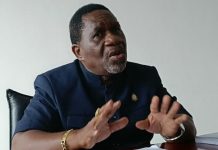
Africa-Press – Liberia. Former Minister of Youth and Sports, D. Zeogar Wilson, has issued a grim warning that Liberia faces an imminent threat of suspension from world football if the ongoing disputes surrounding the Liberia Football Association (LFA) elections are not handled with strict adherence to international governance rules.
Speaking on a local radio talk show, Wilson welcomed a recent Civil Law Court ruling regarding the electoral impasse but cautioned that any deviation from FIFA’s statutes could prove catastrophic for the nation’s footballing future.
“If this matter does not go the proper way, Liberia stands to be the victim,” Wilson warned.
“The country could be banned by FIFA; our national teams would not play international matches, clubs would miss continental competitions, and Liberia would lose vital FIFA development funding.”
High Stakes and the Ghost of Suspension
A FIFA suspension is a death knell for a footballing ecosystem. Associations under ban are barred from the FIFA World Cup and Africa Cup of Nations (AFCON) qualifiers, as well as CAF club competitions. Furthermore, access to the “FIFA Forward” development funds which fuel grassroots projects is immediately cut off.
In recent years, countries such as Kenya, Zimbabwe, and India have faced similar sanctions due to “third-party interference” a term FIFA uses for government or judicial meddling in football administration.
For Liberia, where football is a primary cultural pillar, such a setback would be devastating.
Respecting the Court vs. Respecting FIFA
While Wilson acknowledged the Civil Law Court’s advice for aggrieved parties to submit to the LFA’s internal electoral process, he emphasized that football disputes must be resolved through mechanisms recognized by FIFA and CAF.
“FIFA has consistently frowned upon members taking football matters to ordinary courts or allowing third-party influence,” Wilson stated.
“That includes government interference or judicial overreach in football administration.”
Focus on Anthony Cassell Kouh
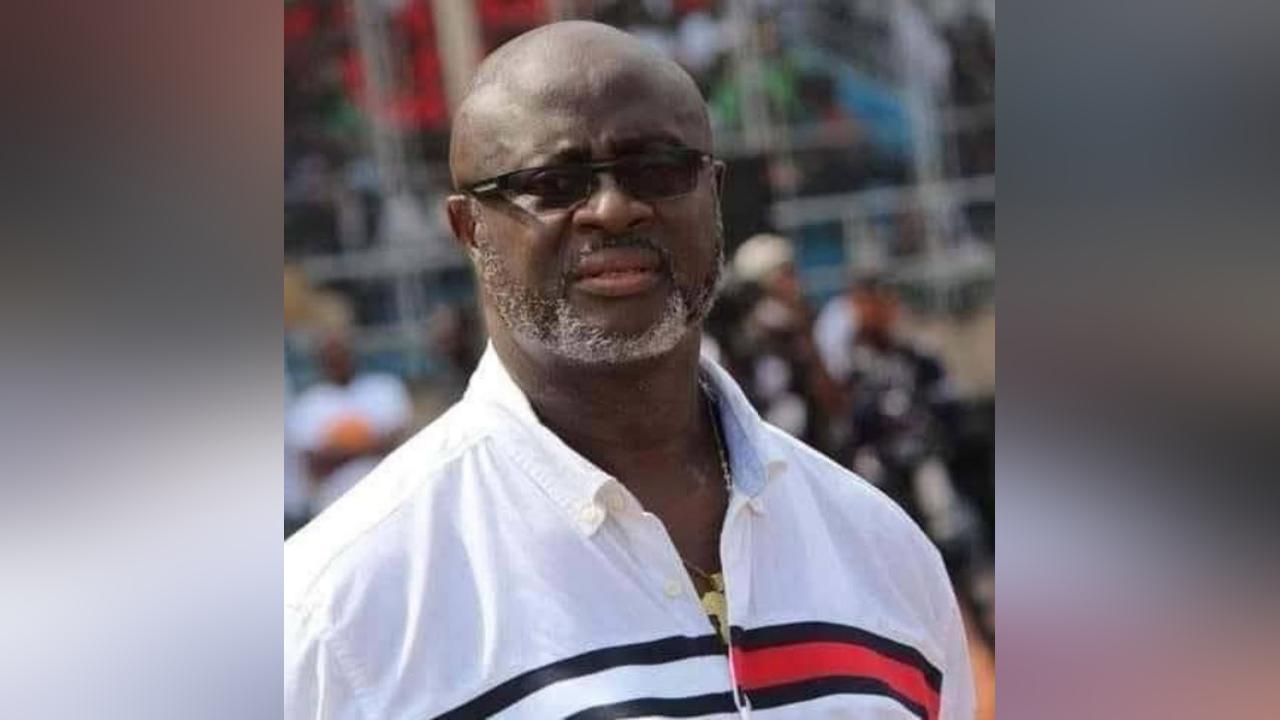
A significant portion of Wilson’s critique was directed at businessman and football executive Anthony Cassell Kouh, who has challenged the electoral process through the judicial system.
While Wilson maintained he has no personal issues with Kouh, he accused the executive of prioritizing personal ambition over the national interest.
“I do not know Mr. Kouh personally, nor do I have anything against him,” Wilson said. “But as someone who loves the game and once led the sports sector, I believe what he is doing is dangerous for Liberia.”
The “Bility Era” Rules
Wilson argued that Kouh is intimately familiar with the very rules he is now challenging. Kouh served as Vice President for Operations under former LFA President Musa Bility when several key constitutional provisions including presidential term limits, eligibility standards, and integrity checks were adopted.
Wilson clarified that current LFA President Mustapha Raji simply inherited these statutes.
“Raji was not president in 2017. He came and met the statutes already in place,” Wilson noted.
He specifically pointed to Article 58 of the LFA statutes, which outlines eligibility standards related to criminal convictions.
Wilson alleged that Kouh is aware that the provisions could impact his candidacy. To date, no official electoral body has publicly announced a final disqualification of Kouh, making the matter a highly sensitive political flashpoint.
Lesson from the Past
Drawing on his tenure as Sports Minister, Wilson recalled a previous leadership crisis involving Mustapha Raji and Musa Shannon. At the time, Wilson declined to intervene directly to avoid the “third-party” trap. Instead, he requested FIFA mediation.
FIFA subsequently sent representatives to Monrovia, identified problematic constitutional areas, and recommended an extraordinary congress to resolve the issues internally a move Wilson suggests is the only viable path forward now.
Test of Institutions
Wilson further contended that a formal election dispute does not yet exist because Kouh had not been officially rejected by the electoral commission before seeking a court injunction.
“There was no prior decision against him,” Wilson argued. “The court has now asked him to subject himself to the electoral process.”
As the LFA elections draw near, the situation has evolved into a litmus test for Liberian football.
The outcome will determine whether the nation can manage its internal power struggles while maintaining its standing in the global football community. For a country that produced the legendary George Weah, the stakes are not just about a ballot they are about the survival of the sport itself.
For More News And Analysis About Liberia Follow Africa-Press