Africa-Press – Liberia. Liberia has reached a major environmental milestone with the validation of its first National Report on the Nagoya Protocol on Access and Benefit Sharing (ABS), as the Environmental Protection Agency of Liberia (EPA) renewed calls for fair and equitable sharing of benefits derived from the country’s rich biological resources.
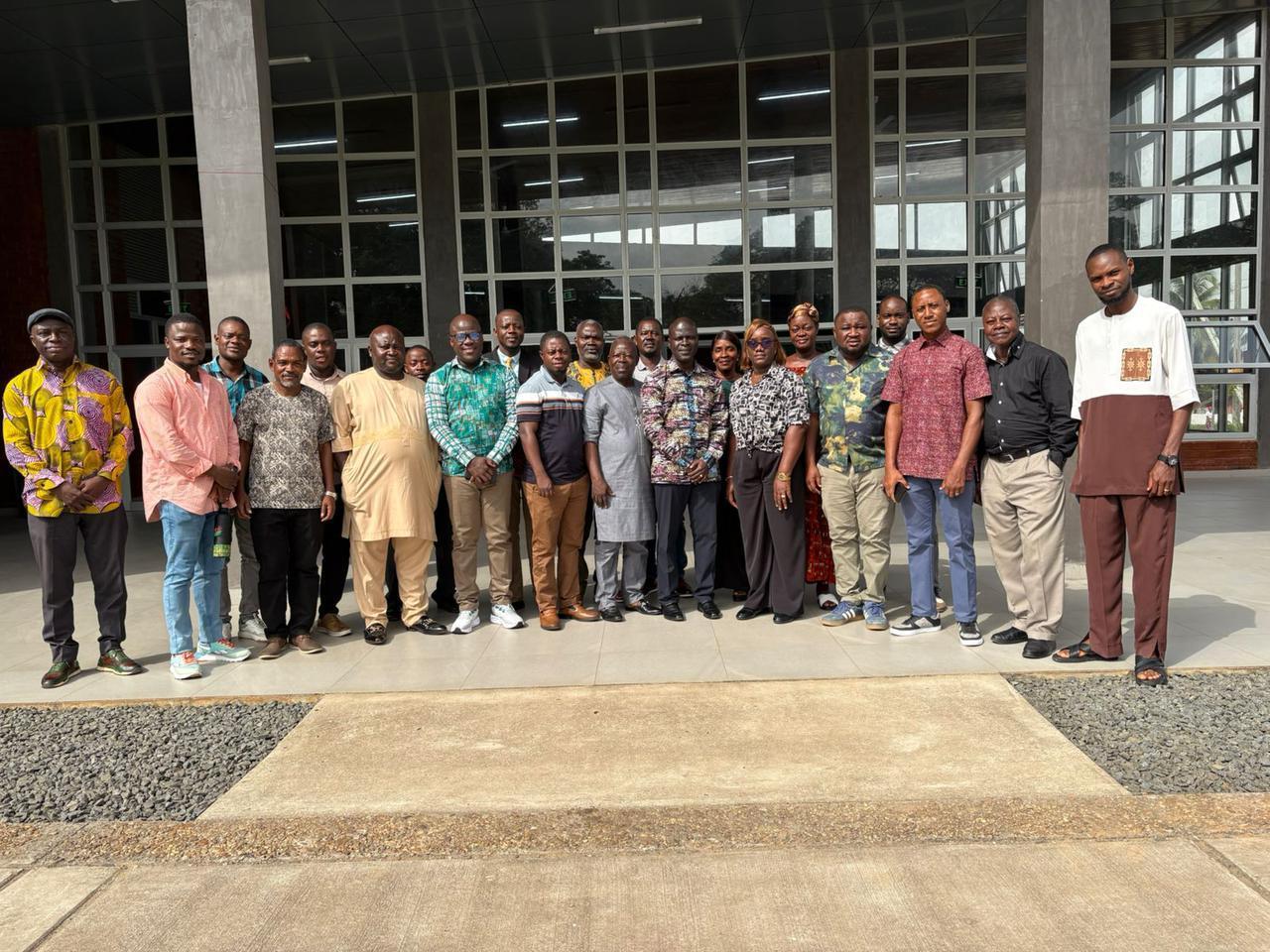
The validation exercise was held on Wednesday, February 18, 2026, at the Liberia Learning Center in Paynesville City, bringing together government officials, environmental experts, community leaders, consultants, and development partners.
Delivering the opening statement, EPA Executive Director Dr. Emmanuel King Urey Yarkpawolo described the process as a turning point in Liberia’s management of its natural resources. He said the report goes beyond documentation and reflects a national commitment to fairness in the use of Liberia’s biological and genetic resources.
According to Dr. Yarkpawolo, Liberia’s forests, wetlands, rivers, mangroves, and coastal ecosystems continue to sustain livelihoods, food security, and traditional medicine, while also holding immense scientific and economic value. However, he noted that for many years, countries like Liberia and their local communities have received little recognition or benefit when these resources and associated traditional knowledge were utilized.
He emphasized that the Nagoya Protocol provides the legal framework to correct this imbalance by ensuring fair and equitable sharing of benefits.
“Access and Benefit Sharing is not only an environmental issue; it also touches on social, economic, cultural, and governance matters. It strengthens national sovereignty while promoting responsible research and investment,” Dr. Yarkpawolo stressed.
He said the First National Report highlights progress made, including policy development, improved institutional coordination, stakeholder awareness, and initial steps toward establishing systems for prior informed consent and mutually agreed terms. At the same time, he acknowledged ongoing challenges, such as finalizing legal frameworks, strengthening community awareness, and building effective monitoring and compliance systems.
Dr. Yarkpawolo called on government institutions, academia, the private sector, and community leaders to work collaboratively, noting that no single institution can successfully implement the Nagoya Protocol alone.
Providing further background, Frances B. Seydou, Director of Intersectoral Coordination at the EPA and National Focal Point for the Nagoya Protocol, explained that the protocol is an international agreement under the Convention on Biological Diversity, adopted in 2010 in Nagoya, Japan, and entered into force in 2014.
She said the agreement was developed in response to the growing global use of genetic resources and the need to ensure fairness and equity, particularly for countries and communities that conserve biodiversity. “The protocol also recognizes national sovereignty over biological resources and seeks to protect traditional knowledge,” Mrs. Seydou added.
According to her, the main objective of the Nagoya Protocol is to regulate access to genetic resources, promote transparency, support conservation and sustainable use, and ensure fair and equitable sharing of benefits.
Mrs. Seydou noted that Liberia, as a Party to the Convention on Biological Diversity since 1995, has committed to conserving biodiversity, promoting sustainable use, and ensuring equitable benefit sharing. These obligations include developing national ABS laws, establishing institutional frameworks, protecting traditional knowledge, and reporting progress to the CBD Secretariat.
She explained that the First National ABS Report assesses Liberia’s implementation efforts by reviewing existing laws and institutions, identifying gaps and challenges, and documenting progress made to date. She described the report as a critical tool for guiding policy and legal reforms, enhancing transparency, measuring national progress, and mobilizing international support.
Mrs. Seydou also highlighted key challenges affecting implementation, including limited public awareness, low technical capacity, weak inter-institutional coordination, and inadequate monitoring systems. Despite these constraints, she said Liberia has strong opportunities to strengthen its legal framework, build capacity, deepen community participation, and foster partnerships to ensure effective implementation.
The EPA said inputs gathered during the validation workshop will be incorporated into the final report, which is expected to guide Liberia’s next steps in protecting biodiversity while ensuring that benefits from genetic resources reach the communities that safeguard them.
For More News And Analysis About Liberia Follow Africa-Press