Africa-Press – Liberia. Monrovia — A long-standing national aspiration to provide decent and affordable housing for Liberians is beginning to materialize as the National Housing Authority (NHA) enters a strategic partnership with continental real estate firm TAF Developers to launch one of the country’s most ambitious housing initiatives in decades.
The collaboration signals renewed momentum in Liberia’s efforts to confront a widening housing deficit that has contributed to overcrowding, informal settlements, and rising urban pressure across Monrovia and other growing communities.
A Vision to Address the Housing Crisis
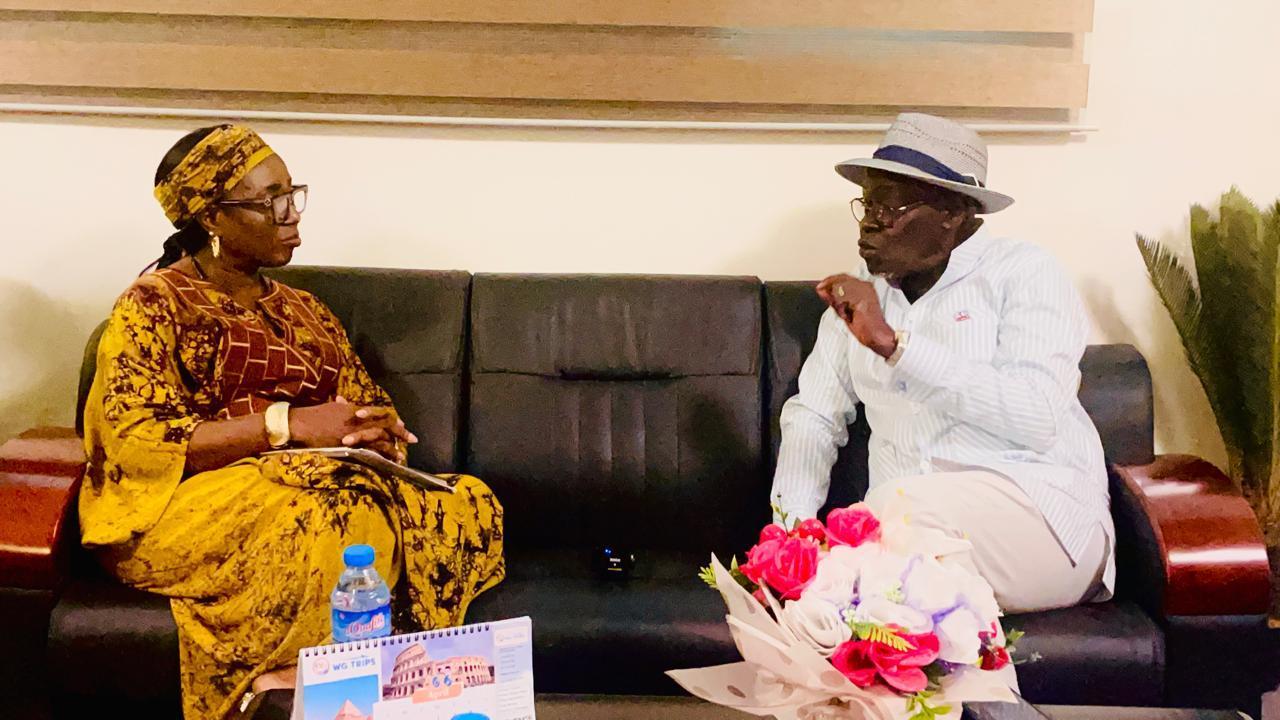
Speaking during an engagement at the NHA headquarters, Managing Director Florence K. Geegbae described the initiative as a turning point in the government’s commitment to improving living conditions for Liberians.
According to the NHA, Liberia currently requires nearly 4,891 housing units annually, with national demand projected to surpass 52,000 homes by 2030.
“We have a serious housing crisis, but today we are moving from discussion to action,” Geegbae said. “This partnership represents hope for thousands of Liberian families seeking safe, planned, and affordable homes.”
She emphasized that the Authority welcomes partnerships with private investors, development partners, and international stakeholders willing to support Liberia’s housing transformation agenda.
5,000 Homes Planned Under First Phase
At the center of the initiative is a plan by TAF Developers to construct 5,000 housing units during the first phase of development under a Public-Private Partnership (PPP) model.
The arrangement outlines shared responsibilities:
The Government of Liberia will provide land and develop core infrastructure such as roads, drainage, water, sanitation, and electricity services.
TAF Developers will finance, design, and construct modern housing estates tailored to varying income levels.
Approximately 1,200 acres of land have been identified for the project, including Bentol as an initial development location, with expansion expected nationwide.
Geegbae noted that preparing serviced land remains essential to successful housing delivery.
“In public-private partnerships, government prepares the environment while investors build the homes,” she explained. “We are putting those structures in place.”
Rebuilding Confidence in Public Housing
The NHA Managing Director disclosed that institutional reforms are already underway to strengthen estate management and restore public confidence in government housing programs.
Supervisors have been deployed across existing housing estates to prevent encroachment and ensure proper oversight, while future developments will include permanent site offices managed by NHA technical staff.
“Our engineers, architects, surveyors, and planners are ready to work alongside our partners,” she said.
Drawing from her years of international development experience, Geegbae expressed confidence that the initiative will elevate the National Housing Authority into a visible national institution delivering tangible results.
African Developer Brings Continental Experience
TAF Developers Chief Executive Officer Mustapha Njie described Liberia as an important addition to the company’s continental affordable housing expansion strategy.
Njie explained that housing shortages affect countries across Africa, noting that the continent faces millions of unmet housing needs.
“Housing is a basic human necessity,” he said. “Liberia’s situation mirrors many African nations, and partnerships like this allow us to provide solutions at scale.”
A veteran developer with more than 36 years in the housing sector, Njie emphasized that his mission extends beyond investment.
“I want Africans to see that Africans can build Africa,” he stated. “We come not just as investors, but as partners committed to positive impact.”
Making Housing Affordable
Njie stressed that affordability remains the central challenge in housing delivery worldwide. He explained that international mortgage standards recommend households spend no more than 30 percent of their income on housing over repayment periods of up to 25 years.
He noted that government support — including land access, infrastructure investment, and concessional financing — plays a critical role in lowering construction costs and making homes accessible to ordinary citizens.
Project Implementation Begins
Implementation processes are already underway, including feasibility studies, legal consultations, and coordination with national investment and land authorities.
Public interest has been significant. An online housing enrollment survey launched by the developer recorded more than 570 Liberian responses within two hours, demonstrating strong demand for affordable housing opportunities.
TAF Developers plans to convene an Off-Takers Conference bringing together government institutions, private companies, development partners, and international organizations to facilitate enrollment and financing arrangements for prospective homeowners.
“For us, stepping into Liberia means the project has started,” Njie said. “We aim to see houses rising before the end of the year.”
Government Moves to Support Delivery
The NHA confirmed that land acquisition processes are being fast-tracked in collaboration with national authorities following high-level discussions with President Joseph Nyuma Boakai’s administration.
Geegbae reiterated that government will prioritize infrastructure development to ensure timely construction.
“When government moves, investors move,” she said. “We are committed to ensuring Liberians begin to see real housing developments.”
A Dream Turning into Reality
Officials believe the project will not only reduce Liberia’s housing deficit but also stimulate economic growth through job creation, skills transfer, and expansion of the construction industry.
For many Liberians, the initiative represents more than a housing program — it symbolizes progress toward dignity, stability, and improved quality of life.
“This is Liberia’s housing dream taking shape,” Geegbae concluded. “We are moving toward a future where every Liberian family can have access to decent and affordable housing.”
As construction preparations advance, the partnership signals a new chapter in Liberia’s urban development story — one driven by collaboration, African investment, and a shared vision of sustainable communities.
For More News And Analysis About Liberia Follow Africa-Press