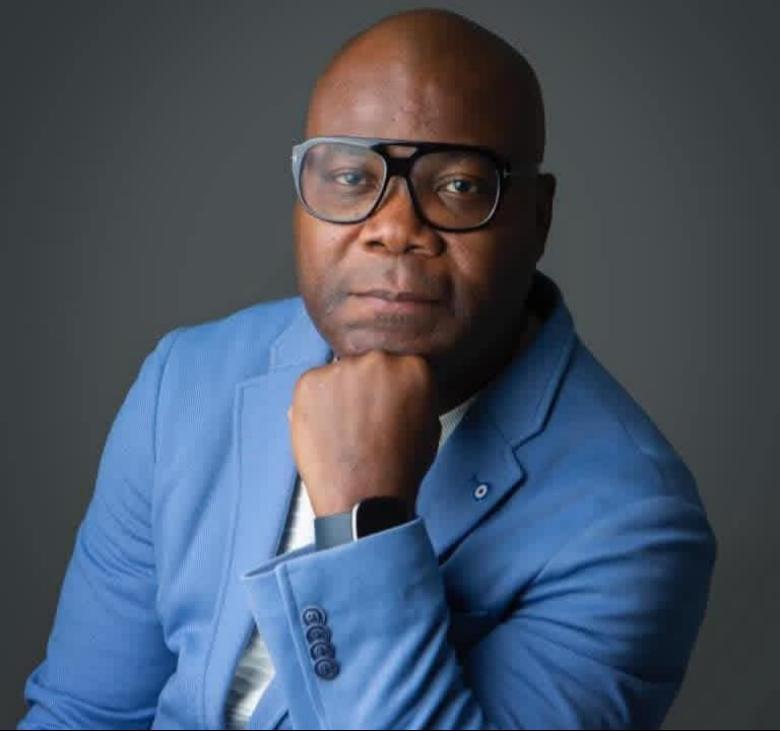
Africa-Press – Liberia. The prospects of a political comeback for former Liberian President George Weah will depend less on his past popularity and more on his ability to transform his leadership style, rebuild fractured alliances, and navigate deeply rooted voting dynamics, according to Rodney Sieh, Managing Editor of FrontPageAfrica.
In an interview, Sieh emphasized that the former president’s return to power is not guaranteed, noting that the burden lies squarely on Weah to demonstrate meaningful change.
He said the key question is whether Weah can return with renewed energy, adopt a different governing approach, and reconnect with political allies he distanced himself from during his presidency.
Speaking on OKAY FM, Sieh highlighted the growing internal fractures within Weah’s political base, particularly within the Congress for Democratic Change.
He pointed to the departures of prominent figures such as Saah Joseph and Thomas Fallah as clear signs of weakening cohesion within the party. According to Sieh, these defections underscore the challenges Weah faces in consolidating support ahead of any future electoral bid.
Sieh further explained that Liberia’s political landscape is often characterized by fluid loyalties, with politicians frequently aligning themselves with the ruling government.
He noted that once a new administration takes power, former allies of the previous government tend to shift their allegiance, making it increasingly difficult for opposition figures to reclaim lost support.
For Weah, Sieh suggested that reconciliation with former allies could be a critical first step. He indicated that setting aside differences and re-engaging figures like Joseph and Fallah could help rebuild a stronger coalition. However, he cautioned that such efforts would require humility and a willingness to make concessions.
Beyond internal party dynamics, Sieh identified regional voting patterns as another major obstacle. He pointed specifically to Lofa County, a stronghold of support for current President Joseph Boakai.
According to Sieh, the entrenched loyalty of voters in that region, combined with Boakai’s incumbency, presents a significant hurdle for any challenger seeking to erode that base.
Sieh also described Liberia’s broader political culture as heavily influenced by personality and identity rather than policy. He argued that voter behavior often reflects long-standing regional and tribal affiliations, creating stable voting blocs that are difficult to penetrate.
This environment, he said, favors well-known political figures and makes it challenging for new entrants to gain traction.
He illustrated this point by referencing Darius Dillon, suggesting that the senator once had the potential to emerge as a strong alternative voice.
However, Sieh argued that Dillon’s political positioning over time weakened his appeal as an independent contender. According to Sieh, Liberia’s electorate remains largely centered around two dominant figures, Boakai and Weah. He noted that voters tend to gravitate toward familiar names, reinforcing a political environment that increasingly resembles a two-party system.
For other political actors, including Alexander Cummings and Saah Joseph, Sieh stressed that any viable challenge would require a fundamental shift in strategy.
He said aspiring leaders must redefine their political messaging, broaden their appeal across regional and social lines, and present themselves as credible alternatives capable of leading the country.
Sieh drew a historical parallel with former President Ellen Johnson Sirleaf, noting that her electoral success was partly due to strategic alliances, including her partnership with Boakai, which helped secure key regional support. He also pointed to the importance of international backing in her rise to power.
The evolving political landscape, Sieh added, is further complicated by shifting dynamics in key regions such as Nimba County. He observed that the absence of longtime political figure Prince Johnson has created a leadership vacuum, sparking competition among emerging figures seeking to inherit his influence.
Despite the uncertainties surrounding Weah’s future, Sieh cautioned that the ruling Unity Party is not without its own vulnerabilities. He warned that internal divisions, political infighting, and perceived vendettas could weaken the party’s standing if not addressed.
He added that while neither Weah nor Boakai is assured of future electoral victory, the outcome will ultimately depend on how effectively each side responds to the evolving political climate.
Sieh stressed that Liberia’s politics remains shaped by entrenched loyalties, personality-driven competition, and regional strongholds, adding that any meaningful shift will require significant reinvention from both established leaders and emerging contenders.
For More News And Analysis About Liberia Follow Africa-Press