Africa-Press – Malawi. A major corruption scandal has rocked the 2025–2026 Fertiliser Input Subsidy Programme (FISP) after the Ministry of Agriculture and Irrigation revealed that 3,800 civil servants are under investigation for alleged large-scale malpractice.
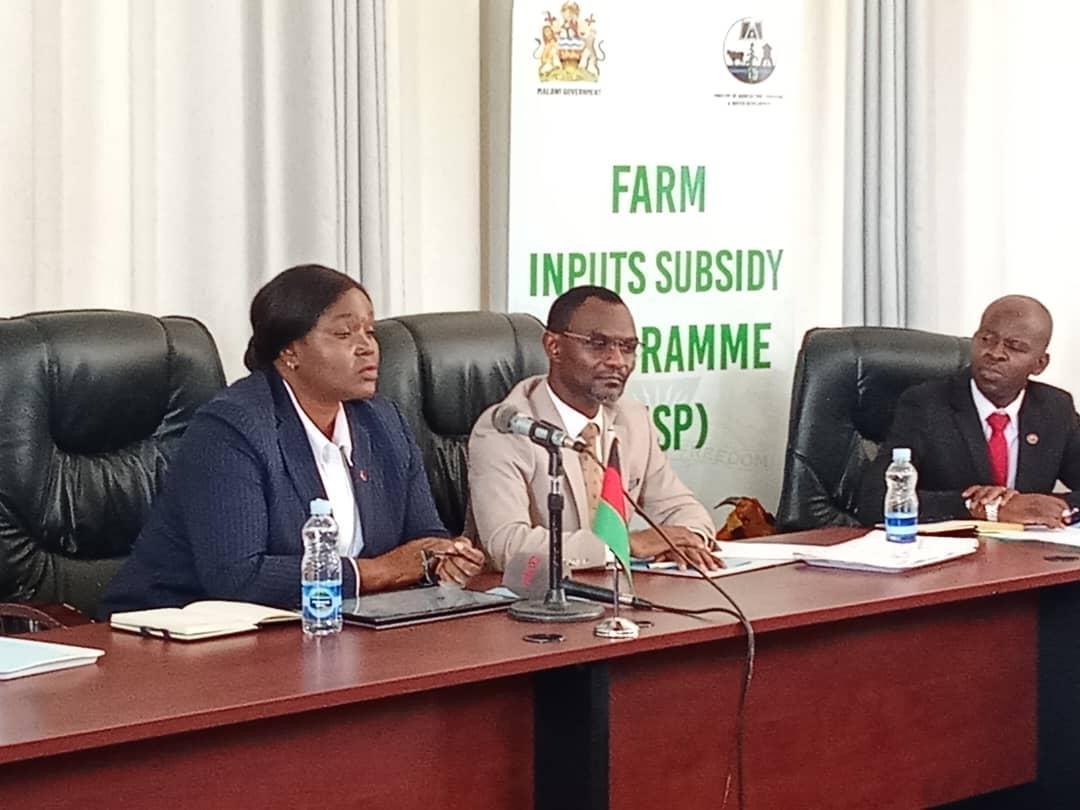
The shocking disclosure was made by Minister of Agriculture, Roza Mbilizi, during a joint press conference with the Ministry of Local Government and Rural Development, convened to brief the nation on the implementation of the multi-billion-kwacha subsidy programme.
Mbilizi confirmed that investigations have been launched following reports that some civil servants illegally inserted their own names into the FISP beneficiary list—effectively looting a programme meant for Malawi’s poorest farmers. Others, she revealed, are accused of buying National Identity Cards (IDs) from genuine beneficiaries so they could fraudulently access subsidised fertilizer.
“Let me be categorical. The Ministry will shield no one. Anyone found engaging in such criminal misconduct will face the full force of the law,” warned Mbilizi in a no-nonsense address.
The scandal widens further. Mbilizi revealed that some sales clerks, local leaders and agricultural officers are also under fire for allegedly extorting extra money from desperate farmers during registration and fertilizer purchasing processes.
“These are acts of economic sabotage against the poorest Malawians,” she said.
The Minister has since urged the public to expose all corruption linked to the programme through the toll-free anti-corruption hotline 3013.
On his part, Minister of Local Government and Rural Development, Dr. Ben Malunga Phiri, said his ministry will not tolerate corruption and abuse of office within district councils.
“We have instructed all District Commissioners to clearly highlight in their reports anything that is happening on the ground regarding the programme. No concealment will be tolerated,” Phiri said.
He assured the nation that councils have been placed on full alert to ensure FISP is implemented transparently and successfully.
The revelations come at a time when FISP has been massively expanded, with beneficiary numbers ballooning from 528,000 last season to an unprecedented 1.1 million this year—making the programme more vulnerable than ever to abuse.
The unfolding investigations threaten to expose one of the largest public service corruption networks ever linked to Malawi’s flagship agriculture programme. As fertilizer shortages bite and hunger looms, the question now gripping the nation is simple: Will the guilty finally be punished—or will this scandal fade into silence like many before it?
For More News And Analysis About Malawi Follow Africa-Press