By nyasatimes
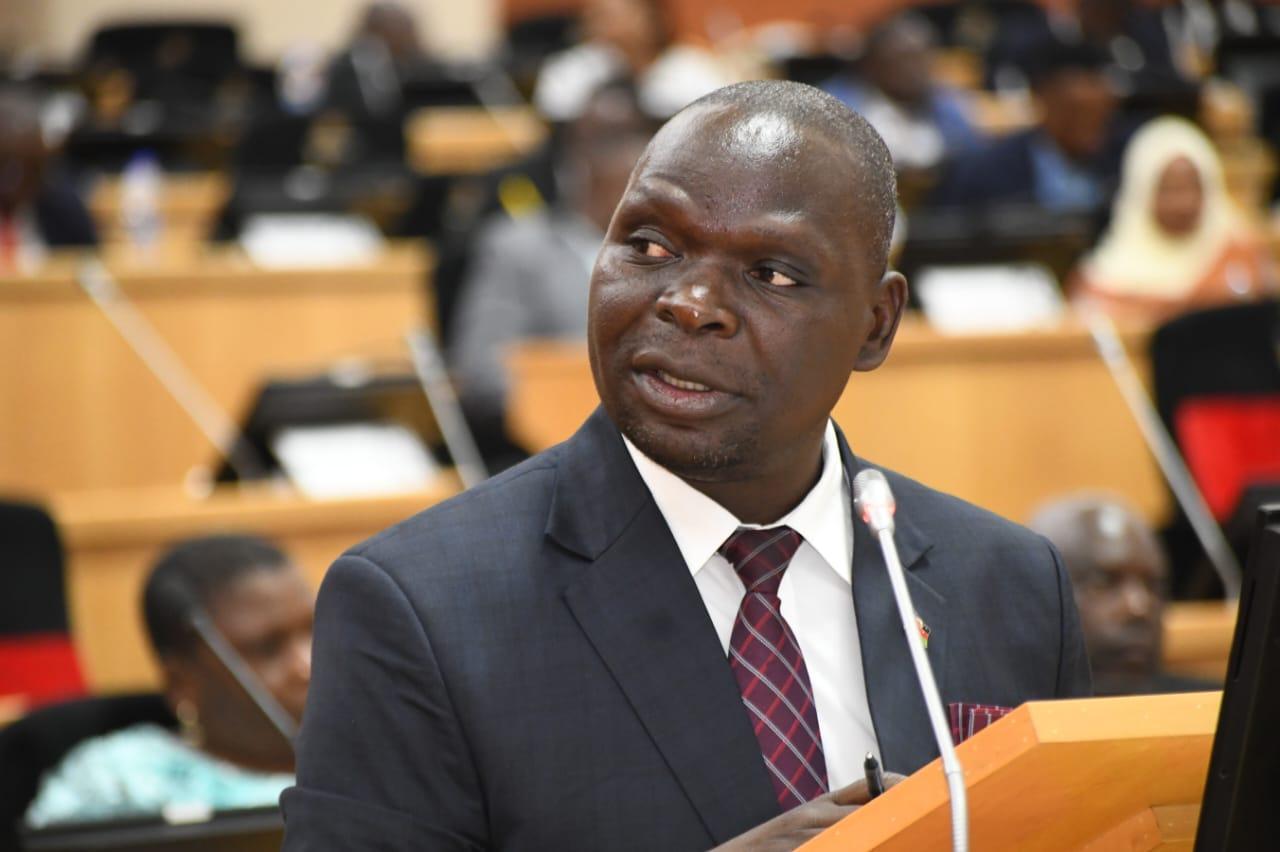
Africa-Press – Malawi. In a political space where silence is often mistaken for strategy and every answer is dissected for hidden intent, Simplex Chithyola Banda came across as a man determined not to be rushed into narratives he does not own.
Appearing on Zodiak TV’s Cruise 5 in a continuation of his conversation with Joab Chakhaza, the Leader of Opposition moved from the simplicity of his farming life into the complexity of Malawi’s political terrain. But even in that shift, one thing remained consistent—his calm.
Joab pressed him where it mattered. Rumours, alliances, ambitions—nothing was off the table. There is a growing narrative suggesting that Chithyola is quietly aligning himself with Lazarus Chakwera’s long-term plans, positioning himself for future reward. It was the kind of question that invites either a defensive denial or a careless admission.
He chose neither.
Instead, he leaned into order. He pointed to the constitution, grounding his response in process rather than politics. Chakwera’s leadership, he said, is valid until 2029. What happens beyond that is not a matter of speculation, but of constitutional direction. It was a subtle way of stepping away from the noise without directly confronting it.
Then came the more personal angle—the aftermath of the convention.
Many believe that his loss to Richard Chimwendo Banda created an unspoken divide within the party. Two influential figures. Two strong followings. And inevitably, camps forming around them.
But Chithyola did not accept that framing.
He dismissed the idea that his loss birthed divisions, refusing to reduce the party’s internal dynamics to a contest between two individuals. There was no hint of rivalry in his tone, no attempt to measure influence or command. Instead, he leaned on his faith, stating that leadership is not seized but given by God. In doing so, he removed himself from the centre of the supposed divide.
It was not just humility—it was control.
Because by rejecting that narrative, he also denied oxygen to the idea that the party is split along personal loyalties. Whether such divisions exist or not, he chose not to validate them publicly.
Still, he did not paint a perfect picture. He acknowledged that the party has its challenges, but quickly shifted to what matters—rebuilding. Not who is stronger. Not who commands more. But how the structure moves forward.
When the conversation turned to governance, his voice carried more edge.
He commended the government’s direction in mining, particularly the move to stop exporting unprocessed minerals. To him, that is not just policy—it is common sense. Malawi, he implied, cannot continue to export value it has not yet created for itself.
But on taxation, his tone sharpened. He pushed back against what he sees as an overburdened citizenry, arguing that excessive taxes choke productivity instead of stimulating it. On education, he challenged the idea of “free education,” pointing out the gap between policy and reality—where tuition may be removed, but the weight of boarding fees still rests heavily on families.
And then, almost quietly, he revealed his blueprint.
If given the opportunity to lead in finance again, he would strip away punitive taxes and replace them with a production-focused approach. An economy that produces before it taxes. One anchored on the “4 Fs”—Forex, Fuel, Fertiliser, and Food—a framework he once introduced and notes is now being followed.
By the end of the interview, one thing stood out.
This was not a man trying to outshine his rivals or position himself loudly for the next step. If anything, he seemed to be doing the opposite—stepping back from ambition, while stepping forward with clarity.
Whether that posture is permanent or simply patience at work is something time will answer.
But for now, Simplex Chithyola Banda is choosing a rare political stance—saying less about himself, and more about systems.
Source: Malawi Nyasa Times
For More News And Analysis About Malawi Follow Africa-Press