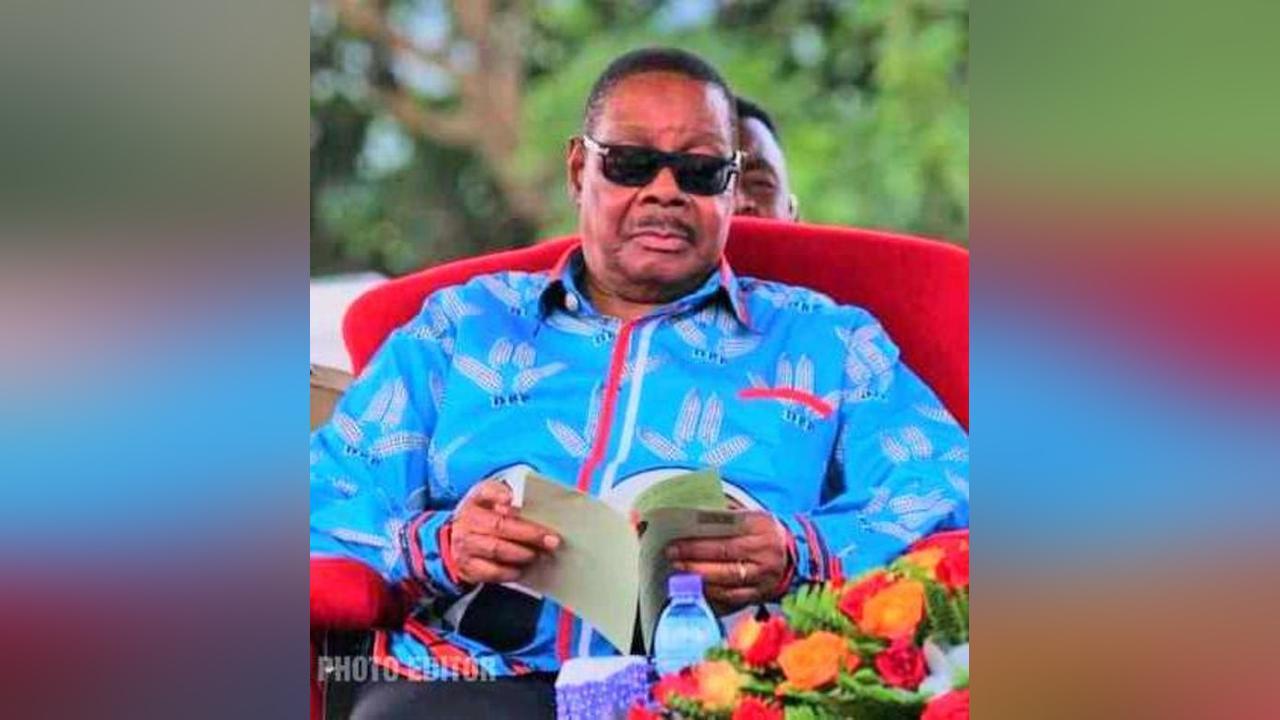
Africa-Press – Malawi. Arthur Peter Mutharika (APM) ‘s prolonged silence in opposition Democratic Progressive Party (DPP) from the day he was robbed off Victory as some argue, has been interpreted as a sign of weakness. However, upon closer examination, it becomes apparent that Mutharika’s silence holds tremendous political significance that could potentially propel his DPP forward.
To comprehend the implications of Mutharika’s silence, it is crucial to delve into the context surrounding his defeat in the presidential elections. For years, Mutharika had been a dominant figure in Malawian politics, steering the country through economic challenges and implementing various development programs. However, his tenure was marred by allegations of corruption and concerns regarding his government’s handling of human rights issues.
Following an intense electoral campaign in which the nation’s sentiment seemed divided, Lazarus Chakwera, leader of the opposition, emerged as the victor.
The defeat marked a significant blow to Mutharika and his party, leading many to question the future of the DPP. It was against this backdrop that Mutharika’s silence unfolded.
Initially, Mutharika’s silence was interpreted by some as a sign of defeat and a lack of acceptance. However, upon deeper analysis, it becomes evident that his silence is a calculated move.
By abstaining from immediately responding to his loss, Mutharika seeks to stabilize his party’s position and maintain a united front within the DPP. This strategic approach allows him to navigate the political landscape carefully and make informed decisions without external pressure.
Moreover, Mutharika’s silence is not only beneficial for the DPP but also for the democratic health of Malawi’s political system. It allows a smooth and peaceful transition of power, enabling the new government to take charge effectively.
Mutharika’s refusal to contest the election results or engage in any disruptive actions demonstrates his respect for democratic processes, promoting stability and public confidence in the system.
Additionally, Mutharika’s silence creates an opportunity for introspection within the DPP. The loss presents a chance for the party to reflect on its policies, strategies, and message to the voters.
By remaining silent, Mutharika allows the space necessary for the party to reassess its vision, reconnect with its supporters, and rejuvenate itself from within. This inward-focused period can lead to a revitalized DPP that presents a formidable opposition to Chakwera’s government. Furthermore, Mutharika’s quiet demeanor can be a tactical approach to gauge public sentiment and assess the political landscape more objectively.
By observing the reaction of the masses and analyzing the policies and initiatives of the new government, he can strategically position himself to address the concerns and aspirations of the Malawian people. This informational advantage can potentially enable the DPP to regain its footing and build a robust strategy for the future.
However, the silence of Peter Mutharika also has its limitations. While it may provide a temporary respite and an opportunity for reflection, an extended period of silence could lead to skepticism and disillusionment among party supporters. The absence of active leadership might create a void within the DPP, which could be exploited by political opponents or dissident factions within the party itself.
Therefore, finding the right balance between silence and engagement is crucial for Mutharika and the DPP moving forward. They must seize the moment to reposition themselves while avoiding alienating their support base. Mutharika must emerge from his silence at the opportune time, armed with a clear message and a renewed vision for the future.
In conclusion, the silence of former President Peter Mutharika following his loss in the Malawian presidential elections carries profound political significance. Initially perceived as a sign of weakness, his silence serves as a strategic move to help the DPP rebuild and strengthen itself.
By refraining from immediate reactions, Mutharika creates space for internal reflection and provides an opportunity to gauge public sentiment. This period of introspection could potentially result in a reinvigorated DPP, posing a credible opposition to Lazarus Chakwera’s government.
However, Mutharika and his party must strike a delicate balance between silent reflection and active engagement to avoid losing momentum and support. Only time will reveal the ultimate impact of Mutharika’s silence on Malawi’s political landscape.
For More News And Analysis About Malawi Follow Africa-Press