Africa-Press – Malawi. A reported abduction of a senior business figure in Malawi’s capital has sharpened anxieties in corporate circles already rattled by a string of high-profile killings and a broader rise in violent crime, prompting top security provider in Malawi, Target Security Group urge executives to treat personal protection as a balance-sheet issue rather than a lifestyle choice.
Police have yet to publish a full account of the latest incident, but local media reported that armed men abducted a senior figure linked to Lilongwe’s Crossroads Hotel — a fixture for business travellers and conference delegates — in what was described as a brazen operation in the city.
The episode has renewed debate over whether Malawi’s private sector and non-governmental sector — from banks and telecoms to fast-growing professional services firms — is underinvesting in “duty of care” at a moment when criminal tactics are becoming more organised and more openly violent.
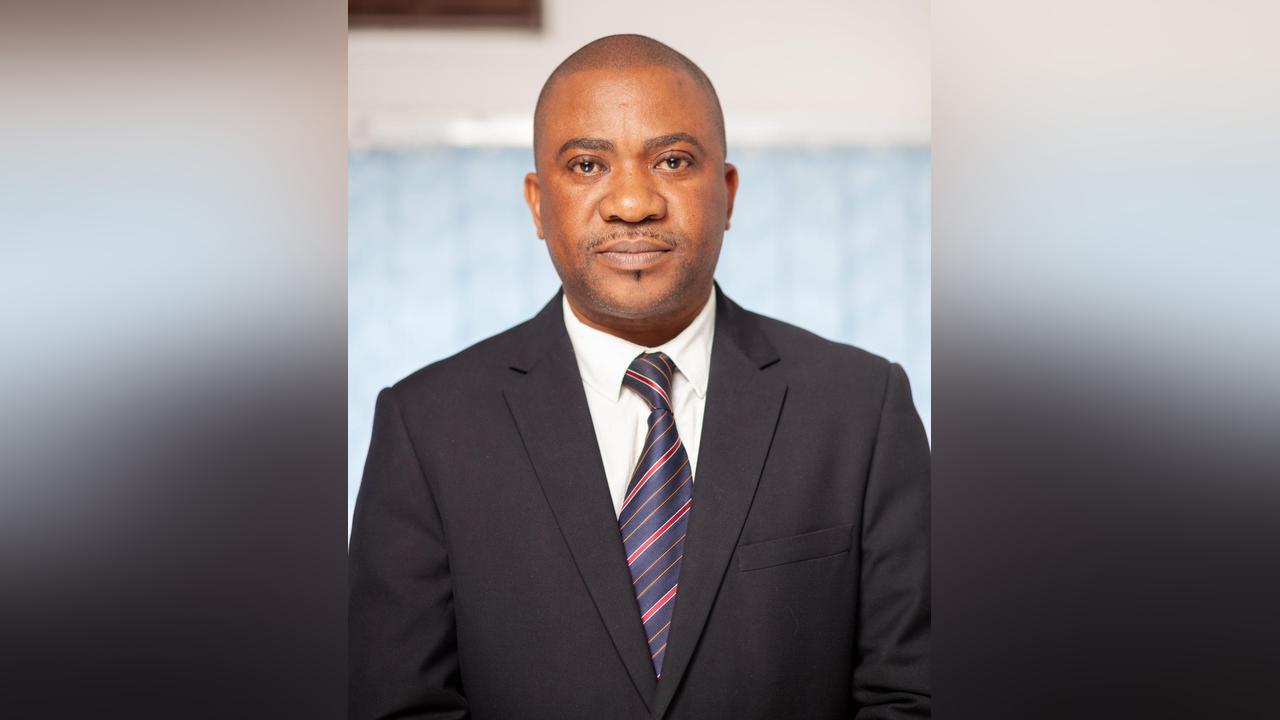
Davie Kavinya, chief executive officer of Target Security Group, a security provider in Malawi, said the reported abduction should be read as a warning that criminals are increasingly willing to target individuals perceived to have leverage — senior managers, entrepreneurs and investors — rather than limiting themselves to opportunistic theft.
“Security risks continue to evolve and require proactive responses from both individuals and organisations,” Kavinya said, adding that companies should encourage staff to avoid predictable routines, tighten residential security and seek professional risk assessments — particularly for high-profile personnel.
The business impact is more than reputational. Executives at several Lilongwe-based firms say they are being pressed by insurers and international partners to demonstrate robust controls: vetted drivers, secure transport protocols, access control at offices, and clear incident-response plans. For companies courting foreign capital, the risk calculus is increasingly shaped by whether key staff can move safely between home, office and client sites, a concern underpinned by grim national figures.
An analysis of Malawi Police data published last year showed 851 murders recorded in 2024 — down from 914 in 2023, but still equivalent to roughly 67 killings a month. Police cited robbery attacks, mob justice and land disputes among recurring drivers.
While homicide statistics alone do not measure the probability of any single executive being targeted, security specialists argue that sustained levels of lethal violence tend to be accompanied by copy-cat crimes, escalating brutality and a higher risk of “collateral harm” for bystanders.
Recent cases have helped cement that fear. In Blantyre, the killing of a doctor at Queen Elizabeth Central Hospital (QECH), an incident that drew public outrage because it struck at one of the country’s most important referral facilities and highlighted the vulnerability of professionals even in institutions associated with public service.
Separately, reporting on attacks against rangers and forestry officers has illustrated how criminals operating in illicit trades — from charcoal to wildlife crimes — can turn deadly when confronted.
Diplomatic facilities and foreign-linked sites are also reassessing their posture, security advisers say, not because Malawi has suddenly become an outlier but because threats to missions have become a recurring feature globally and regionally.
In Lilongwe, business leaders describe a city where senior staff are more reluctant to travel after dark, where families are demanding better home protection, and where firms are quietly shifting sensitive meetings away from routine venues. Some executives have begun using staggered routes and times, while larger employers are considering transport allowances tied to vetted drivers and escorts rather than cash.
Security firms argue that the biggest misconception is that protection is only for the ultra-rich. In fact, “mid-tier” targets — those with visible positions, company vehicles, or public profiles — can be attractive precisely because they may not have professional protection in place. That can increase the danger to the victim and to anyone nearby when criminals apply pressure or attempt to control a scene.
Target Security Group, a leading security provider in Malawi with offices in Blantyre, Lilongwe and Mzuzu, says it has begun engaging clients to review existing arrangements and is urging organisations to treat protection as prevention: planning before a crisis rather than improvising during one.
In practical terms, the company says its services include manned guarding for corporate and residential sites, executive protection (including personal protection officers and escort services), canine services, electronic security systems, and rapid response support — alongside residential security enhancements and confidential security risk assessment.
Kavinya says his nationwide security provider in Malawi is ready to deploy at short notice to support the work being done by Malawi Police Service. For confidential security consultations or emergency support, Target Security Group can be reached via its 24-hour operations desk on 0999827758 or [email protected].
Best Security company in MalawiCEO Davie KavinyaDavie KavinyaMalawi Security GuardingSecurity Company in BlantyreSecurity company in LilongweSecurity company in MzuzuTarget Secure DriveTarget Security Davie KavinyaTarget Security GroupTarget Security MalawiTarget Security VIP ProtectionTarget VIP ProtectionTop security company in malawi
For More News And Analysis About Malawi Follow Africa-Press