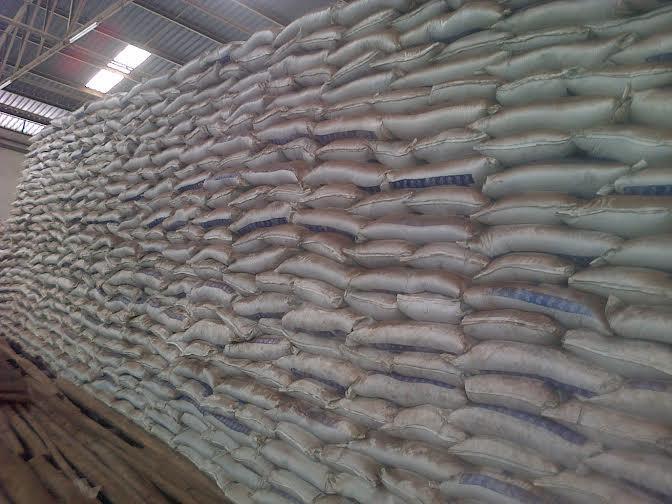
Africa-Press – Malawi. Malawi’s worsening fertiliser situation is once again exposing a deeper structural crisis in the country’s food production system, as global conflict-driven shocks push prices higher and threaten supply stability ahead of the 2026 farming season.
In rural areas such as Lombwa Village under Traditional Authority Khongoni, farmers are already preparing fields for winter cropping, but anxiety is rising fast. For many smallholder farmers, the central question is no longer just about rainfall or pests—it is whether fertiliser will even be available or affordable.
One farmer, Watson Samuel, said the pressure has become unbearable as global instability feeds directly into local agriculture costs.
“I have never benefited from government subsidy programmes. Fertiliser is unaffordable for a small-scale farmer like me,” he said, warning that winter farming may collapse for many households if prices continue to rise.
His fears are already being confirmed at market level. A 50kg bag of Urea, which cost around K150,000 in February, has risen to about K185,000, while NPK fertiliser has followed the same trend, with prices in some areas reaching up to K200,000.
Behind these price shocks is a global supply chain under strain, largely linked to conflict in the Middle East affecting key shipping routes such as the Strait of Hormuz. This corridor is critical for global fertiliser and fuel movement, and disruptions there are now being felt directly in Malawi’s agriculture sector.
The Fertiliser Association of Malawi says the country is heavily exposed, with about 35 percent of urea imports and 23 percent of phosphate-based fertilisers passing through the affected route. Industry officials warn that if instability continues, shortages are highly likely.
“If the war persists, there could be a shortage,” said association executive administrator Hannah Makhambera, adding that import costs are already rising due to disrupted supply chains.
Experts say the crisis is not only about fertiliser but also about fuel, which powers the entire agricultural value chain—from land preparation to transport and distribution.
The Centre for Agricultural Research and Development at LUANAR warns that rising global oil prices linked to the conflict could push inflation in Malawi sharply upward, with price increases potentially ranging between 10 percent and 50 percent depending on severity.
Its executive director Innocent Pangapanga said the economic shock will hit ordinary households hardest, especially rural communities already living close to the poverty line.
“With Middle East-driven fuel price shocks, real incomes are expected to decline, consumption to contract and poverty and food insecurity to intensify,” he said.
He warned that the impact is “regressive,” meaning it disproportionately affects poorer households that have fewer coping mechanisms and depend heavily on food purchases.
The Food and Agriculture Organization (FAO) has also projected that global fertiliser prices could remain 15 to 20 percent higher in early 2026 if current disruptions continue, further tightening pressure on countries like Malawi that rely almost entirely on imports.
At the policy level, government response has so far been described as reactive rather than structural. Ministry of Agriculture officials had not responded to inquiries on preparedness, while the Ministry of Finance has acknowledged the crisis and indicated that Malawi has appealed for support through the World Bank’s Rapid Response Facility.
Minister of Finance Joseph Mwanamvekha admitted that the war is already affecting key commodities.
“Fuel, fertiliser and other essential commodities have increased in price. We have asked for assistance to cushion these shocks,” he said.
However, analysts warn that Malawi’s vulnerability goes beyond temporary global shocks. Annual fertiliser demand of 400,000 to 500,000 metric tonnes is consistently exposed to external disruptions, and past shortages have already translated directly into reduced maize production.
In the 2024/2025 season alone, a fertiliser shortfall of about 110,000 metric tonnes contributed to a maize deficit of roughly 600,000 metric tonnes—linking agricultural input instability directly to national food insecurity.
What is emerging, observers say, is not just a price crisis, but a structural dependency problem: a food system heavily reliant on imported fertiliser, global fuel markets, and unstable supply routes.
Without long-term investment in local fertiliser blending, energy alternatives, and resilient agricultural systems, experts warn that Malawi will continue to face repeated cycles of food insecurity every time global tensions escalate.
For More News And Analysis About Malawi Follow Africa-Press