Africa-Press – Malawi. Malawi is in the grip of a terrifying rainy season that has already claimed 14 lives and left more than 8,096 households counting the wreckage of shattered homes and broken futures. What began as routine seasonal rainfall has quickly turned into a national nightmare.
Department of Disaster Management Affairs (DoDMA) Commissioner Wilson Moleni confirmed the rising death toll yesterday, saying official records currently show 10 people killed and 46 injured by lightning. But he warned that the true numbers are likely higher, as assessments often reach disaster zones long after tragedy has struck.
“We are asking people to follow weather updates during the rainy season,” Moleni pleaded in a phone interview — a warning that now feels chillingly inadequate against the scale of destruction.
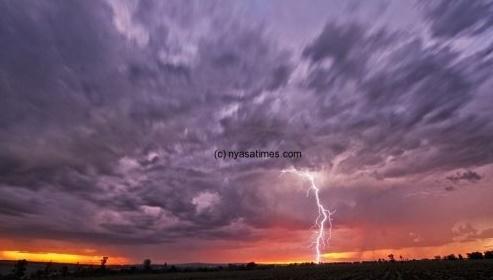
Independent figures gathered by Nyasatimes paint an even darker picture: at least 14 people have been killed by lightning since December 1.
The deaths read like a grim map of a country under siege:
Neno: two people struck dead on December 1.
Machinga: one person killed the same day.
Mangochi: two more lives lost on December 2 as heavy rains ripped through houses.
Mzimba: two young men electrocuted on December 4 as they prepared to play football at Embombeni Ground.
Chikwawa, Dowa and Kasungu: seven people killed on Wednesday alone — including two sisters aged just 19 and 11, and a Standard Seven learner.
Families who went to sleep expecting rain woke up to horror. Communities are burying children and siblings with no warning, no chance to run, no chance to fight back.
The destruction has also crippled critical infrastructure.
Electricity Supply Corporation of Malawi (Escom) spokesperson Pilirani Phiri said stormy winds and pounding rains in Lilongwe and other districts have torn down trees and electricity poles, plunging many areas into darkness.
“This weather has caused significant infrastructure damage… resulting in service interruptions in most parts of the country,” he said.
Roads Authority chief executive officer Ammiel Champiti added that mudslides and damaged drainage systems are threatening major roads, forcing crews into constant emergency repairs.
And the storm clouds are far from gone.
The Department of Climate Change and Meteorological Services (MET) has warned that thunderstorms and heavy rains will continue until Saturday, with a high threat of flash floods along lakeshore districts and parts of the Central and Southern regions.
Blantyre City Council has issued its own alert of possible destructive rainfall in the city.
The MET has urged Malawians to stay indoors, avoid open spaces, avoid tall trees and metal objects, and keep livestock in safe areas as lightning persists across the country.
Last year during the same period, 11 deaths were recorded — eight from lightning. This year’s toll has already surpassed that figure, and the rains have barely begun.
For many families, this disaster is not just statistics — it is fresh grief, open graves, and the terrifying knowledge that the next strike could fall anywhere, on anyone.
For More News And Analysis About Malawi Follow Africa-Press