Africa-Press – Malawi. Malawi has suffered profound economic fallout from disrupted wheat and fertilizer imports from the Black Sea region due to the Russian invasion of Ukraine, which clocks four years this week.
Interviews with stakeholders reveal how the war ignited sharp price hikes, fueling inflation and crushing household budgets in Malawi.
These strains intensified after two devastating cyclones—Ana and Gombe in early 2022—razed crops and infrastructure just as global supplies faltered.
The war has cost Malawi and the rest of Africa billions, deepened hunger for 278 million people (per UN estimates), and exposed systemic fragilities.
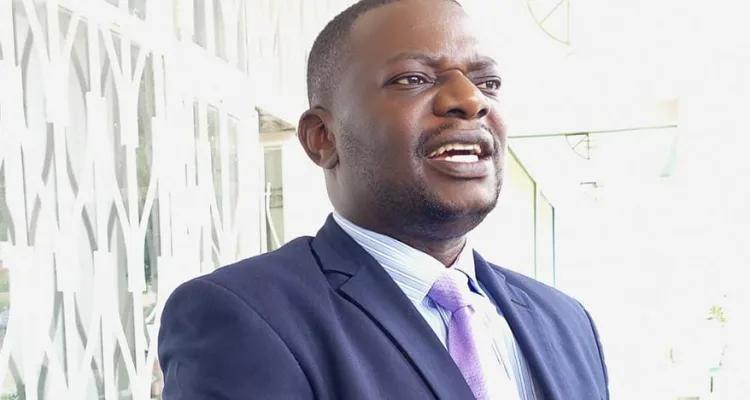
Grace Mijiga Mhango, President of the Grain Traders Association of Malawi, said Malawi’s story mirrors the continent’s urgent call for resilience and resolve.
She called the war’s first two years “brutal” for the sector, especially inputs.
“Logistics costs skyrocketed, and fertilizer supplies dried up, widening food gaps not just in Africa but Europe too,” she said. Yet, opportunity emerged: “African producers stepped up. As grain traders, we’ve fielded massive inquiries from Dubai, India, China, South Africa, and Arab states. Malawi alone can’t meet the demand.”
Mhango called for African unity: “It’s time we speak with one voice for a ceasefire—or impose continent-wide sanctions. The war’s trillions could transform Africa into a first-world powerhouse. It must end now.”
In a separate interview, Octavian Kadzitche, a history lecturer at the Catholic University of Malawi (CUNIMA), highlighted broader ripple effects: disrupted global supply chains drove up living costs across Africa. Western donors, fixated on Ukraine aid, have diverted billions from the continent, exacerbating Malawi’s woes.
“The crisis strengthened the dollar while weakening Southern African currencies,” he noted. “Zambia, Zimbabwe, Malawi, and Mozambique faced brutal exchange-rate pressures, making foreign debt repayments nearly impossible.”
He also raised alarms over Africa’s youth: over 1,400 from the continent were lured via social media scams promising jobs, only to die on Ukrainian frontlines.
“This tragedy spotlights leadership failures in Malawi and Africa,” he said. “Young Africans must demand accountability to build real opportunities at home, curbing desperation that wealthy nations exploit for cannon fodder.”
Kadzitche advocated neutrality rooted in international law, setting precedents for all nations. He pressed African governments toward self-sufficiency in food and energy to shield against future shocks, warning youth against “attractive” jobs or scholarships from Russia or Ukraine: “They’re recruitment traps, and weak governments can’t protect you.”
Initially, central to these concerns is also the Alabuga Start program, which is marketed through social media with attractive relocation packages.
The program is said to have lured young men and women from African nations, including Malawi, with the promise of work and study in Russia.
Investigative reports by the Associated Press and other international media suggest that young men are currently working in Russia’s Alabuga Special Economic Zone (SEZ)—a site reportedly used for enemy drone production.
The program has of late come under intense scrutiny for alleged human trafficking and forced labour.
The gravity of the situation is underscored by the latest International Labour Organization (ILO) data, which reveals that nearly 21 million people worldwide are victims of forced labour—trapped in jobs they were deceived into and cannot leave.
While South Africa, Botswana, and Kenya have launched active investigations to trace and repatriate their citizens from Russia, Lilongwe has yet to confirm the status of four Malawians reported to be trapped in similar conditions.
Malawi treads a diplomatic tightrope, censuring Russia at the UN yet accepting its 2023 fertilizer aid, while Ukraine donated 14,500 tonnes of corn amid El Niño droughts.
This balance hampers protests over exploited citizens—like four Malawian youths reportedly trapped in Russian drone factories, which authorities deny knowing about.
Ukraine reports over 1,400 African recruits from 36 countries fighting for Russia; they’re deemed enemy combatants, with surrender as the sole escape.
Nigeria decried two citizens killed last week, per Premium Times. Kenya’s intelligence revealed 1,000 recruited via rogue officials and traffickers—89 on frontlines—forcing Nairobi to shutter 600 agencies, repatriate 27 fighters, and offer de-radicalization.
For More News And Analysis About Malawi Follow Africa-Press