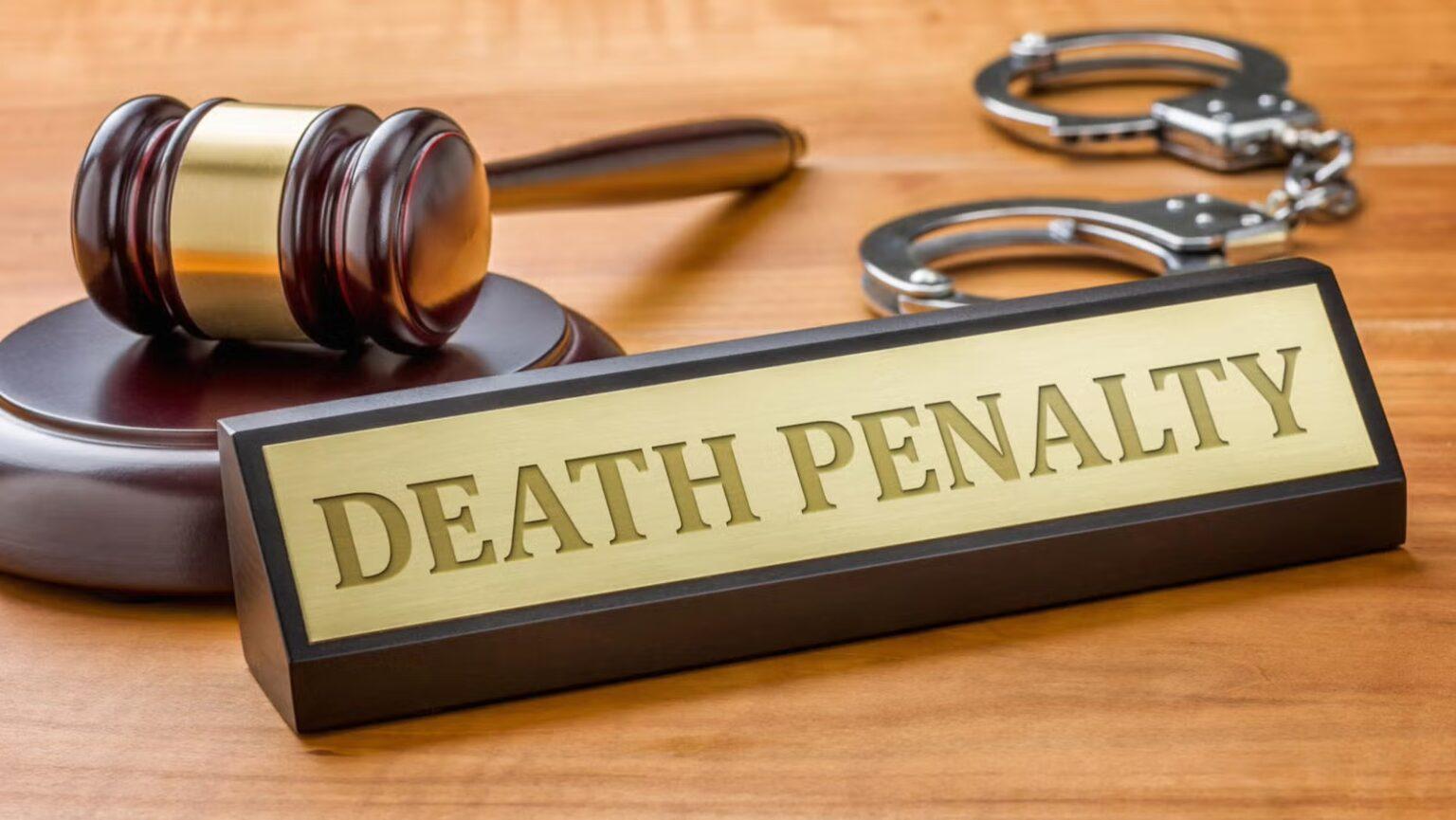
Africa-Press – Malawi. Malawi stands at a critical moral and legal crossroads: should it continue to maintain the death penalty, a colonial-era relic, or join a growing chorus of nations moving toward abolition? Recent recommendations from 31 United Nations member states urging Malawi to scrap capital punishment have once again thrust this question into the spotlight. Yet, decades after independence, the nation has still not taken decisive action.
The death penalty has remained on Malawi’s books, enshrined in the Penal Code (Cap. 7:01) and the Criminal Procedure and Evidence Code (Cap. 8:01), even as a de facto moratorium—a thirty-year-long unofficial halt on executions—has been observed. According to the Ministry of Justice and Constitutional Affairs, only one prisoner currently remains sentenced to death. While this might suggest Malawi has quietly moved away from executions, the law tells a different story: the death penalty remains a looming threat, undermining the very rights it purports to protect.
UN member states reviewing Malawi’s human rights record through the Universal Periodic Review have highlighted this anomaly. While the country has made progress in several areas of human rights, the continued existence of capital punishment is seen as a glaring contradiction to Malawi’s professed commitments. “While the country hasn’t executed anyone in three decades, maintaining what’s called a de facto moratorium, the death penalty remains on the books,” notes Parliamentarians for Global Action, an international network of legislators advocating for human and environmental rights.
Across the African continent, 28 of the 55 African Union member states have abolished the death penalty, while 14 maintain moratoria. Malawi’s hesitation to join this majority raises uncomfortable questions: why cling to a system increasingly seen as outdated, unjust, and contrary to human dignity?
Discover moreAviation industry newsMalawi farming toolsReligious books MalawiMalawi political biographiesEducation news updatesMalawi coffee beansHealth sector reportReligious news updatesMalawi travel guideSports news coverage
Human rights experts argue that retaining capital punishment undermines Malawi’s own legal framework. Commissioner Grace Malera of the Malawi Human Rights Commission points out that the country’s Constitution enshrines one of the most progressive Bills of Rights in Africa, including the right to life—yet the death penalty persists, a vestige of colonial law. Victor Mhango, Executive Director of the Centre for Human Rights Education Advice and Assistance, adds that holding on to capital punishment diminishes Malawi’s credibility in justice sector reforms, sending mixed messages to both citizens and the international community.
Abolishing the death penalty is not merely a legal technicality; it is a political and human rights imperative. It would require careful amendment of key legislation, ratification of international protocols such as the Second Optional Protocol to the International Covenant on Civil and Political Rights, and, most importantly, courageous leadership willing to confront entrenched social and political attitudes.
Critics of abolition often cite public demand for “justice” and deterrence, but international research and experience consistently challenge these claims. Capital punishment has not been shown to effectively deter crime, and wrongful convictions—sometimes irreversible—remain an ever-present risk.
The question Malawi now faces is profound: will the nation continue to cling to a symbolic relic of colonial repression, or will it embrace the principles of modern justice, human dignity, and rule of law? Thirty-one UN member states, human rights experts, and regional peers have already weighed in. The decision now rests squarely on Malawi’s leaders—and, ultimately, its people.
The challenge is clear: Malawi can maintain the death penalty and continue a fragile moratorium, or it can abolish it, aligning law with values, and signal to the world that human rights and justice are not negotiable. The time for ambiguity has passed. The question is no longer if the death penalty exists—it is whether Malawi will finally have the courage to end it.
For More News And Analysis About Malawi Follow Africa-Press