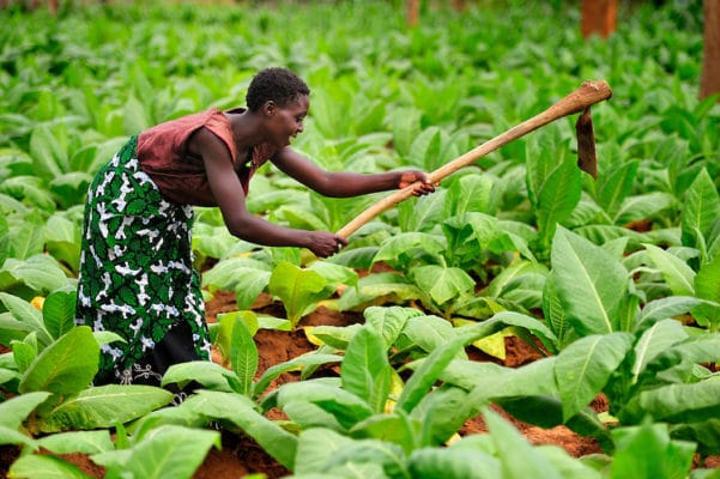
Africa-Press – Malawi. Tobacco cultivation and production have long been deeply ingrained in the history, economy, and culture of Malawi. Despite increasing calls for tobacco control worldwide, the country continues to rely heavily on this cash crop. Many people want to know the reasons behind Malawi’s continued attachment to tobacco, even in the face of significant anti-smoking lobbying efforts.
Historical Significance of Tobacco in Malawi
Tobacco has played a prominent role in Malawi’s history, dating back to the country’s colonial era. Introduced by British colonizers, tobacco quickly became a vital export commodity, contributing significantly to Malawi’s economy. The crop’s profitability and agronomic suitability persist to this day, explaining the deep-rooted reliance on tobacco in the country.
Economic Dependence
Malawi remains predominantly an agrarian nation, with more than 80% of the population relying on agriculture for their livelihoods. Tobacco accounts for a considerable portion of Malawi’s foreign exchange earnings, contributing significantly to its GDP and employment generation. As a result, many farmers and communities became dependent on tobacco as their primary source of income without viable alternatives readily available.
Infrastructure and Market Constraints
The tobacco industry in Malawi has established an extensive infrastructure over the years, supporting activities such as cultivation, processing, and exportation. This comprehensive network provides essential services and employment opportunities for thousands of Malawians. Shifting away from tobacco would require substantial investments in alternative crop development, infrastructure realignment, and retraining of farmers and workers, which poses significant challenges.
Limited Diversification Opportunities
Despite ongoing efforts to diversify its agricultural sector, Malawi faces several hurdles in promoting alternative crops. The process of transitioning from tobacco to other commodities is complicated and time-consuming due to factors such as market demand, accessibility to new markets, appropriate agricultural practices, and farmer education. The lack of necessary resources and knowledge often further impedes diversification efforts, leaving farmers with little choice but to continue tobacco production.
Global Trade Imbalances
Malawi’s socio-economic status is largely shaped by global trade dynamics. Developing countries like Malawi often find themselves at a disadvantage when negotiating international trade policies, which can disproportionately affect their economies. Global powers and multinational corporations, particularly those involved in the tobacco industry, hold substantial influence over trade regulations, making it difficult for developing nations like Malawi to break free from tobacco’s grip.
Political Influence
The political landscape in Malawi significantly impacts the country’s stance on tobacco. Political actors often align their interests with those of powerful stakeholders within the tobacco industry. These alliances can shape government policies and legislation related to tobacco control, undermining the promotion of alternative livelihoods and sustainable development. Political will, therefore, becomes a determining factor in the ability to prioritize health and economic diversification over tobacco production.
Cultural and Societal Factors
Tobacco has become deeply woven into the cultural fabric of Malawi, with a rich history and strong social significance. Traditional practices such as gift-giving, ceremonies, and communal activities often involve tobacco leaf offerings. These cultural ties, as well as the normalization of smoking, pose additional barriers to reducing tobacco usage. Overcoming deeply rooted cultural customs requires time, education, and community engagement.
Conclusion
While worldwide efforts to curb smoking and promote alternatives to tobacco are crucial, it is essential to recognize the multifaceted reasons why Malawi continues to cling to tobacco as a cash crop. Addressing these challenges requires a comprehensive approach, including increased investment in education, healthcare, and infrastructure, as well as the development of sustainable alternative livelihoods. Balancing the economic needs of the country with the health consequences of tobacco poses significant challenges, but with concerted efforts from local and international actors, Malawi can gradually transition to a less tobacco-dependent society.
For More News And Analysis About Malawi Follow Africa-Press