Africa-Press – Malawi. If you ask those who were around when Malawi gained its independence from colonial rule 59 years ago, they charge with heavy hearts that the country was supposed to be better economically than its neighbours.
From those days, they argue, hard work, dedication and patriotism were prevalent among Malawians until a new dispensation in 1994 changed everything. Malawi’s independence must be understood within the realm of pre and post-colonial administrations.
It is necessary to note that at the helm of the struggle from the British colonial masters was Dr Hastings Kamuzu Banda, who later ruled the country for three decades and died in 1997.
The battle was part of a larger struggle in Africa against colonialism and imperialism. In Malawi, several high-profile people were involved in the struggle. They include Orton Chirwa, Masauko Chipembere, Augustine Bwanausi, Chief Mwase, Inkosi Gomani and Dunduzu Chisiza and others.
Dr Banda, according to available literature, did his best to develop the country, even though he was also accused of torturing his opponents and generally ruling the country with an iron fist.
It is still important to acknowledge his numerous developments that he undertook for Malawi albeit against the backdrop of Britain’s policy of under-developing Nyasaland.
Of the three federal states, Nyasaland was extensively exploited for its labour and used as a guarantor of colonial loans for mega projects, especially the Beira Railway, the Zambezi Bridge and the Kariba Hydropower Station all to the benefit of the federal capital, Southern Rhodesia.
Economic historians argue that after over 70 years of colonial rule, at independence in 1964, there was nothing worthy pointing at done by the British administration despite that they had done a lot in Zimbabwe and Zambia, where the colonialists established industries in the mining sector.
Dr Banda built a remarkable national road network with the most prominent ones being the M1 and the Lakeshore roads. His government also constructed secondary schools and university colleges. Malawi’s education system was among the strongest in Africa.
Today, we have one of the worst education systems on the continent. In the health sector, almost in every district, referral hospitals were constructed, catering for patients from health units and clinics from faraway places within the district.
The general healthcare and medical services were of good quality with no shortage of basic medicines in hospitals. Medical personnel, including doctors and nurses were dedicated to their work.
Of course, it is important to acknowledge that Dr Banda could have done better in terms of developing this country considering that he was in power for 30 years.
However, as highlighted above, the foundation that the colonialists had laid was not aimed at developing this country. At this point, let us look at what happened after Dr Banda lost the 1994 election and handed over power to the United Democratic Front led by Bakili Muluzi.
The change of government from the one party system to multiparty bright with it mixed fortunes. While on the one hand, people were free to express themselves freely without having their rights unduly curtailed by anyone, many things went haywire.
For instance, security had all the time been tight across the country until we loosened the grip and allowed criminals to go about their business as it that was the normal way of doing things.
We are still paying the price of such a turn of events. Now, today as we commemorate 59 years of our independence, is there really anything to celebrate?
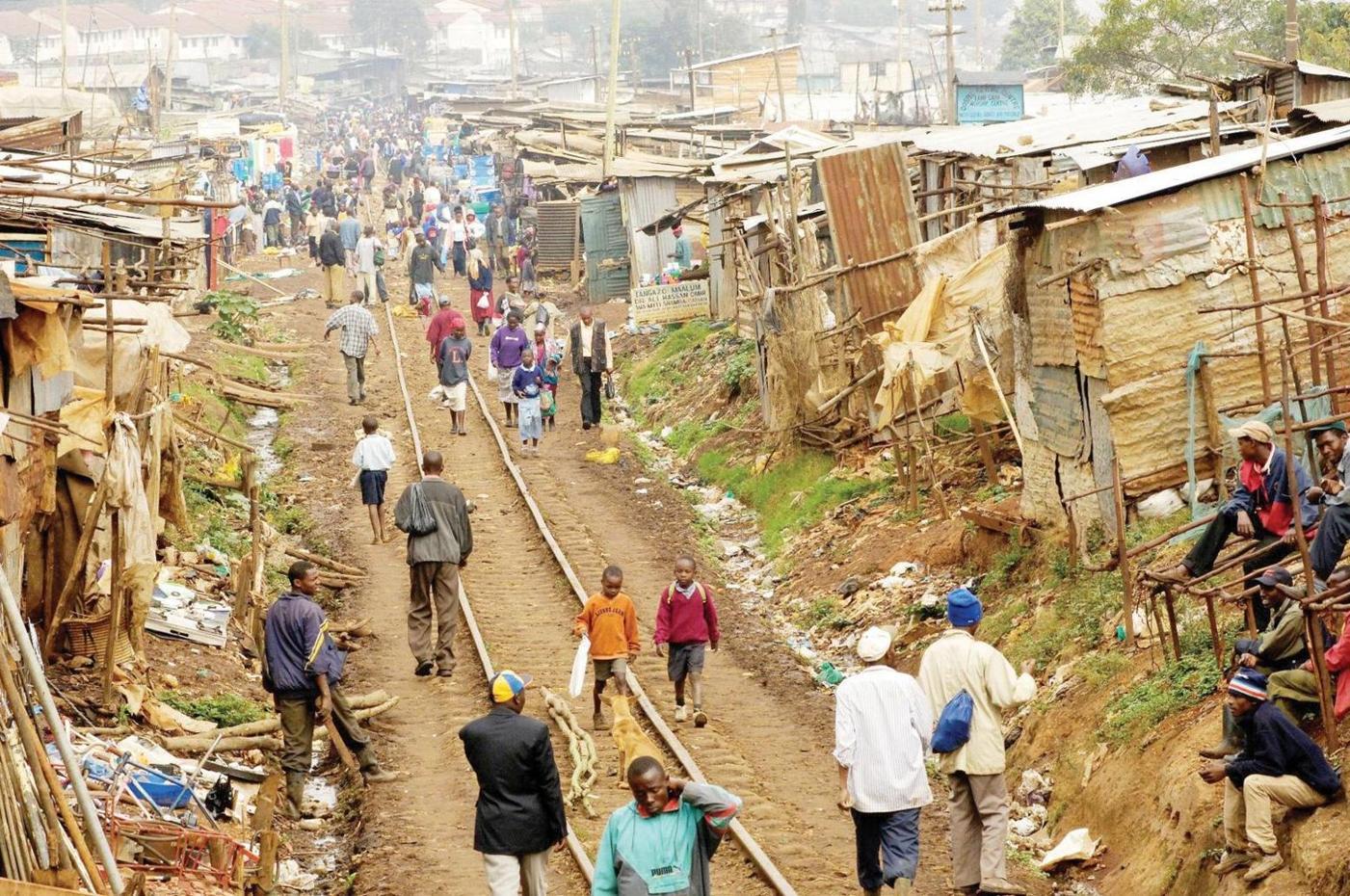
The truth is that we remain one of the poorest countries in the world because of many factors including corruption and general disregard of rules. Billions of Kwacha are being siphoned out of the public purse, thereby derailing development.
“I was there when we got independent. I was already married with children. With our country in our own hands, we were more dedicated than ever before to improve our own welfare. We did not wait for someone to do that for us. Now, people want to steal to become rich. It is shameful,” John Mchombo, 79, says.
The resident of Chilobwe Township in Blantyre calls for “drastic mindset change” and a return to the “abandoned moral code”. He says sometimes it is not about laws and punishment, but rather about being human.
Mchombo wonders why despite many conferences highlighting the importance of mindset change, Malawians are still stuck with corruption and laziness. He adds that the promise of independence has not been met yet because the majority of Malawians are living in poverty and access to basic social services remains a big challenge.
“Look at how poor most Malawians are. Look at how our schools remain of poor standard. talk of how hospitals are struggling to have very basic drugs. That is not the promise of independence, more so when we talk about 59 years of self-rule,” Mchombo says.
In one of his articles that appeared in The Daily Times sometime back, revered historian the late Desmond Dudwa Phiri warned of the consequences of inequalities where poverty and riches stand side by side.
“Gross inequalities have been the causes of social and political upheavals. The general poverty of a country does not often give rise to revolts and civil wars, provided there are no gross economic and political inequalities.
“Some countries in Africa have known revolts the size of the Arab Spring though they are much wealthier than Malawi. This is because of the inequalities. So far, the inequalities in Malawi have not been blatant, hence most people have been difficult to invite into revolts,” Phiri said.
He, however, warned that Malawians should not be taken for granted, arguing they can change from their apparent docility to violence when they notice the privileged basking in luxury with the majority living in poverty.
Today, Mchombo—himself a political economist by training—says while inequalities in Malawi are not very pronounced across the country, there obviously are cases where the poor look at the ruling elite as parasites who pin them down in such poverty.
“In many African countries where there are conflicts, the issue of poverty cannot be taken out of the picture.
“We are peaceful in Malawi currently, but there is no guarantee that such will be the case tomorrow. We should all be worried especially now when people are becoming more and more enlightened,” he says.
For More News And Analysis About Malawi Follow Africa-Press