Africa-Press – Malawi. The Malawi Energy Regulatory Authority (MERA) has moved to justify a steep and punishing increase in fuel prices, pushing petrol to K6,672 per litre and diesel to K6,687—an escalation of 34 percent and 35 percent respectively that is set to ripple across every corner of the economy.
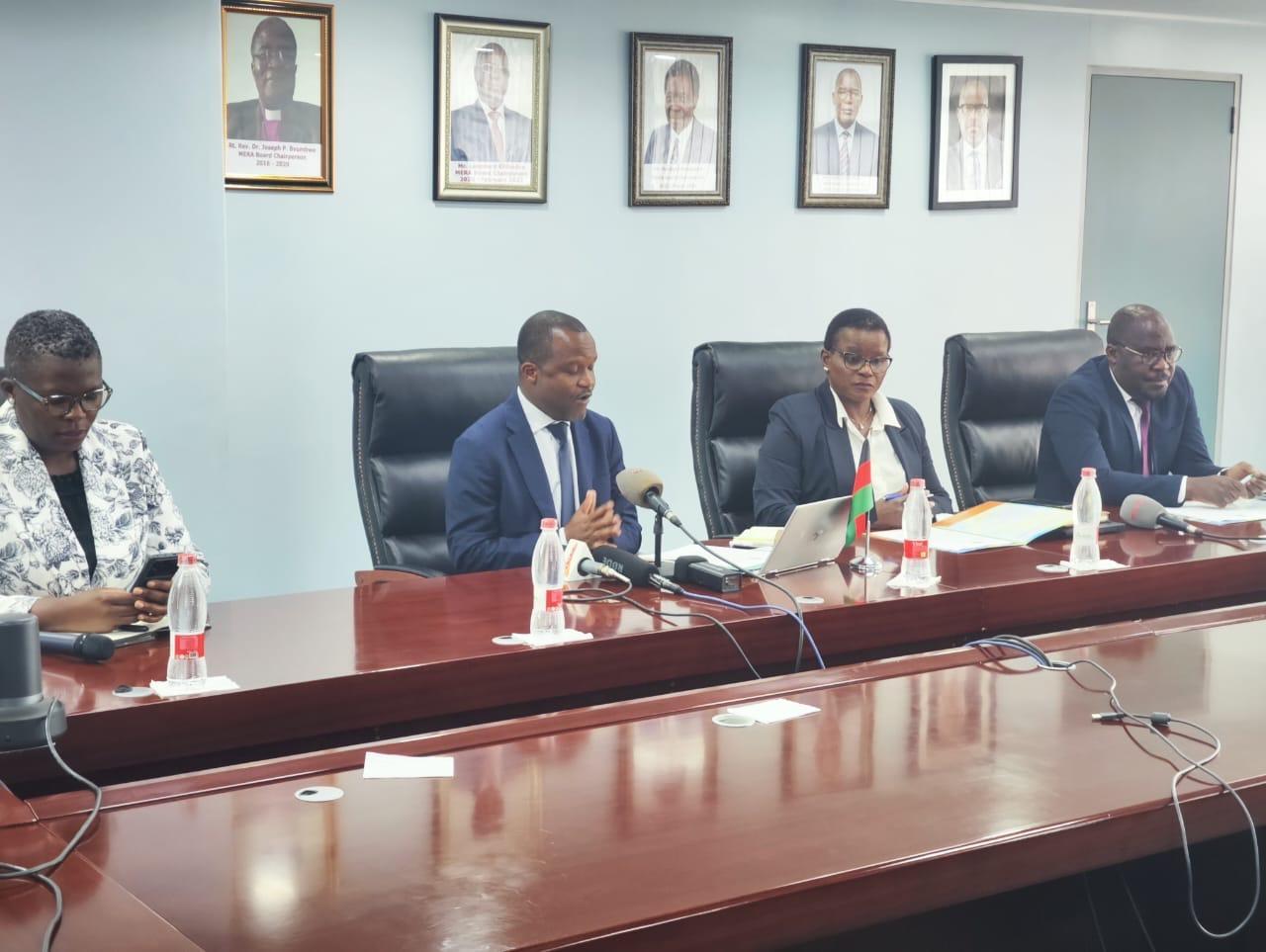
The hike, announced amid growing public frustration, has been attributed to surging global oil prices and deepening geopolitical tensions in the Middle East, according to MERA’s acting Chief Executive Officer, Dad Chinthambi.
But for ordinary Malawians already suffocating under economic pressure, the explanation offers little comfort.
Chinthambi said the adjustment is triggered by the Automatic Pricing Mechanism (APM), which compels authorities to revise fuel prices whenever key cost drivers shift by more than five percent. He cited rising import costs, market distortions, and the burden of statutory levies as unavoidable factors behind the increase.
“The Malawi Energy Regulatory Authority wishes to inform the public on the current fuel supply situation in light of recent global developments affecting petroleum markets,” he said.
At the centre of the crisis are volatile global supply chains, with MERA pointing to instability in the Middle East—including disruptions around the Strait of Hormuz, a critical artery for global oil shipments—as a major driver of rising prices.
Yet the domestic consequences are immediate and severe.
With fuel sitting at the heart of transportation and production, the increase is expected to trigger a chain reaction—pushing up the cost of goods, tightening business margins, and deepening the already fragile cost of living crisis. The Malawi Confederation of Chambers of Commerce and Industry has already warned that businesses will be forced to absorb the shock, with potential fallout including job losses and threats to food security.
Despite the grim outlook, MERA insists it is in control.
Chinthambi said the authority is working closely with fuel importers and key stakeholders to stabilise supply and ensure continued availability of petroleum products nationwide. He added that MERA is closely monitoring international markets and stands ready to take further measures within its mandate.
But behind the assurances lies a hard truth: Malawi, as an import-dependent economy, remains dangerously exposed to global shocks it cannot control.
As fuel prices surge and economic pressure mounts, the burden is once again shifting to ordinary citizens—raising urgent questions about how long households and businesses can withstand the strain.
For More News And Analysis About Malawi Follow Africa-Press