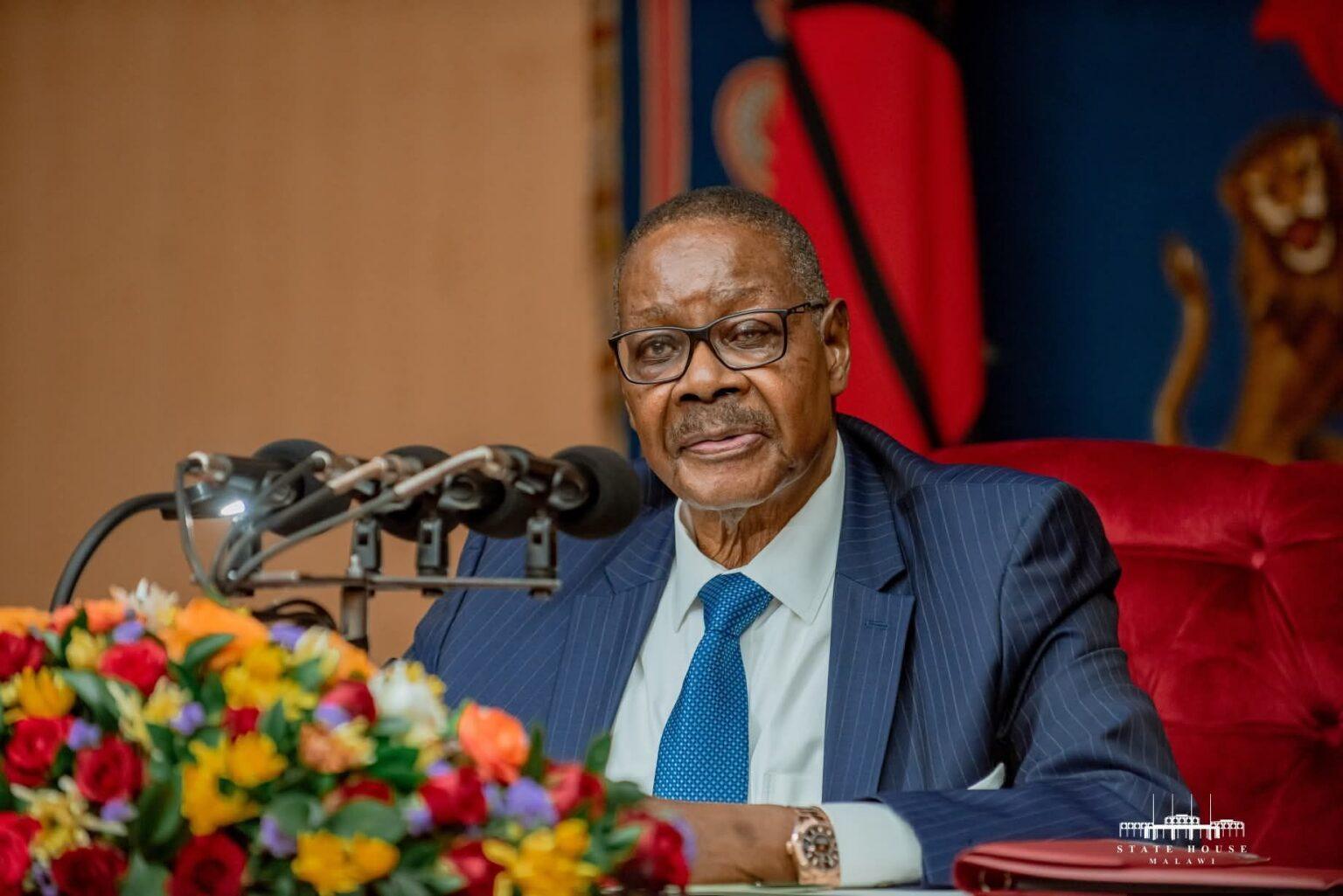
Africa-Press – Malawi. President Peter Mutharika has initiated the process of constituting the long-awaited Judicial Service Commission (JSC), a move that comes just weeks after sustained public pressure and an unprecedented intervention by the Malawi Law Society (MLS).
State House has confirmed that the process is now underway, signaling what many see as a reluctant but critical response to growing unease over judicial accountability—an unease reignited by the Supreme Court of Appeal’s controversial ruling involving Finance Bank Malawi.
“The President appreciates the importance of having the Judicial Service Commission fully functional,” said State House spokesperson Cathy Maulidi in an interview with Zodiak Online.
“I can confirm that the process to appoint members of the Judicial Service Commission has started and once this is completed, you will be notified.”
The announcement lands in a political and legal climate charged with tension, suspicion and public anger. The Supreme Court’s decision to reverse the revocation of Finance Bank’s licence has reopened old wounds and triggered fresh questions about the independence, consistency and credibility of Malawi’s highest court.
Across social media, radio talk shows and civil society forums, Malawians have been asking a blunt question: who watches the judges?
That question found institutional voice when the Malawi Law Society took the rare step of directly confronting political leadership. In a hard-hitting statement, the country’s top legal body urged Mutharika to immediately appoint the Judicial Service Commission and demanded that Parliament fast-track the appointment of the Independent Complaints Commissioner for the Judiciary.
The Society warned that without these oversight bodies, the judiciary remains “largely unaccountable, insulated from scrutiny, and vulnerable to delays that cripple justice delivery.”
More strikingly, MLS argued that Malawi’s justice system is structurally exposed, operating with immense power but minimal institutional restraint—an imbalance that threatens public confidence in the rule of law itself.
The legal body pointed to recent legislative reforms, including the Constitution (Amendment) Act of 2025 and the Judicial Service Administration Act of 2025, as historic opportunities to reset the system. But it cautioned that laws alone mean nothing without political will.
“These reforms offer a chance to transform judicial governance,” the statement argued, “but only if government acts decisively and not symbolically.”
Against this backdrop, Mutharika’s move to constitute the JSC is being interpreted not just as administrative action, but as a response to a legitimacy crisis in the justice sector.
During his recent State of the Nation Address, the President called on judges to be “patriotic” and not merely “mechanical” in applying the law—remarks that now carry deeper resonance.
For many observers, the JSC process is the real test of those words.
The Constitution, they argue, does not exist for institutions—it exists for the people. To protect domestic interests. To uphold justice not as a technical exercise, but as a moral contract between the state and its citizens.
And now, with public trust shaken and the judiciary under an unforgiving spotlight, the reconstitution of the Judicial Service Commission may mark either the beginning of meaningful reform—or yet another missed opportunity dressed in official language.
For More News And Analysis About Malawi Follow Africa-Press