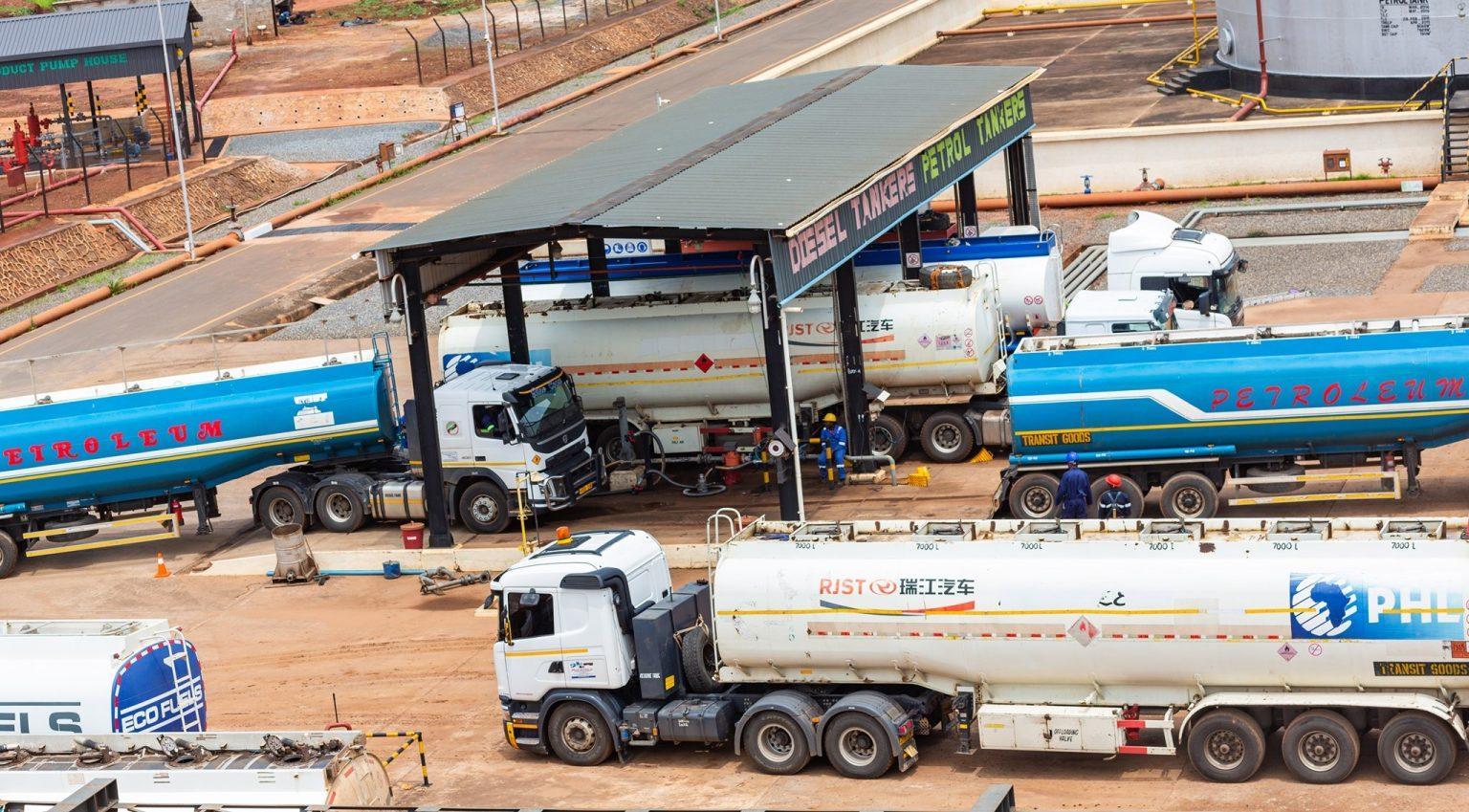
Africa-Press – Malawi. Malawi’s fuel lifeline is set to rest largely in the hands of the National Oil Company of Malawi (Nocma) next year, as the State-owned importer plans to bring in about 412,000 metric tonnes of fuel in the 2026/27 financial year—roughly 60 percent of national consumption.
The move comes against a backdrop of persistent fuel shortages, long queues at filling stations and an economy battered by acute foreign exchange scarcity.
On average, Malawi consumes about one million litres of petrol and one million litres of diesel every day, translating to 60 million litres per month and 720 million litres annually. Nocma’s planned imports therefore represent a decisive intervention in stabilising supply in a market that has struggled for nearly four years.
In notices inviting suppliers published last week, Nocma said it is seeking bids to deliver fuel through Beira and Nacala ports in Mozambique and Dar es Salaam Port in Tanzania, signalling a multi-route strategy aimed at reducing supply disruptions.
Nocma spokesperson Raymond Likambale said existing suppliers will continue delivering fuel until their contracted volumes are exhausted, stressing that Nocma is not the sole player in the importation business.
“Be reminded that Nocma is one of several entities with fuel import licences,” Likambale said in a written response. “Import licences are issued by Mera to applicants who have satisfied a specific criteria.”
However, documents seen reveal the depth of Malawi’s foreign exchange crisis. The tender notes that bidders must propose innovative financing arrangements, including open credit facilities and willingness to be paid in alternative currencies such as the euro, South African rand or British pound.
The private sector will also retain a stake in fuel imports. The Petroleum Importers Limited (PIL)—a consortium of oil marketing companies—has issued its own tender for 176,300 metric tonnes of fuel for the same financial year. PIL general manager Martin Msimuko confirmed last week that private importers will take up their share of contracts.
At the same time, Nocma says it has begun rebuilding the country’s strategic fuel reserves, which were officially declared empty last year.
“Fuel importation is a continuous process. As some tankers are offloading, others are in transit,” Likambale said. “We have accumulated significant volumes, especially of petrol. We should expect a similar trend for diesel.”
The announcement has raised cautious optimism among consumers who have borne the brunt of repeated fuel crises. Consumers Association of Malawi (Cama) executive director John Kapito said Malawians have “suffered from fuel queues” in recent months and expressed hope that the new import plans will ease the situation.
The urgency is underscored by remarks made in November, when Nocma chief executive officer Clement Kanyama disclosed that Malawi’s fuel reserves had been empty since November 2024—a stark indicator of the country’s vulnerability.
For years, fuel shortages have disrupted transport, industry and basic economic activity, largely due to dwindling foreign exchange reserves. Whether Nocma’s ambitious import plan will finally bring stability now hinges on financing, timely deliveries and effective coordination across the sector.
For millions of Malawians, the real test will be simple: fewer queues, reliable supply, and fuel available when it is needed most.
For More News And Analysis About Malawi Follow Africa-Press