Africa-Press – Malawi. Recently Malawi has registered a distressing surge in rape cases involving pastors and self-proclaimed prophets. These individuals, who are supposed to be spiritual leaders and pillars of morality, have instead become perpetrators of heinous crimes.
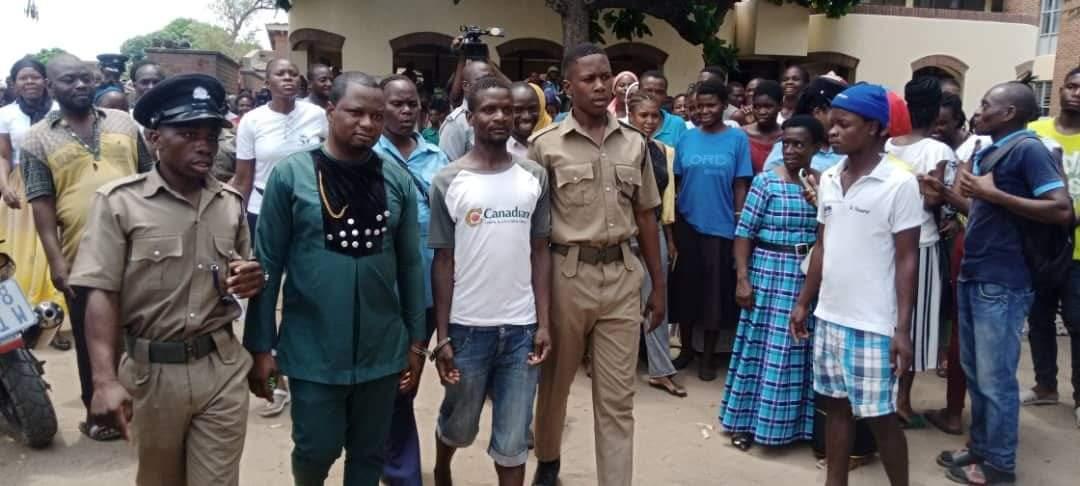
This alarming trend not only shatters the trust placed in religious institutions but also highlights the urgent need for stricter regulations and accountability within the religious community. The court has just convicted a pastor of incest and is currently waiting for a sentence.
The Role of Pastors and Prophets
Pastors and prophets hold significant influence over their congregations, often regarded as trusted figures who guide and counsel their followers. They are expected to uphold moral values, provide spiritual guidance, and promote a safe and nurturing environment for their congregants. However, the recent rise in rape cases involving these individuals has exposed a dark underbelly within the religious community.
Factors Contributing to the Increase
Several factors contribute to the increase in rape cases involving pastors and self-proclaimed prophets in Malawi. Firstly, the lack of proper regulation and oversight within religious institutions allows individuals with malicious intent to exploit their positions of power. This absence of accountability creates an environment where perpetrators can operate with impunity, shielded by the trust and reverence bestowed upon them.
Secondly, the deeply ingrained patriarchal nature of Malawian society perpetuates a culture of silence and victim-blaming. Victims often face immense social pressure to remain silent, fearing stigmatization and ostracization. This culture of silence further emboldens perpetrators, allowing them to continue their predatory behavior unchecked.
The Impact on Victims and Society
The consequences of these heinous acts extend far beyond the immediate victims. Survivors of rape often suffer from severe psychological trauma, leading to long-term emotional distress, depression, and anxiety. Moreover, the erosion of trust in religious institutions has far-reaching implications for society as a whole. Congregants who once sought solace and guidance from their spiritual leaders are left disillusioned and betrayed, leading to a breakdown in faith and community cohesion.
The Need for Stiffer Regulations
To combat this alarming rise in rape cases involving pastors and self-proclaimed prophets, stricter regulations and oversight mechanisms must be implemented within religious institutions.
The government, in collaboration with religious leaders, must establish clear guidelines and codes of conduct that hold pastors and prophets accountable for their actions. Regular audits and inspections should be conducted to ensure compliance, and any violations should be met with severe consequences.
Additionally, it is crucial to provide comprehensive training and education to religious leaders on issues of consent, gender equality, and the importance of creating safe spaces within their congregations. By equipping pastors and prophets with the necessary knowledge and tools, we can foster a culture of respect and empathy, dismantling the power dynamics that enable abuse.
Encouraging Victims to Speak Out
Breaking the culture of silence surrounding rape cases is essential to ensure justice for survivors and prevent further victimization. It is crucial to establish safe reporting mechanisms within religious institutions, where victims can come forward without fear of retribution.
Support networks and counseling services should be readily available to survivors, providing them with the necessary emotional and legal assistance. Furthermore, society as a whole must work towards eliminating victim-blaming and stigmatization. By fostering an environment that supports and believes in survivors, we can empower them to speak out against their perpetrators, ensuring that justice is served.
Conclusion
The alarming increase in rape cases involving pastors and self-proclaimed prophets in Malawi is a grave concern that demands immediate attention. Stricter regulations, accountability, and education within religious institutions are crucial to prevent further victimization and restore faith in these institutions.
By breaking the culture of silence and supporting survivors, we can work towards a society where no one is above the law, regardless of their position or title.
For More News And Analysis About Malawi Follow Africa-Press