Africa-Press – Malawi. The Central Region of Malawi, known for its vibrant culture and rich history, has long been considered a stronghold for the Malawi Congress Party (MCP).
However, the recent election of President Lazarus Chakwera, a native of the region, has sparked a surprising wave of discontent among the Chewa people.
This article delves into the reasons behind this rejection and explores the growing desire for the return of the Democratic Progressive Party (DPP) in the region.
Historical Background
The Central Region, comprising districts such as Lilongwe, Dedza, and Ntcheu, has traditionally been a political battleground between the MCP and the DPP. The MCP, led by President Chakwera, has enjoyed significant support in this region due to its historical ties to the Chewa people.
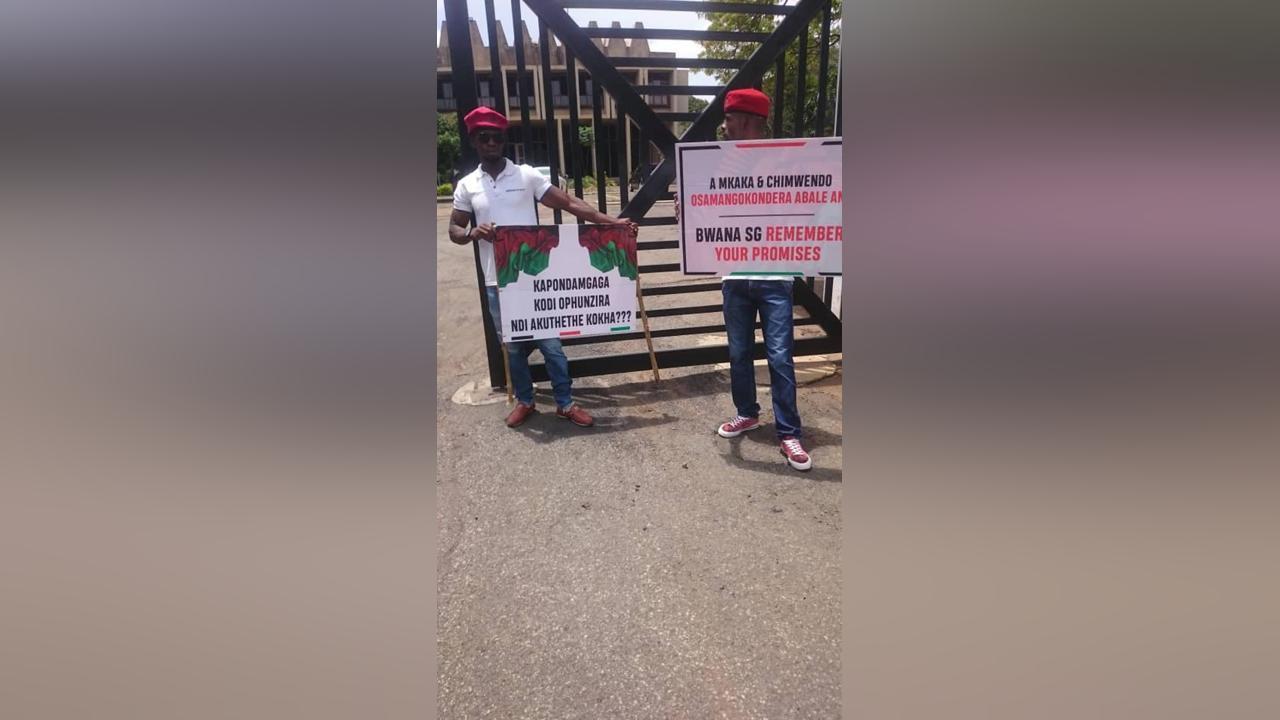
However, recent events have led to a shift in sentiment, with many Chewa individuals expressing their dissatisfaction with the current administration.
Discontent with President Chakwera
One of the primary reasons for the Chewa people’s rejection of President Chakwera stems from their high expectations for change. During his campaign, Chakwera promised to tackle corruption, improve the economy, and provide better healthcare and education.
However, since assuming office, progress in these areas has been slow, leading to disillusionment among the Chewa population. Furthermore, the Central Region has witnessed a lack of development projects and infrastructure improvements under Chakwera’s leadership.
Many Chewa individuals feel that their region has been neglected, with resources and attention being diverted to other parts of the country. This perceived neglect has fueled resentment and a desire for change.
The Role of the DPP
The Democratic Progressive Party, led by former President Peter Mutharika, has a strong presence in the Central Region. Mutharika, who hails from the region, implemented various development projects during his tenure, which resonated with the Chewa people. These projects included the construction of roads, schools, and hospitals, which significantly improved the lives of the local population.
The DPP’s track record in the region has created a sense of nostalgia among the Chewa people, who yearn for the return of a party that they believe can bring tangible development and progress.
Many Chewa individuals argue that the DPP’s focus on infrastructure development directly impacted their lives, providing them with better access to essential services and opportunities for economic growth.
The Impact of Tribal Politics
Tribal politics has played a significant role in Malawi’s political landscape, and the Central Region is no exception. The Chewa people, who make up a significant portion of the region’s population, have historically aligned themselves with the MCP due to their shared cultural heritage.
However, the rejection of President Chakwera by the Chewa people highlights a shift in tribal loyalties. This shift can be attributed to a growing disillusionment with the MCP’s inability to deliver on its promises, coupled with the DPP’s successful track record in the region. The Chewa people’s rejection of Chakwera signifies a departure from tribal politics and a focus on tangible results and development.
Conclusion
The Central Region of Malawi, once considered a stronghold for the MCP, is witnessing a surprising rejection of President Chakwera by the Chewa people. The dissatisfaction stems from unmet expectations and a perceived neglect of the region under Chakwera’s leadership.
The desire for the return of the DPP, with its proven track record of development projects, highlights a shift in tribal loyalties and a demand for tangible progress.
As the political landscape continues to evolve, it remains to be seen how these sentiments will shape the future of the Central Region and Malawi as a whole.
For More News And Analysis About Malawi Follow Africa-Press